Kwanda

Health

Care Circle Clinic, Itire-Surulere, Lagos

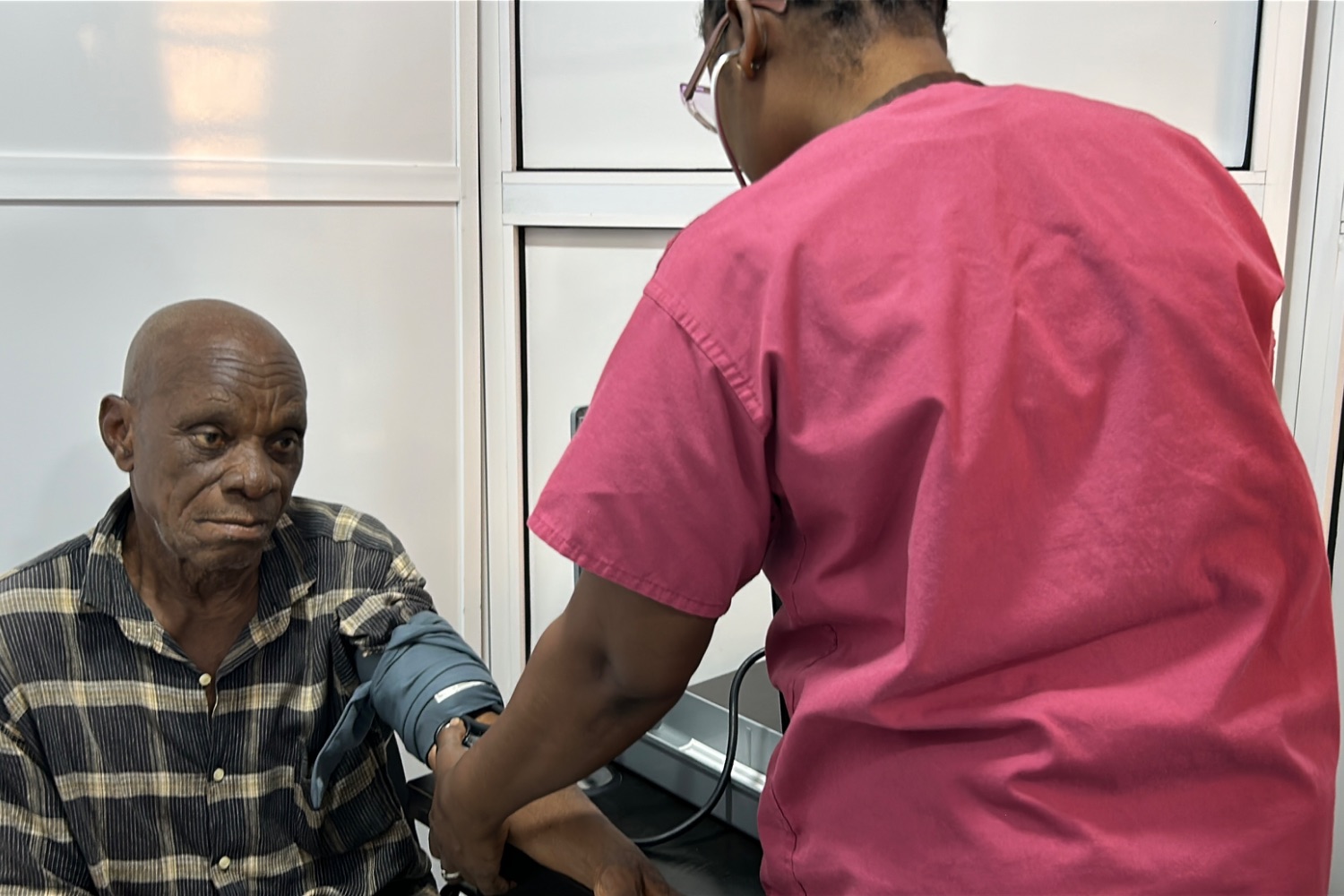
Elderly man having his blood pressure measured by a healthcare worker in pink scrubs in a medical clinic. In Progress

Fund capital used

$11,090

Itire-Surulere is a dense, low-income part of Lagos where a trip to a clinic has usually meant paying up front. Only one in five of Nigeria's government primary care centres is operational, and for families living on very little, a consultation fee is enough to turn a treatable illness into one that is left alone.

Care Circle is a free primary healthcare clinic built in a building the community gave. Two registered nurses run it, with volunteer doctors joining as needed. There is no fee, no paperwork barrier and no means test. Anyone in Itire-Surulere can walk in and be seen.

Local partner:
AHA Initiative

The asset

Care Circle is a permanent, fitted-out primary healthcare clinic in Itire-Surulere, Lagos. The community donated the building, and Kwanda's funding paid to bring it up to Lagos State primary healthcare standards, equip it, stock it and staff it. It opened in October 2025 and served over 200 people in its first week.

AHA Initiative owns the clinic and the fit-out, in a building donated by the local community, and a community health committee formed locally holds it to account. The fit-out and the medical equipment are built to last about 10 years.

It costs little to keep open. There is no rent or utilities to pay on the donated premises, partner pharmacies donate medication, and a plastic waste recycling scheme run with the community brings in cash. Nurse salaries and medical supplies are currently grant funded.

What it produces

Free primary healthcare, every weekday, for anyone in Itire-Surulere.

In its first ten months, to 31 July 2026, Care Circle treated 3,053 people. Consultations, treatment and medication for infections, malaria and chronic conditions, with follow-up from nurses patients see again. Mosquito nets, menstrual products and health information go out alongside treatment.

The clinic topped 300 patients for four consecutive months through to mid 2026. First-time visitors regularly make up more than half of a month's visits, which is the clearest signal available that word is still travelling through the community.

Why this asset matters here

Around 60% of Nigerians are multidimensionally poor and over 40% live on less than $1.90 a day. Healthcare is the first cost a stretched household drops, and malaria alone still kills more than 200,000 people a year in a country where the cure has existed since 1932.

Itire-Surulere had no free primary care option. Care Circle is the second clinic AHA Initiative has opened with Kwanda, built on what the first one proved: put a clinic where people already are, remove the fee, and they come, then they come back.

How it keeps going

The building came from the community, so no funding goes on rent or utilities. The one-off cost was the renovation, roughly $7,000 to $8,000 to meet Lagos State primary healthcare standards, which has already been spent.

Ongoing, the clinic runs on roughly $469 a month covering two nurses' salaries and medical stock. Partner pharmacies donate medications and supplies periodically, and a plastic waste recycling scheme run with the community contributes to running costs.

A community health committee was formed in Itire-Surulere when the clinic opened, so decisions about how it runs sit with people who use it rather than only with the organisation that built it.

The partner who runs it

Care Circle is run by the AHA Initiative, founded by Tolani Yesufu. Tolani returned to Nigeria in 2022 after studying at Harvard Medical School, Columbia Business School and Cornell University, concerned by the scale of health inequality she had watched from a distance, where people were dying of conditions that were straightforward to treat.

Her approach is to work with communities to secure disused buildings, from churches to shopfronts, and turn them into low-cost clinics staffed by local nurses and volunteer doctors. Care Circle is the second, opened after the first clinic in Oworoshoki had run for nearly a year.

Updates

From the field

418 people came to Care Circle in July, our busiest month yet

Posted by Tolani Yesufu

Posted 1 Sept 2026

In July, 418 people received free consultations, diagnosis and treatment at Care Circle in Itire-Surulere, Lagos, the clinic’s busiest month since it opened and enough to take its total past 3,000. Care Circle has now cared for 3,053 people, and between the two Kwanda-funded clinics that makes 12,115 in under two years.

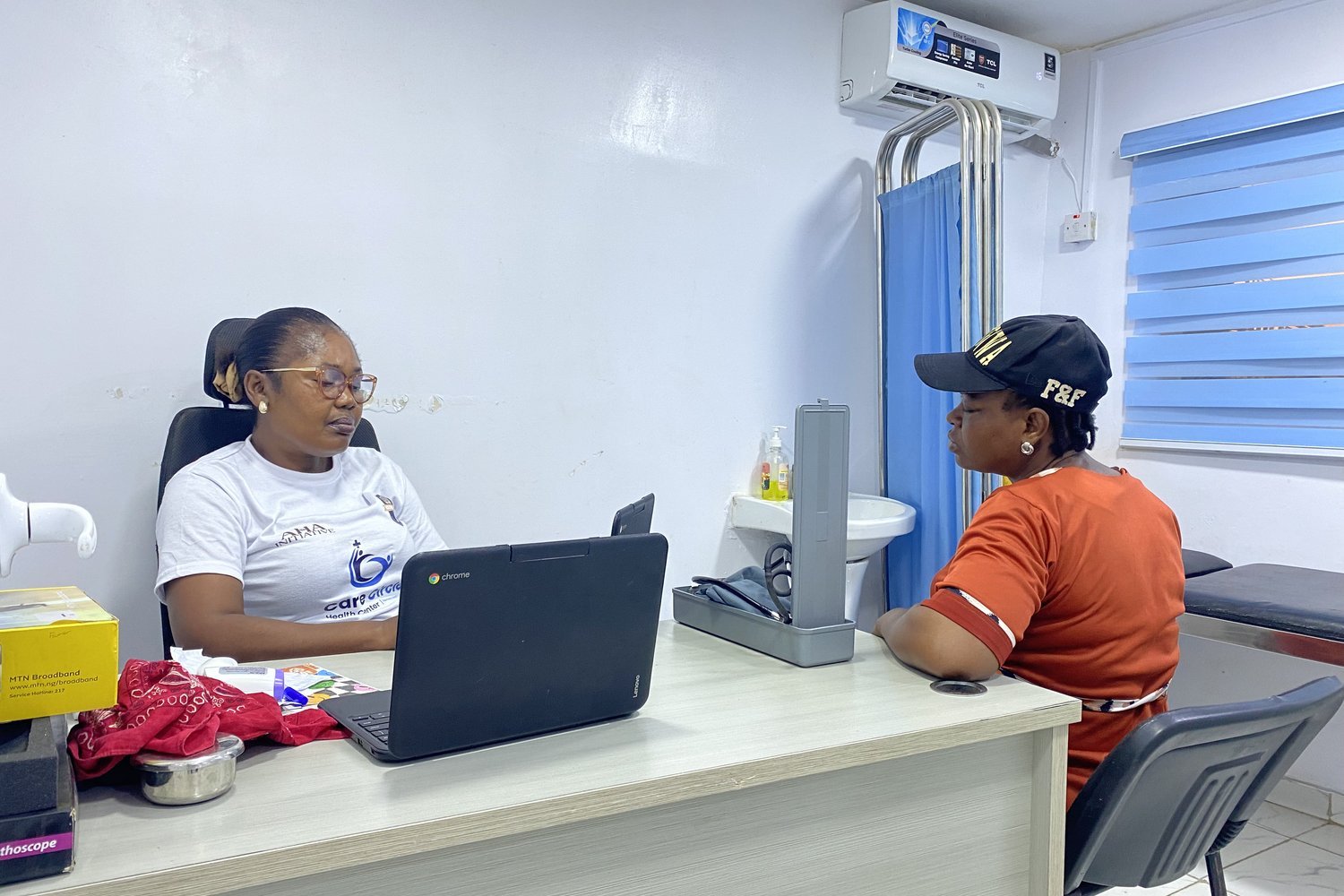
A healthcare worker in a white T-shirt consulting with a patient across a desk with a Lenovo Chromebook in a medical centre. 136 of July’s patients were finding us for the first time, a third of all visits, and we saw people from Itire, Ikotun, Kilo, Aguda and Ilasamaja as word about the clinic keeps spreading across the area. 71% were women, who usually manage healthcare for the whole family. Malaria was again the most common condition we treated at 34% of visits, with unspecified malaria adding another 14%. The average patient lives on $5.10 (about £4) per person each month, so a household of four gets by on ₦29,317 (about £16), well below the global poverty line of $2.15 a day. Nurses Benedeth and Sylvia ran the clinic right through the month and we are proud of them.

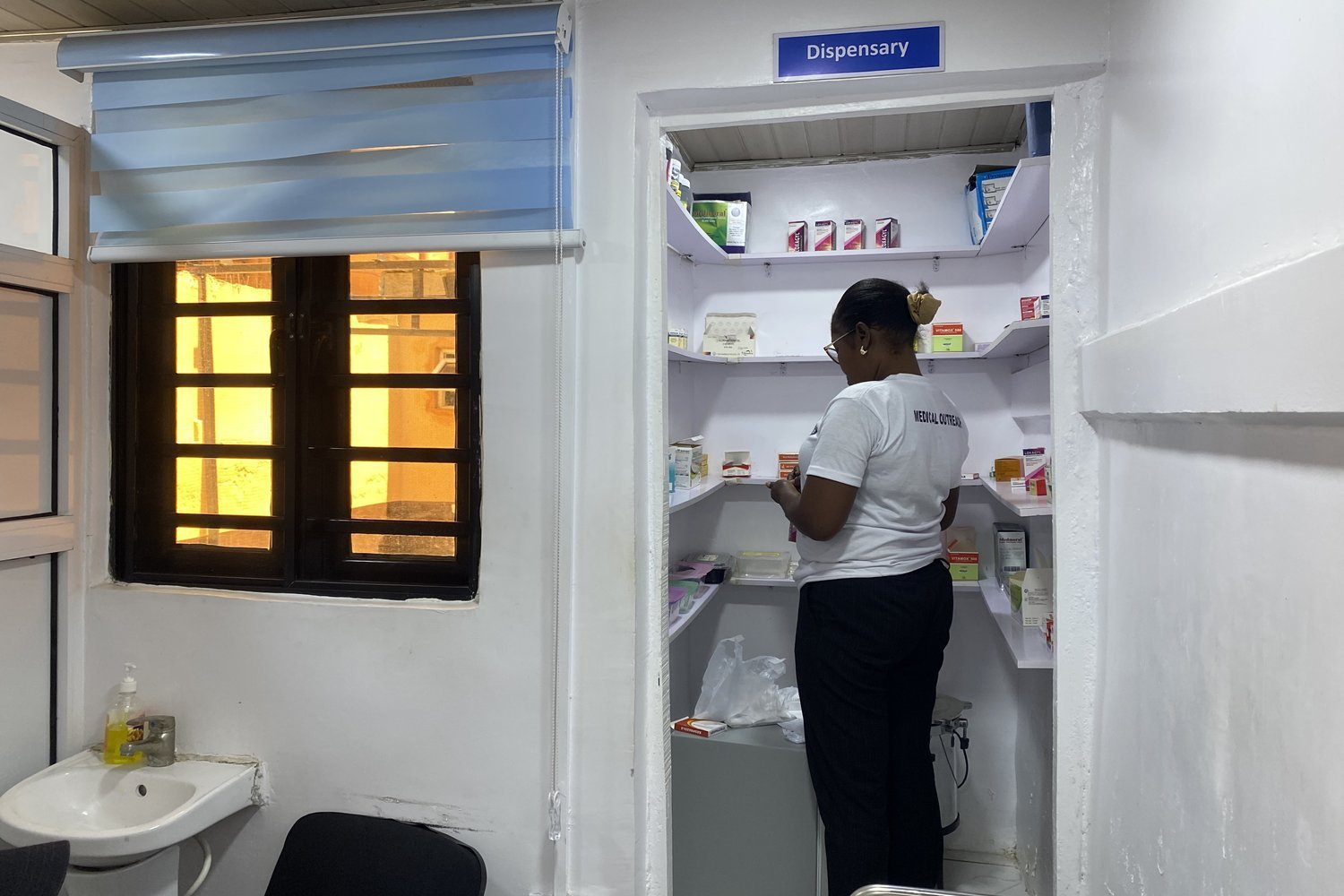
A healthcare worker in a white uniform retrieving medicines from shelves inside a small dispensary room. We spent $491 (about £390) on medications, medical supplies, clinic operations and materials, helped along by our community plastic-waste recycling programme, which turned 6lbs of neighbourhood waste into cash for the clinic and cut down nearby mosquito breeding sites.

Nothing went wrong this month, and with a third of visits still coming from people who have never been before, we should pass 3,500 people cared for at Care Circle within the next two months.

Attachments:

348 people came to Care Circle in June, our fifth month above 300

Posted by Tolani Yesufu

Posted 30 Jul 2026

In June, 348 people received free consultations, diagnosis and treatment at Care Circle in Itire-Surulere, Lagos, a fifth month running above our 300 target and taking the clinic's total since launch to 2,635 patients. Across both Kwanda-funded clinics, that makes 11,195 people cared for between them.

133 of June's patients were finding us for the first time, 38% of all visits, and word about Care Circle keeps spreading further across the area. We saw patients from Itire and other nearby communities, and 64% were women, who usually manage healthcare for the whole family. Malaria was again the most common condition we treated at 33% of visits, with unspecified malaria and hypertensive urgency (dangerously high blood pressure) each adding another 6%. The average patient lives on $5.08 (about £4) per person each month, so a household of four gets by on ₦28,808 (about £16), well below the global poverty line of $2.15 a day. Nurses Benedeth and Sylvia ran the clinic right through the month.

We spent $469 (about £370) on medications, medical supplies and staff salaries, helped along by our community plastic-waste recycling programme, which turned 5lbs of neighbourhood waste into cash for clinic operations and cut down nearby mosquito breeding sites in the process.

Mrs Olajumoke brings her children to Care Circle and told us, "They treat us without collecting anything." That's the whole point of the clinic: free, dependable care for families who have nowhere else to turn.

Nothing went wrong this month, and with first-time visits still climbing we're on our way to 3,000 people cared for since launch.

Attachments:

We've now cared for more than 2,000 people at Care Circle

Posted by Tolani Yesufu

Posted 30 Jun 2026

In May, 303 community members received free healthcare at Care Circle in Itire-Surulere, Lagos, the fourth month running above 300 and taking the clinic's total since launch to 2,287 patients. Across both Kwanda-funded clinics, we've now passed 10,000 people in total.

More than half of May's visits (52%) came from first-time patients, with 159 people finding the clinic for the first time, a sign that word about Care Circle keeps spreading further across Lagos. We treated patients from four communities, including Itire, Ikorodu and Aguda, and 62% were women, who usually manage healthcare for the whole family. Most were adults between 36 and 50, though we saw the full range of ages from young children to elderly grandparents. The average patient lives on $4.90 (about £4) per person each month while supporting a household of four, well below the global poverty line. Malaria was the most common condition (27%, with another 15% unspecified), followed by hypertension (13%). Nurses Benedeth and Sylvia ran the clinic throughout the month.

We spent $402 (about £320) on medications, supplies and staff salaries, partly supported by our community plastic-waste recycling programme, which turns neighbourhood waste into cash for clinic operations and cuts down nearby mosquito breeding sites in the process.

Mrs Mary brought her children along to the clinic this month and shared what Care Circle means to her family on video, telling us, "They are so good, taking care of me." A mother trusting us enough to bring her own children is exactly the relationship we're building, one family at a time.

With first-time visits still climbing, we expect to keep this momentum going into June.

Attachments:

We treated 310 patients at Care Circle in April, closing in on 2,000 total

Posted by Tolani Yesufu

Posted 28 May 2026

In April, 310 community members received free healthcare at Care Circle in Itire-Surulere, Lagos, the second month running above 300 and bringing the clinic's total since launch to 1,984 patients, almost 2,000 in roughly eight months.

What stood out was loyalty. Returning patients jumped to 64%, up from 45% the month before, while 112 people (36%) came for the first time. We treated patients from four communities (Itire, Ijesha, Kilo and Lawanson), 84 of them children under 18, ranging from two baby girls to an 82-year-old grandmother. 68% were women, who usually manage healthcare for the whole family, and the average patient lives on $5.44 (about £4) per person each month, well below the poverty line. Malaria was the most common condition (37%), followed by upper respiratory infections (17%) and hypertension (15%). Nurses Benedeth and Sylvia ran the clinic all month, and patients rated their care 99% five stars.

We spent $435 (about £345) on medications, supplies and operations, partly offset by about $53 from the clinic's plastic-waste recycling programme, which also cuts down nearby mosquito breeding sites. Medication costs are creeping up, so we've opened bidding for lower-cost local suppliers. Demolitions in parts of Itire-Surulere continue, though we're hearing fewer reports now, and the clinic stayed open throughout.

Mrs Adeyemo came back for her third visit after a friend first told her about Care Circle, and shared her experience on video.

With repeat visits climbing, we expect to pass 2,000 patients next month.

Attachments:

We treated 304 patients at Care Circle in March, passing 1,600 total

Posted by Tolani Yesufu

Posted 1 May 2026

In March, 304 community members received free healthcare at Care Circle in Itire-Surulere, Lagos, bringing the clinic's total since launch to 1,674 patients. Of those, 167 (55%) were visiting for the first time, up from 41% in February, which means word about the clinic is still reaching new families.

Demolitions in parts of Itire-Surulere are still ongoing and have displaced some community members, but the clinic stayed fully open all month and crossed our 300-patient target. 70% of patients were women, and the average patient lives on $5.37 per person per month, well below the global poverty line. Malaria was the most common condition we treated (38% of visits), followed by upper respiratory infections (18%) and hypertension (14%). We spent about £321 (US$407) on medications and nurses' salaries, and the plastic waste recycling programme attached to the clinic also turned 4 pounds of neighbourhood waste into cash to support operations, while reducing mosquito breeding sites in the process.

Mrs Sandra came to Care Circle for the first time after a friend told her about it, and shared her experience on video.

With first-time visits still climbing, we expect Care Circle to keep growing through April as word about the clinic continues to reach new families.

Attachments:

Need help or have a question?