75 more girls at Mutendeu have Wings Poa kits, taking us to 955

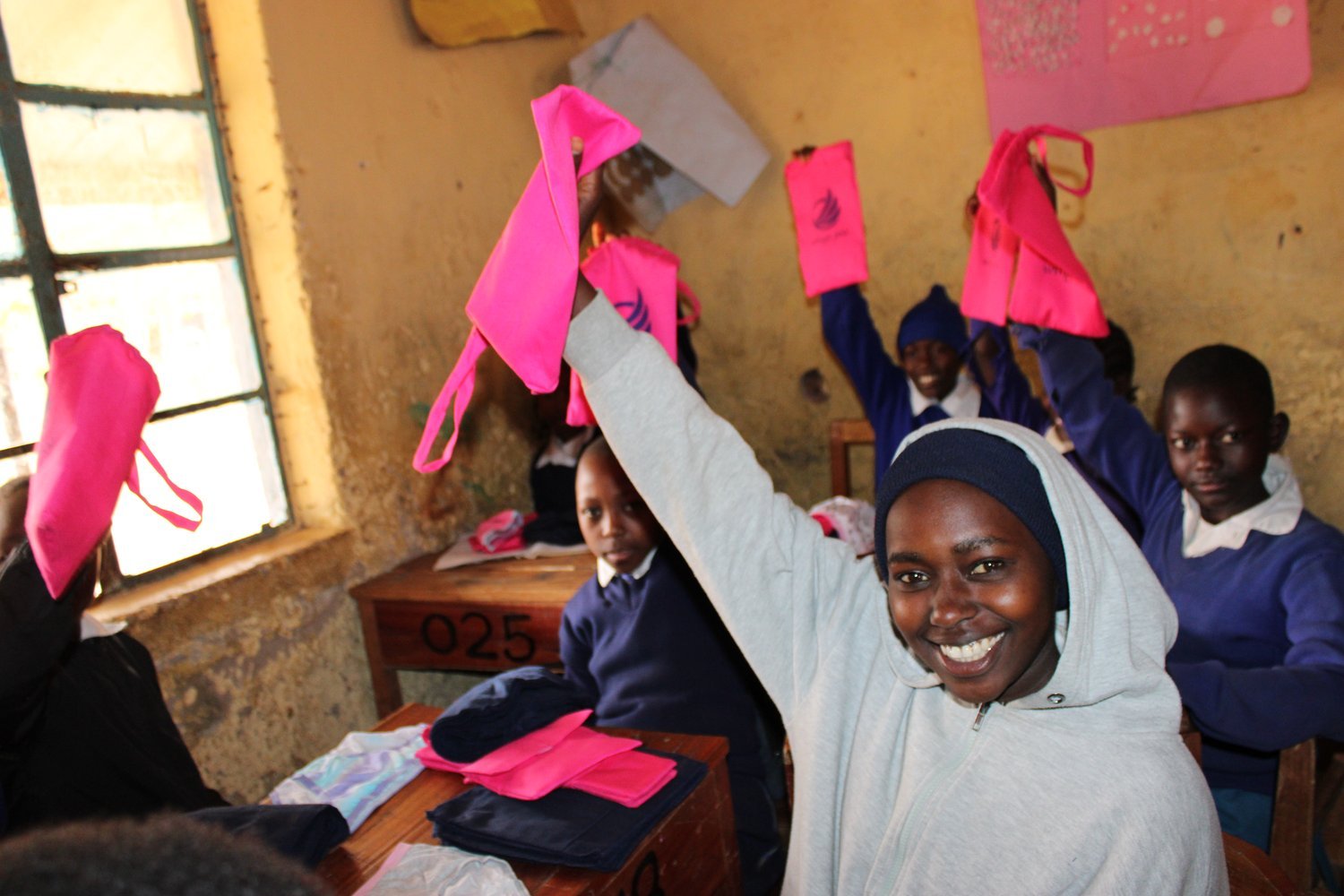
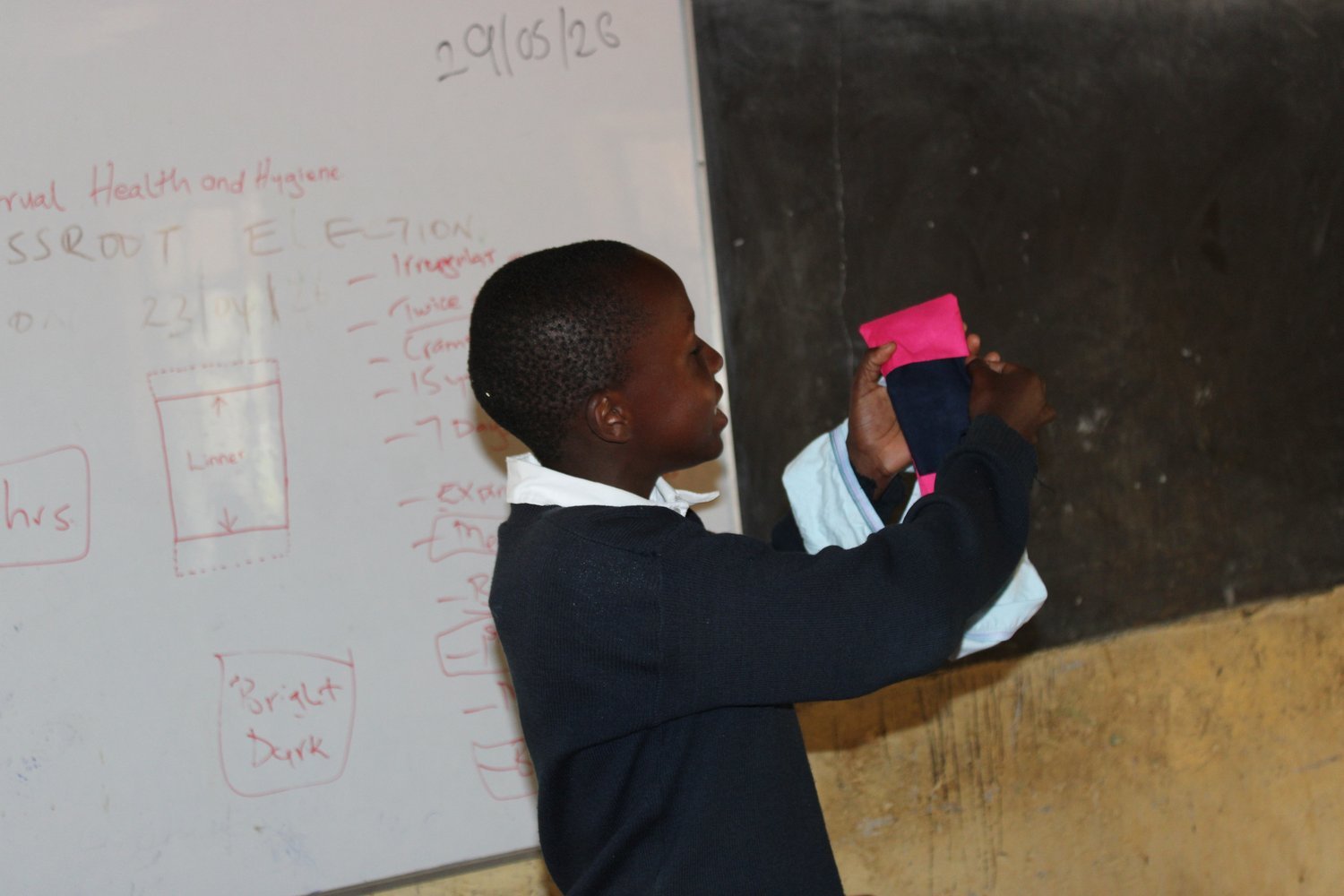
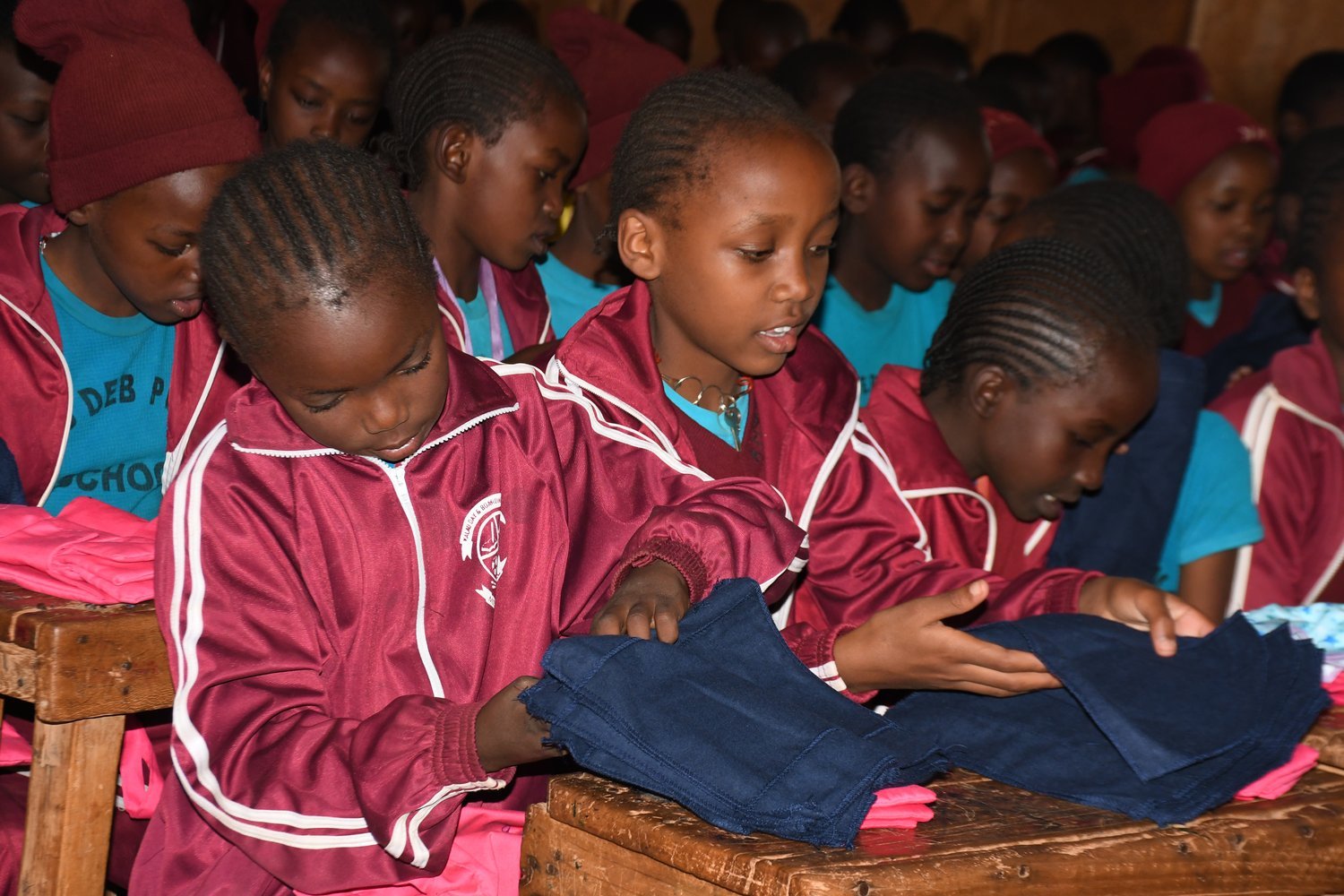
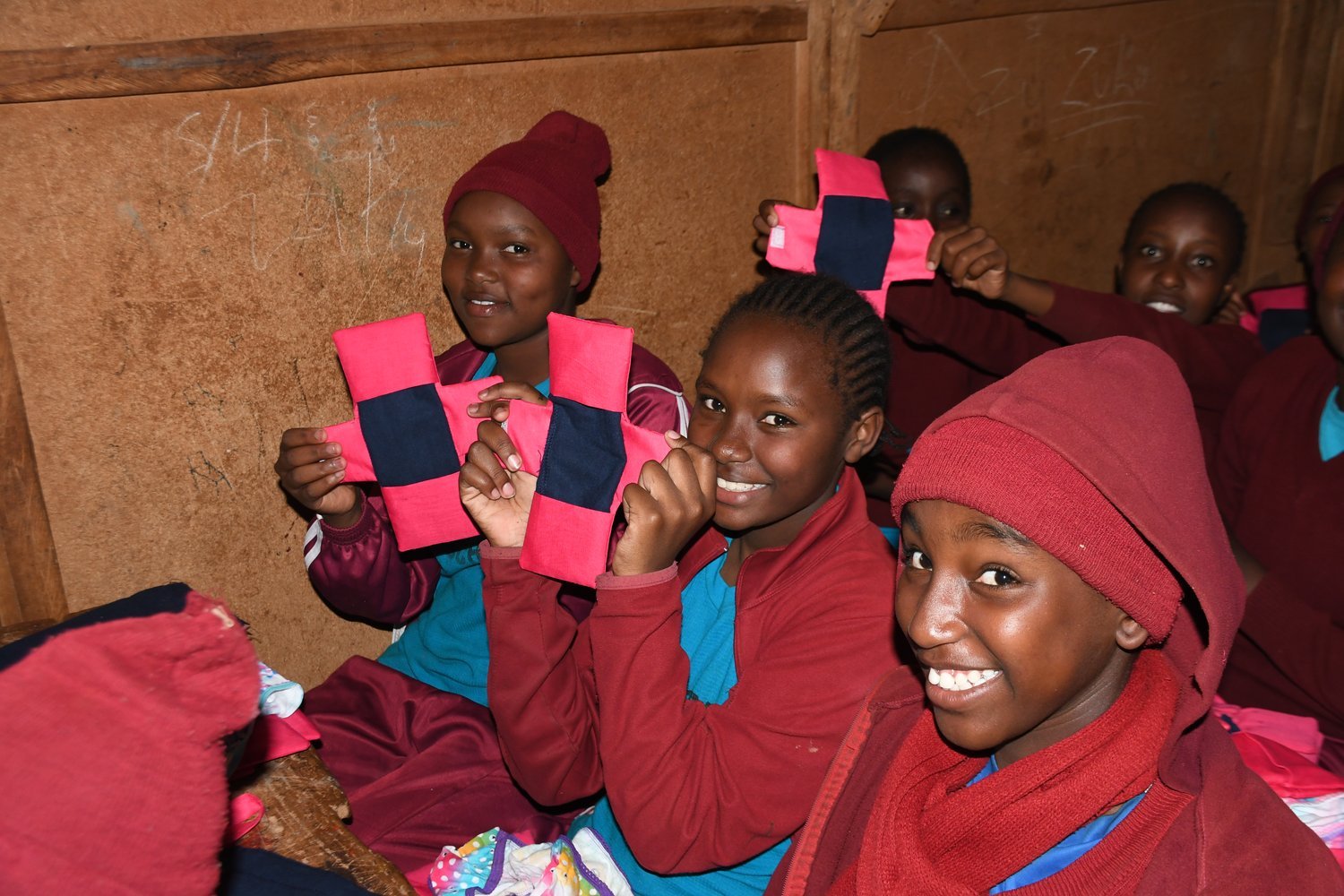
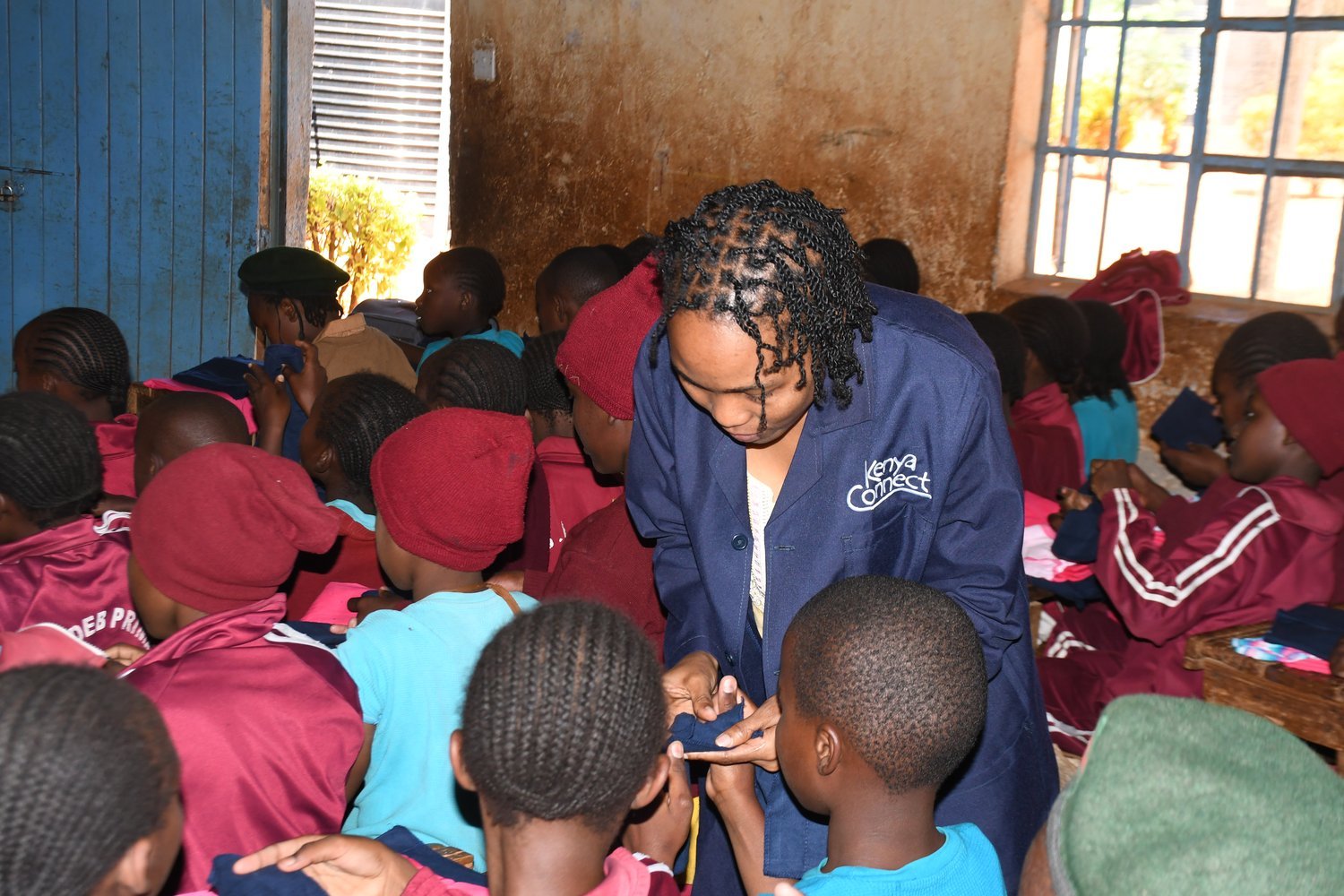
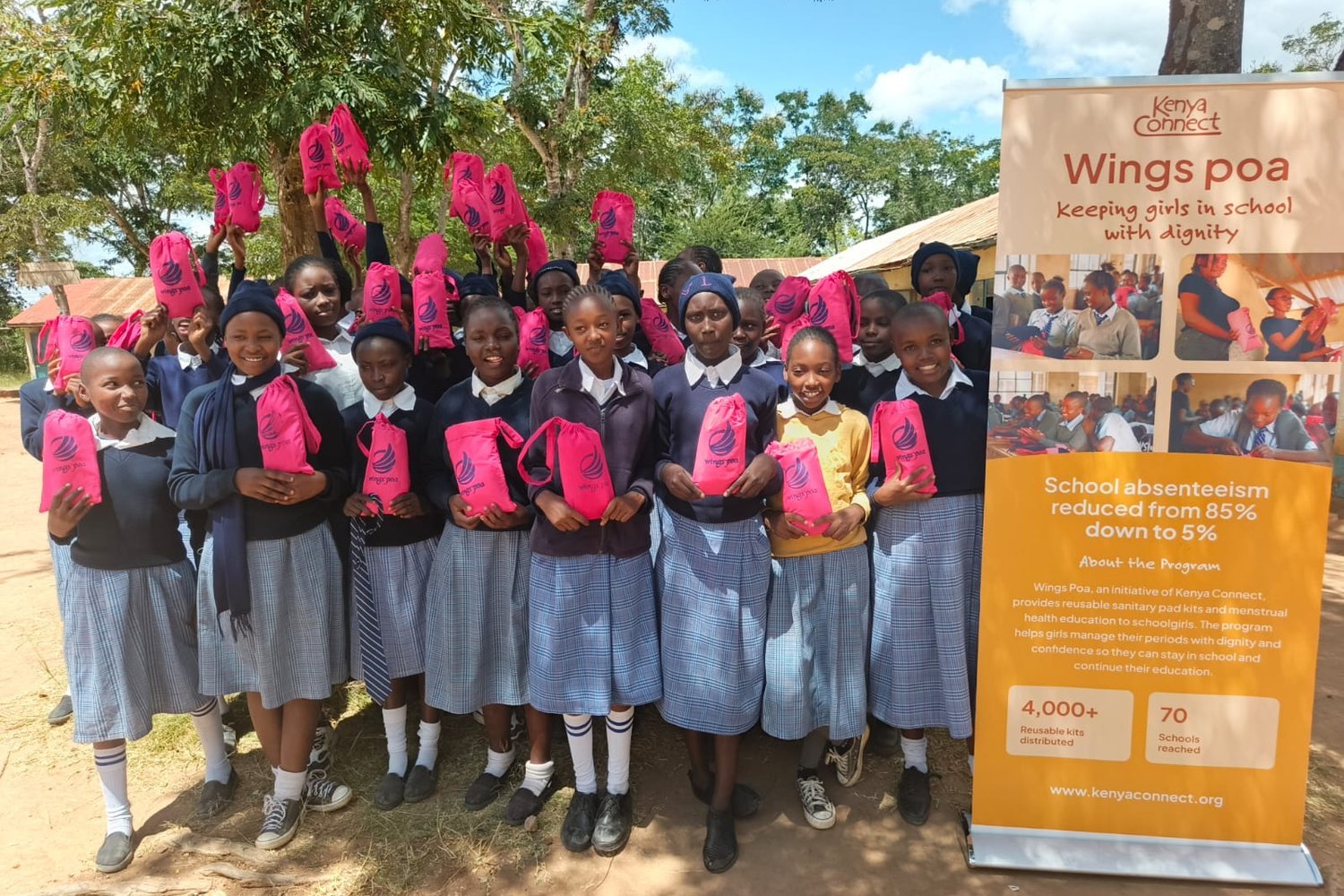
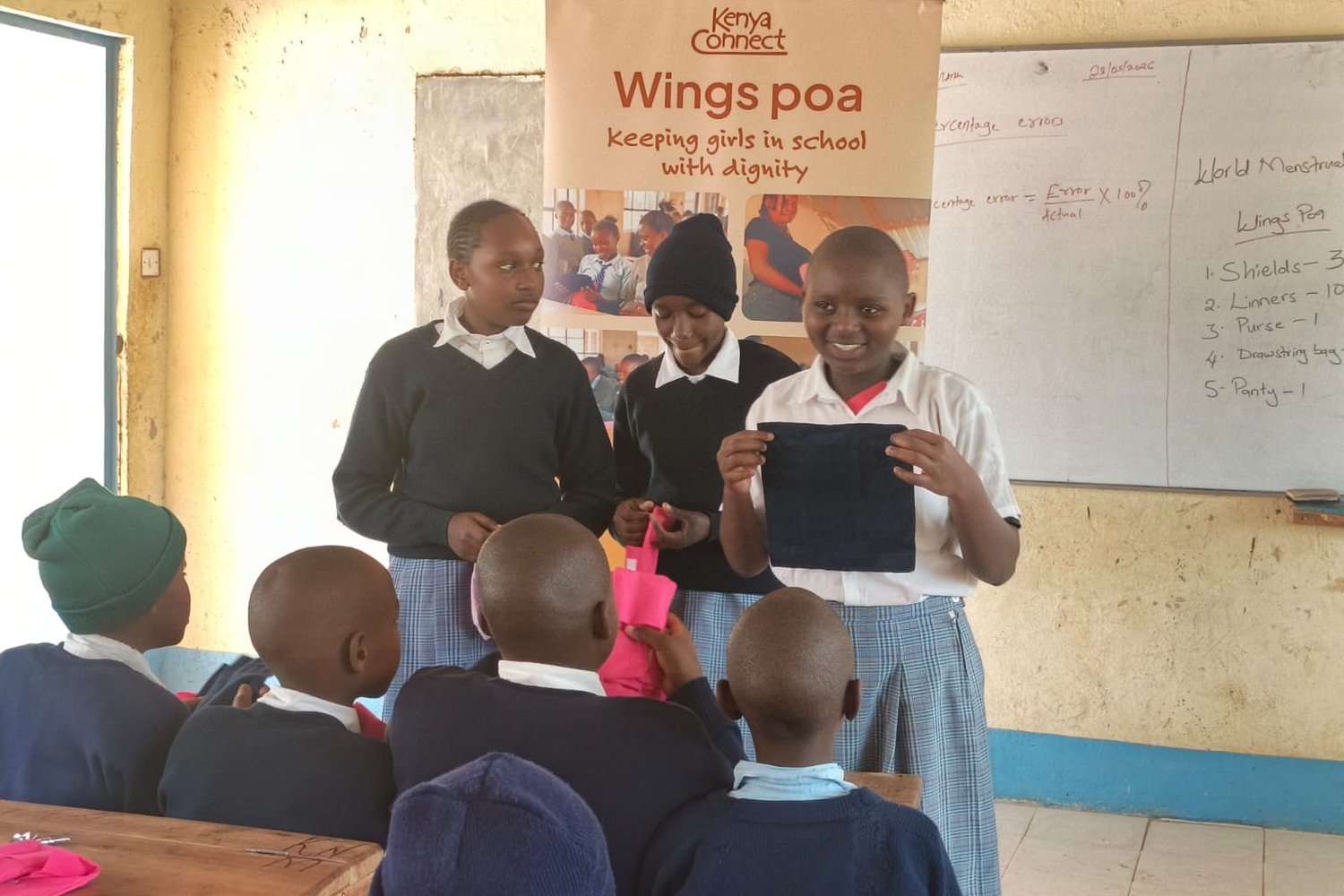
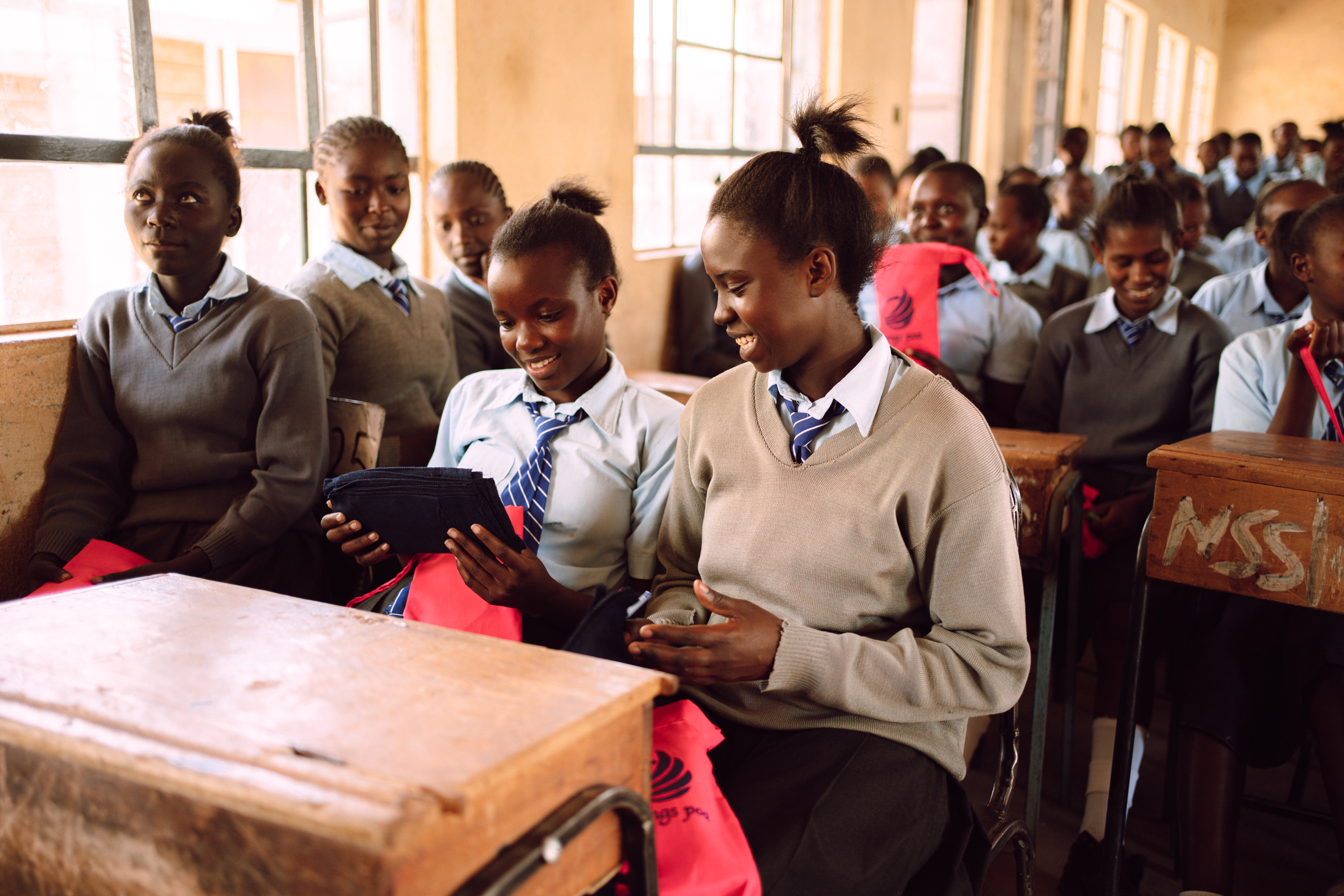
This month we ran menstrual health and hygiene training at Mutendeu Comprehensive School in rural Kenya and gave Wings Poa reusable sanitary pad kits to 75 girls. Beforehand we ran a pre-survey there to learn what the girls already knew about their periods and how they manage them, and we went back to Makila Comprehensive School for a post-survey to see what has changed since our visit.
That takes us to 955 girls holding a kit and 15 training sessions completed, with 1,277 girls reached through our menstrual health surveys across 20 schools.
The kits are sewn by 12 LitMoms, local women who make the Wings Poa. They have now finished the liners and drawstring bags and have cut the outer cotton fabric for the shields and purses, but those parts cannot be made until the delayed shipment of waterproof PUL fabric arrives. We spent Ksh 129,790 (about £750) this month: Ksh 111,290 to the LitMoms for production, Ksh 10,000 on staff time, Ksh 4,000 on transport for the surveys and distribution, Ksh 2,000 on stationery and printing, Ksh 2,000 on monitoring and Ksh 500 on phone calls.
One girl at Mutendeu told us she had not known much about tracking her cycle, and that getting her period at school could be uncomfortable when she was not prepared. "I am happy because I now know how to count and track my periods. The Wings Poa will also help me when I am in school and I have my period." Once the PUL arrives, the LitMoms will move on to making the shields and purses.