Kwanda
Kwanda logo mark
A nurse in blue scrubs examines a thermometer reading with a young child seated beside her at a medical clinic table.
In Progress
Fund capital used

£12,980

In Oworoshoki, a densely populated waterfront community in Lagos, getting seen by a nurse has long meant finding money first. Only one in five government primary care centres in Nigeria is operational, and malaria, which has had a known cure since 1932, still kills more than 200,000 people a year. When care costs money a family does not have, illnesses that are cheap to treat early are left until they are not.

Safe City is a free primary healthcare clinic in the middle of that community. Two registered nurses run it Monday to Friday, with volunteer doctors joining for consultations and oversight. Anyone can walk in. Consultations, medication and follow-up care are free, and nobody is asked what they can pay.

Local partner:
AHA Initiative
  • Region
    🇳🇬 Nigeria
  • Sector
    Health
  • Beneficiaries
    8,207
  • Stage
    Operating
The Story

The asset

Safe City is a permanent, fitted-out primary healthcare clinic in Oworoshoki, Lagos. The building was donated by the local community, and Kwanda's funding turned it into a working clinic: renovated, equipped, stocked, and staffed by two salaried nurses. It opened in December 2024 and has not closed since.

  • Asset: A fitted-out free primary healthcare clinic, with medical equipment, furnishings and a solar backup power unit.

  • Location: Oworoshoki, Lagos, Nigeria.

  • Owned by: AHA Initiative, in a building donated by the local community, which also covers rent and utilities.

  • Expected lifespan: 10 years for the fit-out and medical equipment.

  • Sustains itself through: Donated premises with no rent or utilities to pay, medication donations from partner pharmacies, and a plastic waste recycling scheme run with the community. Nurse salaries and medical supplies are currently grant funded.

What it produces

Free primary healthcare, every weekday, for anyone who walks through the door.

Since opening, Safe City has treated 8,207 people. That is consultations, treatment and medication for infections, malaria and chronic conditions, plus follow-up care from a team patients come to know. The clinic also hands out mosquito nets, menstrual products and health information alongside treatment.

The number that matters most is not the total. It is that roughly two thirds of visits are people coming back. In June 2026, 69% of patients were women.

Why this asset matters here

Around 60% of Nigerians are multidimensionally poor and over 40% live on less than $1.90 a day. In that context healthcare is the first thing to go, and the choice between food and medicine is a real one that families make regularly.

Oworoshoki had no free option before Safe City. The clinic was placed where people already live rather than where a health system would draw it on a map, which is why a nurse is now a walk away rather than a bus fare and a lost day's income.

How it keeps going

The economics are deliberately lean. The community donated the building and covers rent and utilities, so none of the funding goes on premises. Partnerships with local pharmacies bring periodic donations of medications and supplies. A plastic waste recycling scheme lets community members exchange waste in a way that contributes to running costs.

What remains is roughly $470 a month for two nurses' salaries and medical stock, which Kwanda's funding covers. In February 2026 a solar power unit was installed, so outages no longer stop consultations or take down the electronic medical records.

The clinic has already proved it survives disruption. A staff change in early 2026 caused patient numbers to dip, the clinic stayed open throughout, and by April it had recorded its best month of the year at 398 patients.

The partner who runs it

Safe City is run by the AHA Initiative, founded by Tolani Yesufu. Tolani returned to Nigeria in 2022 after studying at Harvard Medical School, Columbia Business School and Cornell University, concerned by the scale of health inequality she had watched from a distance, where people were dying of conditions that were straightforward to treat.

She started by working with communities to secure disused buildings, from churches to shopfronts, and turning them into low-cost clinics staffed by local nurses and volunteer doctors. Safe City was the first. AHA Initiative now runs a second clinic in Itire-Surulere.

Technical stuff

The Details

  • Space, Rent & Utilities
    No cost
  • Renovation
    $7,500 approx
  • Nurse salary
    $250 / mo
  • Medical stock
    $200 / mo
  • Patients treated
    8,207
  • Nurses employed
    2
Updates

From the field

We've now treated over 8,000 people at the clinic

Posted by Tolani Yesufu

Posted 30 Jun 2026

In May, 312 community members received free healthcare at Safe City in Oworoshoki, Lagos, taking the clinic's total since launch past 8,000 to 8,207 patients. Across both Kwanda-funded clinics, we've now served more than 10,000 people in total, a milestone we passed this month.

Even as Safe City matures, 131 first-time patients (42% of visits) came through our doors, a sign that word is still getting out and new lives are still being reached at a long-standing clinic. The other 58% were returning patients, coming back to a team they trust. We served patients from Oworoshoki and Bariga, and 64% were women, most supporting families on around $11.60 (about £9) per person each month, still well below the poverty line and often without any other affordable option. Malaria was the most common condition (33%), followed by hypertension (19%) and upper respiratory illnesses (15%).

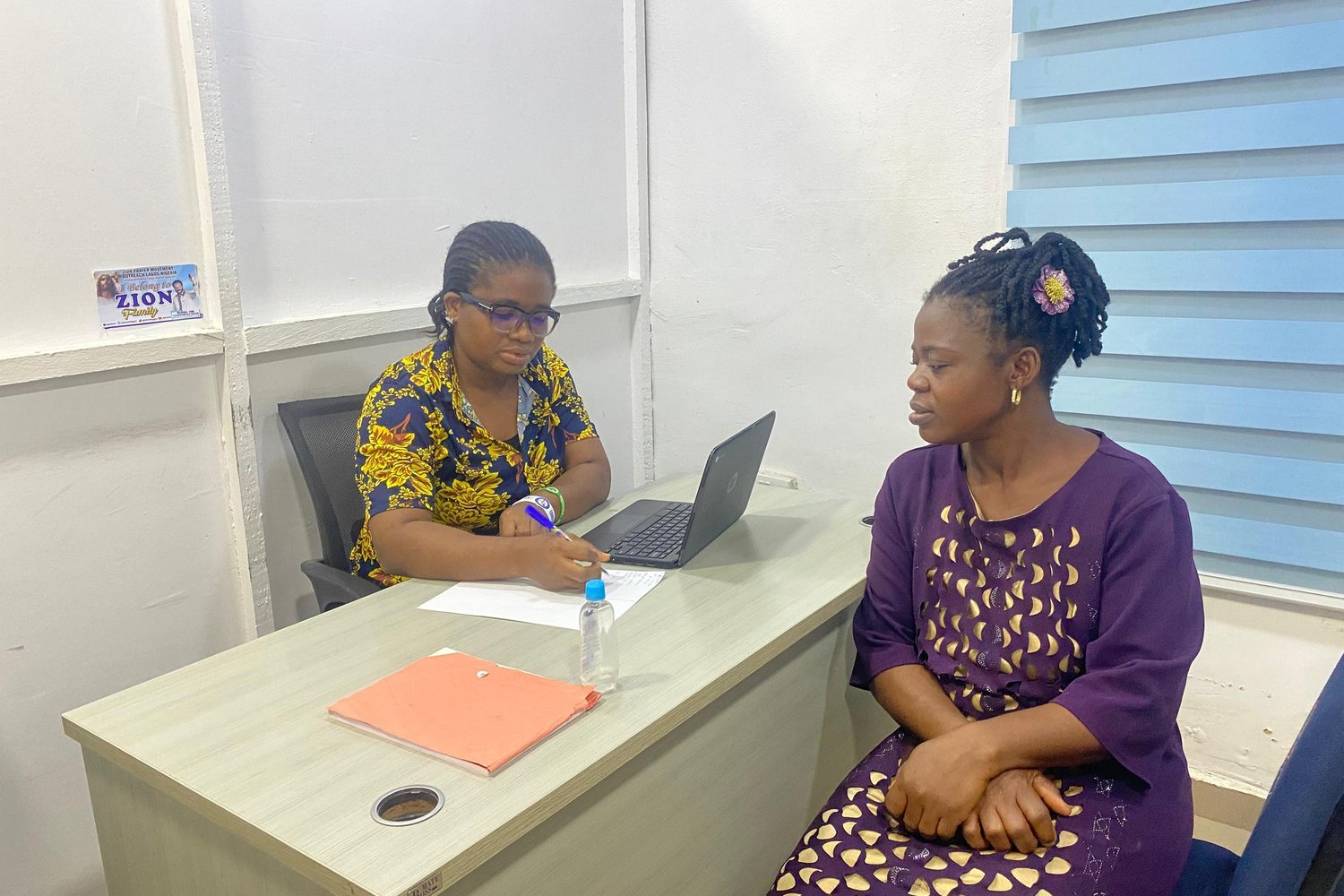
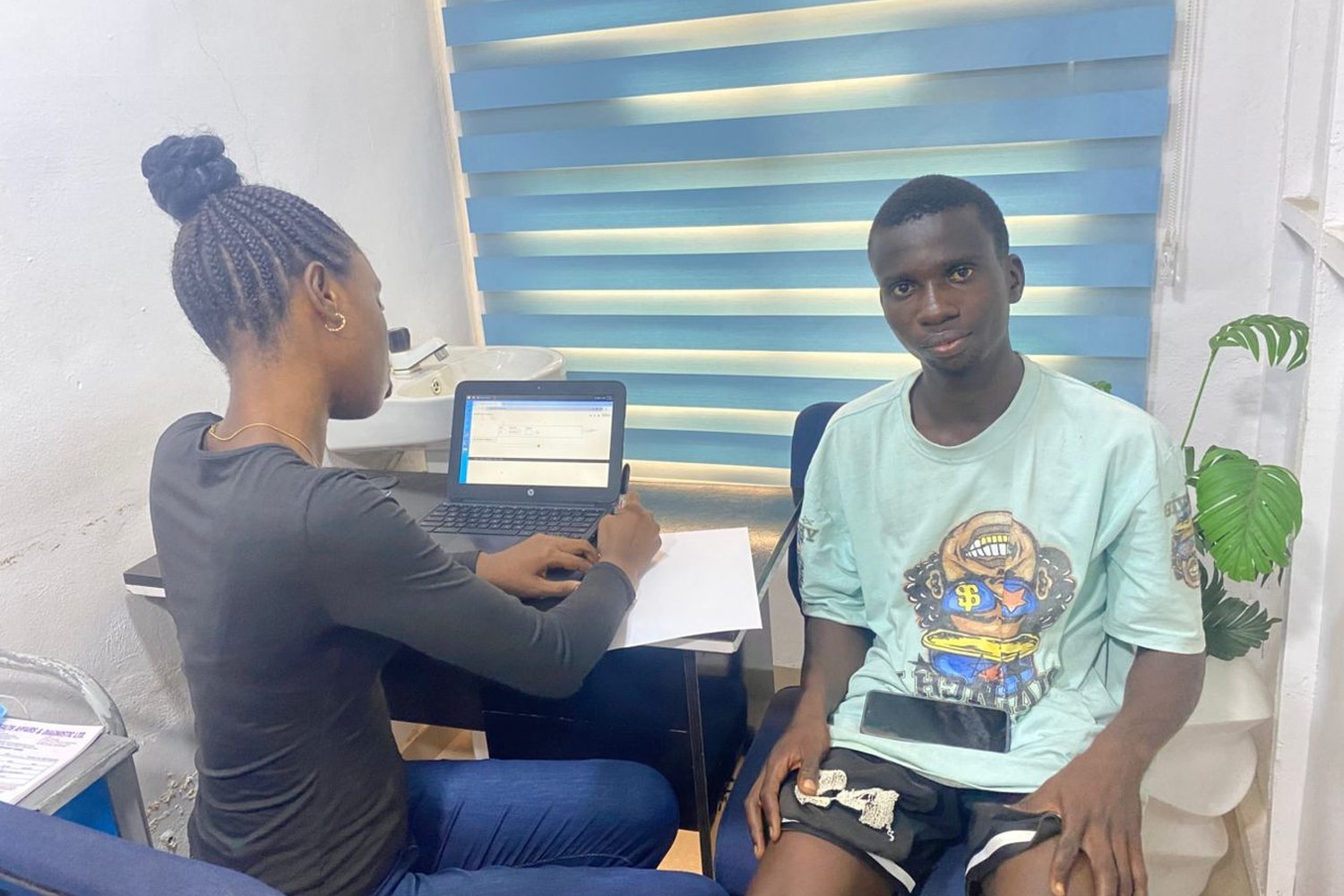
A young man in a mint green t-shirt sitting opposite a woman using an HP laptop in a small medical or administrative office.

We spent $416 (about £330) on medications and staff salaries, keeping the clinic open and free throughout the month.

Mrs Helen has been coming to Safe City since 2024, and this month she told us, "If I come, they give me drugs, and my children will be okay." Two years of consistent care for one family is the kind of long-term trust that reliable, free healthcare builds. With the new team now firmly settled, we expect to keep welcoming both familiar and new faces through June.

We treated 398 patients at Safe City in April, our best month of 2026

Posted by Tolani Yesufu

Posted 2 Jun 2026

In April, 398 community members received free healthcare at Safe City in Oworoshoki, Lagos, the clinic's busiest month of 2026 and a sharp rebound from 241 in March, when a staff change had slowed visits. The total since launch now stands at 7,895 patients, closing in on 8,000.

Two-thirds of April's patients (66%) were returning, the highest rate Safe City has seen this year, a sign the community has settled in with the new team. We welcomed 135 first-time visitors, and 119 of our patients were children under 18, brought in by parents who had nowhere else to turn for free care. 74% were women, most supporting families on around $9.22 (about £7) per person each month, well below the poverty line. The most common conditions we treated were upper respiratory infections (35%), muscle and body pain (30%), malaria (17%) and high blood pressure (13%). We spent $460 (about £360) on medications, supplies and clinic operations.

Mrs Yetunde came to see Safe City for herself after hearing about it from others, and shared what she found on video.

With the new team now firmly established, we expect to pass 8,000 patients next month.

We treated 241 patients at Safe City in March, passing 7,400 total

Posted by Tolani Yesufu

Posted 1 May 2026

In March, 241 community members received free healthcare at Safe City in Oworoshoki, Lagos, bringing the clinic's total since launch to 7,497 patients. Numbers dipped from February's 303 because Safe City recently went through a staff change. We think some patients are still adjusting to the new team, while ongoing home demolitions in Oworoshoki continued to displace residents through the month. Healthcare is built on trust, and trust takes time, especially when a familiar face changes.

Despite the dip, 62% of March's patients were returning, the highest returning rate of either of our two clinics this month, which suggests families who've come once keep coming back. Children under 18 made up 34% of visits, 80 kids whose parents had nowhere else to take them, and 73% of patients overall were women, most supporting families on around $7.81 per person per month, well below the global poverty line. One patient travelled 12.1 km from Mushin to reach us, nearly two hours each way. Malaria was the most common condition we treated (30%), followed by muscle and body pain (17%), upper respiratory infections (7%), and high blood pressure (3%). We spent about £296 (US$375) on medications, supplies, and operations.

Mrs Emini, a Safe City patient, shared her experience on video, describing what free care has meant to her.

We expect numbers to bounce back next month as the new team settles in and the community grows comfortable with them.

Solar panels installed at Safe City clinic in Oworoshoki

Posted by Tolani Yesufu

Posted 30 Mar 2026

This month, we purchased and installed solar panels at Safe City, our clinic in Oworoshoki, Lagos. We contracted a local vendor and installer from the Oworoshoki community, which also provided a small economic benefit to the area.

Three solar panels mounted on the corrugated metal roof of Safe City clinic in Oworoshoki.
The panels provide backup power whenever the mains supply is unstable, generating enough electricity to run the clinic's computers, wifi, fans, and lights. This fixes the ongoing problems with electronic medical record data entry and internet outages that our nurses and patients had been dealing with regularly.

A technician installing wiring for the solar panel system on the clinic roof.
We spent about £395 (US$500) from Kwanda funds, and the Oworoshoki community raised an additional £275 (US$350) towards the installation. The system has been working well since it went live, and with reliable power now in place, the team can focus fully on patient care as Safe City continues to grow.

Oworoshoki clinic treats 303 patients in February, passing 7,200 total

Posted by Tolani Yesufu

Posted 30 Mar 2026

In February, 303 community members received free healthcare at Safe City in Oworoshoki, Lagos, bringing the clinic's total since launch to over 7,250 patients and 681 treated in the first two months of 2026 alone.

Patient visits dipped slightly from January due to government-led home demolitions in Oworoshoki, which displaced residents and created instability in the area. Despite this, Safe City stayed fully operational and slightly exceeded its monthly target. Of the 303 patients, 35% were visiting for the first time and 65% were returning, a continued increase in repeat visits that shows how central the clinic has become for ongoing care.

The average monthly household income among patients was about 24,400 naira (roughly £13) for a family of four, which works out to about £3.30 per person per month. We spent about £303 (US$384) on medications and staff salaries.

Mrs Victoria, one of Safe City's oldest patients and a grandmother in Oworoshoki, shared her experience on video, describing how the clinic has changed her life.

With solar panels now installed and power issues resolved, the team is well placed to maintain this pace heading into Q2.

Oworoshoki clinic treats 378 patients in January, nearing 7,000 total

Posted by Tolani Yesufu

Posted 2 Mar 2026

In January, 378 patients received free healthcare at Safe City, our clinic in Oworoshoki, Lagos, bringing the total since launch to 6,953. Patient visits picked up as residents returned to Lagos after the holiday season, following a quieter December.

Of the 378 patients, 40% were visiting for the first time and 60% were returning. New patients continue to hear about the clinic through word of mouth from their neighbours. The average monthly household income among patients was about 21,700 naira (roughly £12) for a family of four, which works out to about £3 per person per month. We spent about £375 (US$474) on salaries and medications.

On the infrastructure side, we have finalised plans with local engineers to install a small solar generator at the clinic. The community helped raise funds alongside Kwanda's contribution, and the vendor will install the system within the next few weeks, which will help keep the clinic running smoothly as patient numbers continue to grow.

Safe City clinic supports 300 patients during quieter December in Oworoshoki

Posted by Tolani Yesufu

Posted 19 Jan 2026

In December, as is common during the Christmas season, many Oworoshoki residents travelled from Lagos to their hometowns, leaving the area quieter than usual. Even in the calm, Safe City remained open for those who needed care, and over 300 sick community members came in for support. This brings Safe City’s total impact to 6,575 people since launch.

This month, 31% of patients were new and 69% were returning, showing how deeply Safe City is loved and how firmly it has become part of daily life in Oworoshoki. The average monthly income of patients in December was just N11,067 ($8), highlighting the continued importance of accessible, life-saving care for our community.

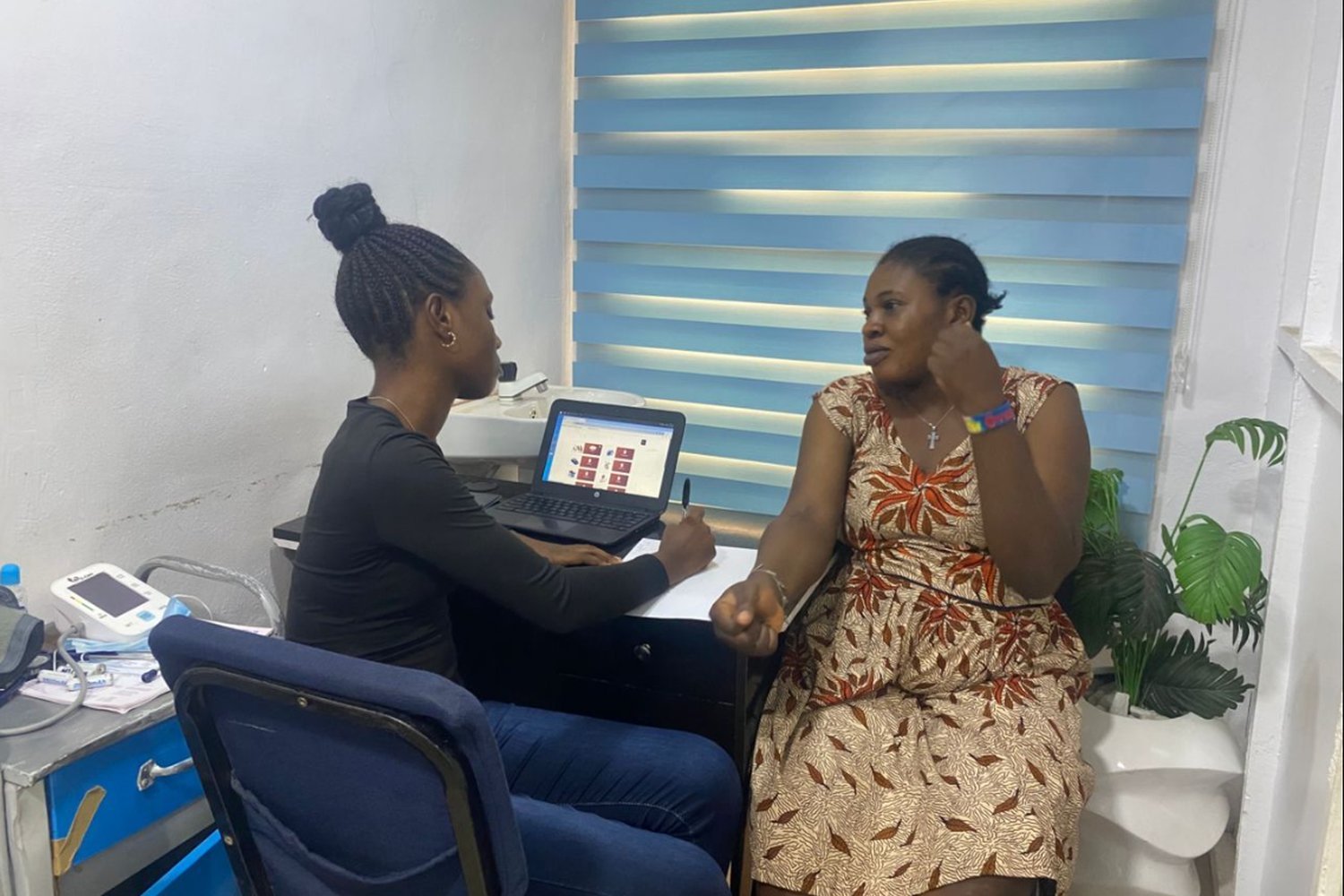
Woman with braided hair and glasses typing on a laptop at a desk with a blood pressure monitor and stacked papers nearby.
We also welcomed a wonderful new team member this month. Nurse Jennifer joined Safe City as our new nurse, following Nurse B’s relocation. Selected from over 40 candidates through a rigorous vetting and interview process, Nurse Jennifer brings over nine years of experience as a lead nurse, with a strong background in primary health care in low-income Nigerian communities. Before starting at Safe City, she completed training at our other clinics to learn the AHA approach. Patients already love her, and we are thrilled to have her on the team.

Activities:

  • Provided primary health care services to over 300 community members throughout December

  • Treated conditions including malaria, respiratory infections, and minor injuries

  • Recorded patient data showing 31% new and 69% returning patients, with average monthly income of ₦11,067

  • Recruited and onboarded Nurse Jennifer through a competitive selection process with over 40 candidates

  • Completed AHA approach training and induction at other clinics for the new nurse

In the coming months, we will continue delivering consistent, affordable care while supporting Nurse Jennifer to fully settle into her role and further strengthen service delivery at the clinic.

Safe City clinic in Oworoshoki reaches 6,268 people in first year

Posted by Tolani Yesufu

Posted 15 Dec 2025

In just one year, Safe City has helped 6,268 people, around 2,000 more than our original target.

On 30 November 2024, Safe City opened its doors to the Oworoshoki community, offering free healthcare to people who were suffering and earning so little, they couldn’t afford care. Since then, we’ve welcomed patients of all ages, from one-year-olds to 89-year-olds. We’ve supported mothers and fathers with multiple children earning just $20/month or less, and thousands of children who made up over 30% of patients each month.

Young boy in a red shirt sitting in a plastic chair beside an elderly woman in a patterned dress against a blue wall.
Our clinic has prevented many deaths by caring for hundreds of kids under 10 each month who were at risk of dying from untreated malaria, and adults with life-threatening conditions such as unmanaged hypertension and HIV. Safe City helped them all and saved each life, 6,268 in total.

In November alone, we treated 595 people. Of these, 30% were new patients, 95% had no insurance, and visitors came from eight different communities. One patient travelled over 23km, almost an hour in Lagos traffic, to reach us. Even after a full year, Safe City continues to reach new neighbours, near and far, showing just how urgent the need for care remains.

692 people receive free health care in Itire and Oworoshoki

Posted by Tolani Yesufu

Posted 29 Nov 2025

After opening in the last week of September, Care Circle had its first full month of operations in October and helped 226 patients, with patients earning just an average of $9/month. This means that in the month of October alone, Kwanda helped to deliver free health care to almost 700 people (692 total) across Care Circle in Itire Surulere and Safe City in Oworoshoki, Nigeria.

Patients of all ages flocked in - with 4 one year olds being our youngest and an 88-year old Grandma the oldest. Out of the 226 patients helped in Care Circle, 14 patients were repeat patients from September!! It is so exciting as patients are now beginning to recognise that Care Circle is here to stay as their new health home in their community and coming back as repeat patients for follow-ups and spreading word to their neighbours.

A young child resting their head on an adult's lap while seated in a waiting area with plastic chairs.
Patients are spreading so rapidly to other communities near and far! Of particular note, a mom came in with her 3 kids to Care Circle (ages 4-6) from Ikotun, a community 20km away (this is about a 2 hr commute!!) to receive care from Care Circle. She stated “we hope this comes to our community soon.” Mrs Oge travelled 2 hours to visit Care Circles because no other means for affordable care was close to her and her kids in their home area.

Patients like Mrs Oge are also enjoying the new care! In Care Circle’s post-visit survey, 96% of patients rated the services received as “excellent”, and the remaining 4% as good!

Patients are spreading so rapidly to other communities near and far! Of particular note, a mom came in with her 3 kids to Care Circle (ages 4-6) from Ikotun, a community 20km away (this is about a 2 hr commute!!) to receive care from Care Circle. She stated “we hope this comes to our community soon.” Mrs Oge travelled 2 hours to visit Care Circles because no other means for affordable care was close to her and her kids in their home area.

Patients like Mrs Oge are also enjoying the new care! In Care Circle’s post-visit survey, 96% of patients rated the services received as “excellent”, and the remaining 4% as good!

Safe City reaches 5,673 patients in 11 months

Posted by Tolani Yesufu

Posted 21 Nov 2025

As Safe City approaches its one-year anniversary, the free healthcare clinic in Oworoshoki, Nigeria has now reached a total of 5,673 people since inception. With 466 people helped in October alone, Safe City continues to exceed the initial monthly impact target of 300-400 patients.

40% of patients seen in October (187 people) were new patients who had never visited the clinic before. This demonstrates that even as Safe City matures in the community, new families continue to discover and access its services.

Hear from Mrs Emako, a returning patient that shares her experience at Safe City:

Distribution by illness

In October, Safe City's nurses treated:

  • 32% Malaria cases — slightly higher than previous months

  • 22% Upper respiratory tract infections — predominantly in children and one of the leading causes of death in the country

  • 16% Hypertension management — most common in older patients

  • 30% Other conditions including diabetes, anorexia, wound dressings, and ear infections

The average monthly household income of patients in October was N14,801 ($10/month) for a 4-person household. With an average of 2 children per household, the adjusted monthly income per person is approximately $3/month. Around 90% of patients seen this month were uninsured.

These numbers continue to highlight Safe City's impact in reaching people with severely limited financial and physical access to healthcare.

Patient demographics

  • 44% Children under 18 (higher than previous months)

  • 27% Children under 10

  • Oldest patient: 88-year-old grandmother treated for diarrhea and weakness

  • Youngest patients: Five 1-year-olds with respiratory infections and malaria

  • 64% Female

  • 36% Male (a slight increase from ~30% in previous months)

While 95% of patients live in the Oworoshoki community, Safe City welcomed patients from three other nearby communities lacking affordable healthcare: Bariga, Sawmill (5km away — the farthest distance traveled), and Gbagada.

Financial overview

$448 was spent from the Kwanda budget on staff salaries, medications and supplies.

This month, Safe City recycled 4lbs of plastic and generated N46,000 in income from 4 months of recycled plastic through its partnership with Wecyclers. This income was reinvested into clinic operations, allowing the clinic to spend approximately $30 less from the Kwanda budget this month.

Looking ahead

Safe City is on track to celebrate its one-year anniversary at the end of November. In just 11 months, the clinic has become a vital healthcare resource for thousands of Nigerians in Oworoshoki — providing care to moms rushing in before closing time, grandmothers seeking treatment, and countless children who would otherwise miss school due to treatable illnesses.

Through early intervention and preventive care, Safe City is reducing deaths from malaria and other treatable diseases, while properly managing chronic conditions like diabetes and hypertension that would otherwise go undiagnosed.

Safe City clinic treats 5,207 patients in 10 months in Oworoshok

Posted by Tolani Yesufu

Posted 21 Oct 2025

This month, Safe City treated its 5,000th patient, specifically treating 439 patients from 7 communities in September alone! On average, each patient who walked through Safe City’s doors in September survives on just $5/month in income, showing that Safe City continues to impact patients who really have no other option for healthcare due to immense poverty in Oworoshoki. This month, one patient travelled over 12 km via a 1hr bus ride to access Safe City’s free healthcare!

As kids return to school in September, Safe City saw a slight drop in the percentage of kids who walked into the clinic compared to August. Still, this month, Safe City treated 162 kids below age 18, significantly impacting the demographic most vulnerable to deaths from simple illnesses like malaria if not treated early. This month, patients presented with a wider array of illnesses, including Urinary tract infections, eye infections, and ulcers, with only 29% presenting with malaria compared to last month 38%. Safe City continues to serve as a life raft for Oworoshoki.

Woman holding a baby and two medicine boxes — Vami-C Syrup and Artemelum Suspension — indoors near a door.
Healthcare worker taking a patient's blood pressure with a digital monitor at a small desk in a clinic room.
Activities:

  • In the last 4 weeks, Safe city treated 439 patients! Here’s the impact by distribution:

Distribution by illness:

  • 29% had malaria

  • 15% had respiratory illnesses

  • 18% came for hypertension management

  • 38% presented with other illnesses: UTIs, eye infections, peptic ulcers, diabetes, and more

Distribution by income:

  • The average monthly household income for September patients was N32,600 ($23/month)

  • Adults reported an average of two dependents, meaning most families survive on about $5/person/month—well below Nigeria’s poverty line

Distribution by age:

  • The largest group was children under 18 (162 total), with 108 of them under age 10

  • Middle-aged adults (ages 36–50) were the next largest group

Distribution by gender:

  • 72% of patients identified as female, a 2% increase from August

Distribution by location:

  • 96% of patients were from Oworoshoki

  • Patients also came from seven nearby communities: Gbagada, Bariga, Ikeja, Ojota, Sawmill, and Ketu

  • One patient from Ikeja took a 1-hour bus ride and walked 20 minutes to reach us!

Two girls sitting across from each other at a wooden desk with books and a pen indoors.
Woman holding a baby and two medicine boxes — Vami-Cee Vitamin Syrup and Artemelum Suspension — while standing near a door.
Hear from Amarachi, who was introduced to Safe City by her sister, who told her there is a “good clinic that can help her”. Amarachi told us how she

I came in late when Safe City was almost closing for the day. If I had gone to a government hospital far away from home, they would have turned me away and asked me to come back

But at Safe City, she was helped instantly at no cost by Nurse B and Nurse Chioma. Amarachi came with her little baby, and they were helped instantly!

Challenges:

  • Our walls were starting to stain from high foot traffic, but community volunteers cleaned them and they now look as good as new!

  • Power outages have been frequent due to the rainy season. While our community partners cover utilities, we’re currently fundraising for a solar power unit. So far, we’ve raised N120,000 from donations and another N35,000 this quarter from recycling, just about $500 short of our N900,000 goal.

In the meantime, the clinic continues to function normally. Our WiFi is backed up by a mini UPS, and we plan to add another to prevent EMR disruptions during outages.

Financials: ~$450 was spent on salaries and medications to care for the 439 people who visited Safe City in September.

Safe City clinic reaches 4,768 patients with free care in 9 months

Posted by Tolani Yesufu

Posted 24 Sept 2025

This August, Safe City treated its highest number of patients yet—786 in a single month—bringing the total number of people reached with free primary healthcare to 4,768 in just nine months. Over half of this month’s visits were returning patients, while 44% were new, showing that even as the clinic matures, word continues to spread among neighbours in Oworoshoki.

Safe City continues to serve those who would otherwise go without care: 97% of patients were uninsured and living on an average monthly income of $29 while supporting a household of four. While this figure is slightly higher than in previous months, it remains far below the poverty line. The clinic has become a true medical home and safe haven for mothers, children, and fathers alike, people whose lives have been improved or even saved thanks to your support through Kwanda. On behalf of our Oworoshoki friends, thank you for the real, tangible change you’ve made possible.

Developments:

  • In August, 786 people received care, bringing the total number of patients treated from 3,982 to 4,768.

  • Patients also recycled approximately 3 pounds of waste this month. The clinic will receive funds generated from the past four months of recycling through WeCyclers by the end of September.

Activities:This month, Safe City's medical team treated:

  • 193 malaria patients, many of them children under 10 at high risk of severe illness or death

  • 94 hypertensive patients

  • 134 respiratory infections

  • Over 300 patients with other illnesses, including rashes, insomnia, and peptic ulcers

Hear from Mrs Kehinde, one of Safe City’s patients, this month:

Challenges:Young adults aged 19–25 remain underrepresented among clinic visitors. We suspect this is due to work hours conflicting with the clinic’s weekday schedule (Monday–Friday, 8 am–4 pm). We’re exploring possible solutions, including telemedicine, and would welcome any thought partnership on identifying and addressing the root cause.

Financials:

Period

Amount Spent

Patients Served

Notes

August 2025

$497

786

Staff salaries and medications

June-August 2025

$1,500

2,044

54% of six-month budget

About 54% of Safe City’s six-month budget has helped provide free care to 2,044 patients.

Patient spotlight: Mrs. Emako and her son share their Oworoshoki Clinic experience

Posted by Tolani Yesufu

Posted 20 Aug 2025

This month, we’re excited to highlight the story of Mrs. Emako and her son, who recently shared their experience at Oworoshoki Clinic. In their video testimony, they speak about the impact the clinic has had on their lives and how the care they’ve received has helped them feel healthier and more hopeful.

Oworoshoki clinic nears 4,000 patients in 8 months with lifesaving HIV diagnoses

Posted by Tolani Yesufu

Posted 15 Aug 2025

We’re thrilled to share that the Oworoshoki clinic has now provided care to 3,982 people since launch! This means we’re close to reaching our annual target of 4,000 patients in just eight months, showing the incredible need for healthcare in and around Oworoshoki.

In July alone, 716 patients walked through the clinic’s doors, the highest monthly number yet, to receive free, high-quality care.

A particularly significant milestone this month was the diagnosis of the clinic’s first two HIV patients in Oworoshoki, made possible by our introduction of rapid HIV test kits. Without this intervention, these individuals could have gone months or even years without knowing their status, risking progression to AIDS or unknowingly transmitting the virus. This is exactly why the Oworoshoki clinic exists.

Our medical team referred these patients, along with others in need of specialized care, to tertiary institutions for further treatment and continues to follow up with them. Through our partnership with Health Emergency Initiative, referred patients can have bills covered up to N20,000. In this case, because of their HIV diagnosis, their ongoing treatment at government institutions is fully covered.

Finances:

~$535 total used in July on the following:

  • $250: Staff salaries

  • $285: Medications, supplies and maintenance (slightly above monthly average budget due to higher patient turnout)

Clinic surpasses 3,000-patient milestone with 542 treated in June

Posted by Tolani Yesufu

Posted 17 Jul 2025

June was a huge month. We officially crossed the 3,000-patient mark! In just this month, we treated 542 people with completely free, high-quality primary care. Since launching in November 2024, we’ve now reached 3,266 lives, and the need keeps growing.

98% of our patients had no insurance, and the average household income was only ₦29,114 (~$19/month), showing the real gap we’re helping to close.

June Highlights:

  • Patients came from 8 different communities, including one who traveled 23 km from Ajah (about an hour away). Word about the clinic is clearly spreading.

  • Our sustainability program kept going strong. We recycled 3 lbs of plastic waste.

The clinic is delivering high-impact, respectful care to some of Nigeria’s most underserved communities.

I’ve attached the June report.

Need help or have a question?