
Summary
We're proposing to use $6,700 from our village pot to install 8 industrial sewing machines into a shared workshop in Luanda, Angola 🇦🇴.
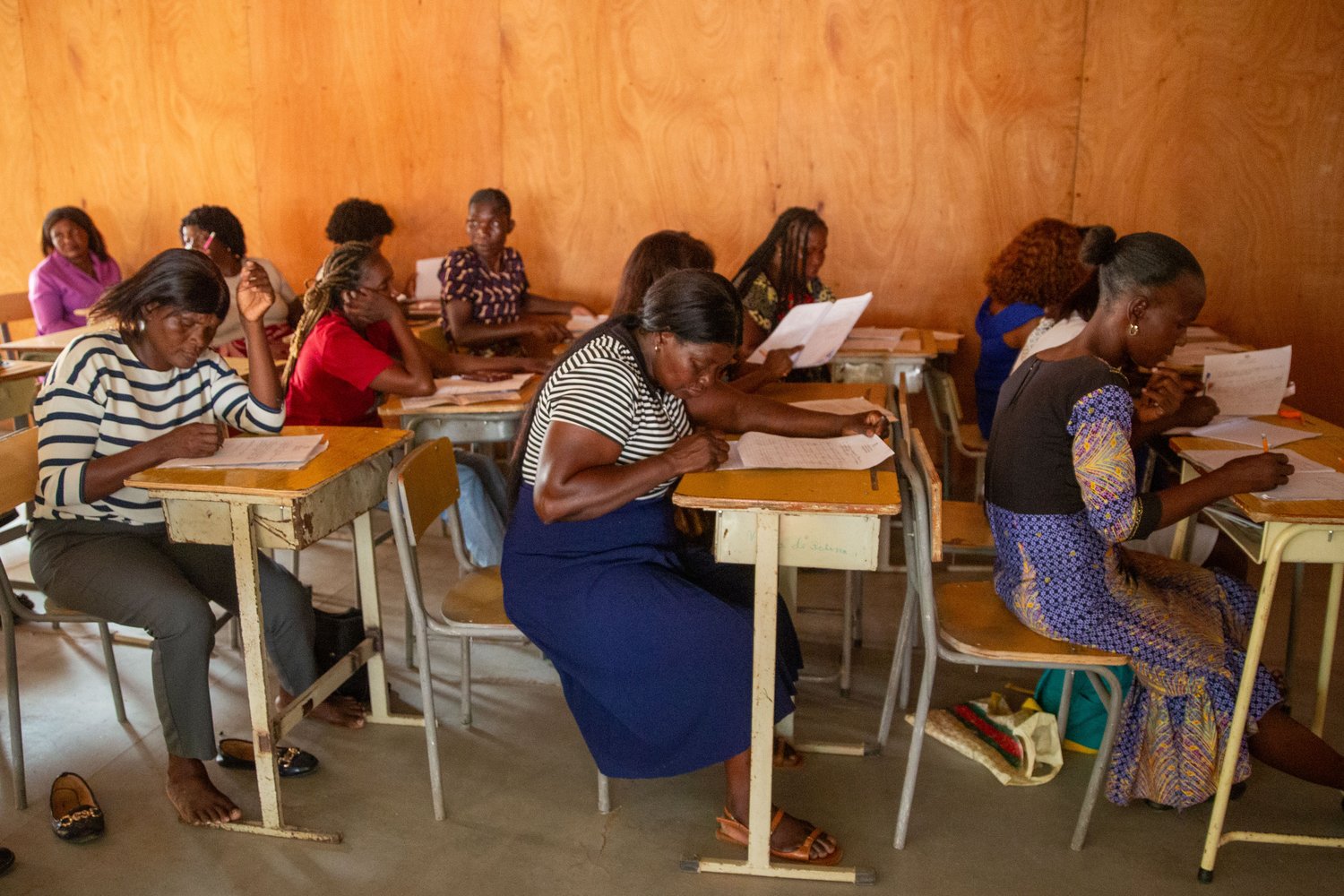
In a classroom in Luanda last year, 29 women sat down to learn to read and 24 of them finished.
We paid for transport and attendance climbed from about 50% to about 80%. As an experiment the stipends worked, but reading alone rarely gets a woman earning.
So this second round with Ella Africa is a different experiment and a push towards funding more permanent productive assets. A workshop of 8 industrial sewing stations at Fábrica de Sabão, an innovation hub in Luanda. Cohorts of up to 16 women train for 3 months at a time, and the stations stay when each cohort leaves.
8 stations, 16 women a cohort, on machines we pay for once.
The Story
Last year's literacy pilot was small and it worked.
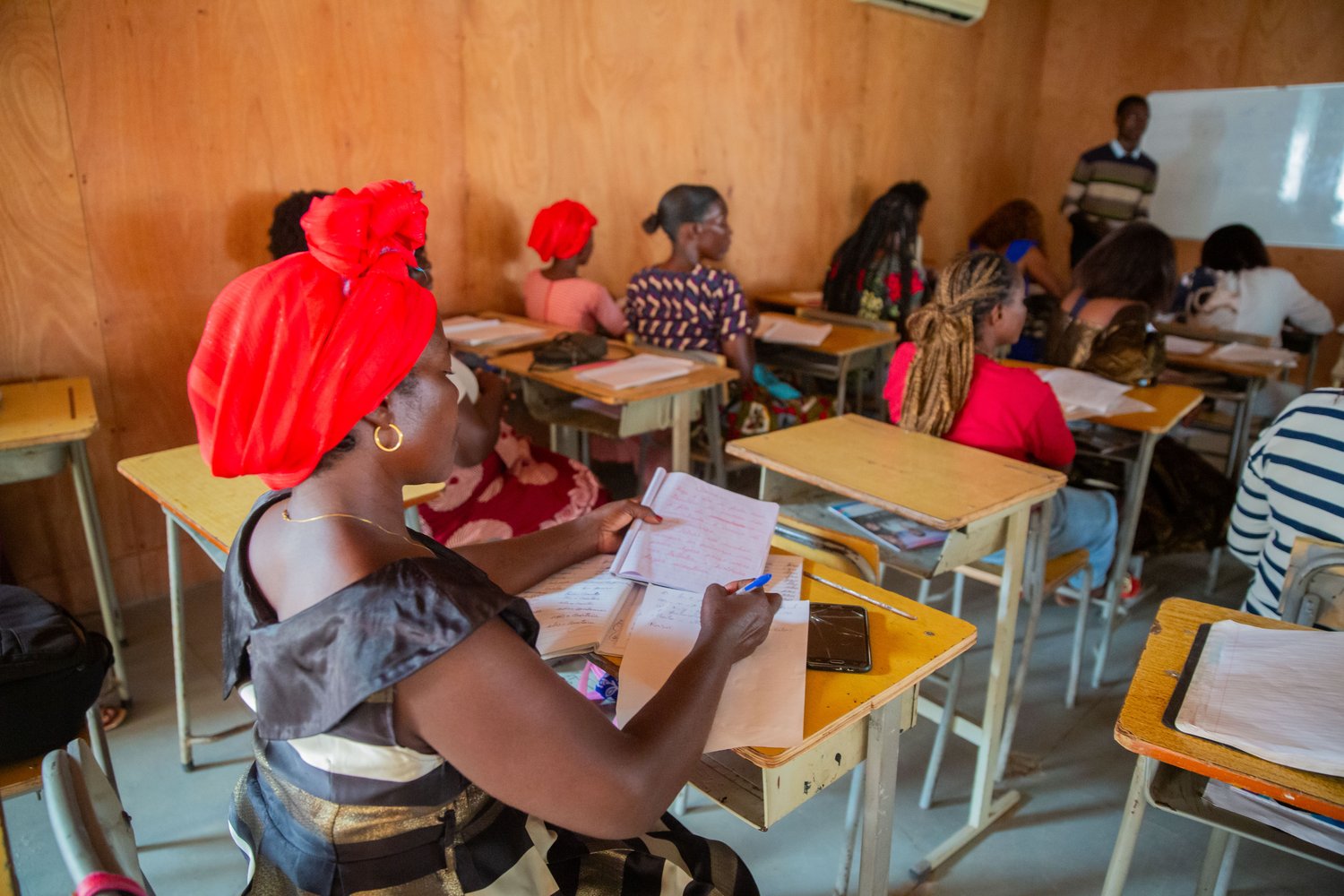
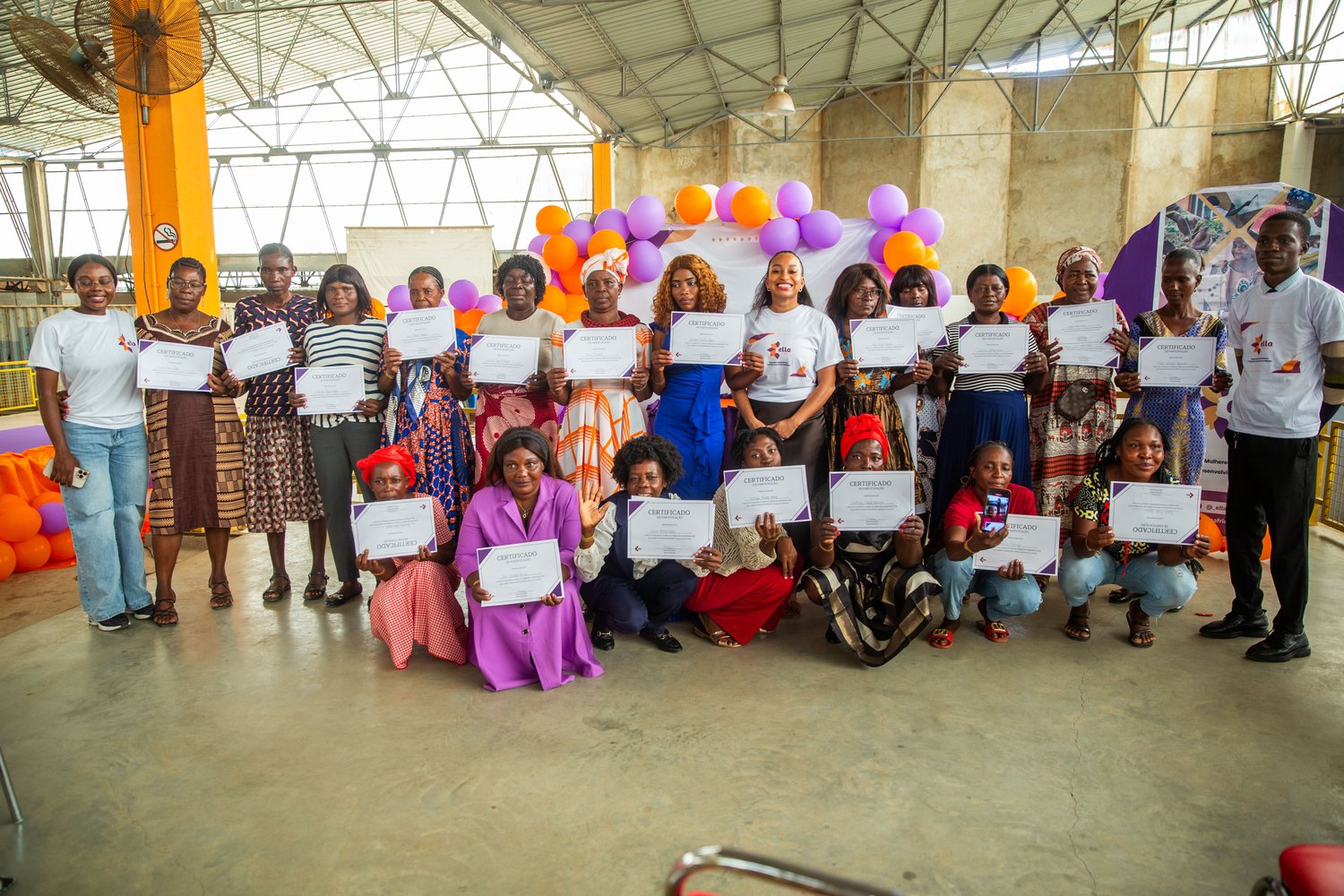
29 women enrolled and 24 completed, an 83% completion rate, with an average of 108 hours of instruction each in reading, spelling and written communication. Attendance rose from about 50% to about 80% once transport stipends started, and held there to the end.
Of the $2,700 (£2,000) we deployed, $2,114 (£1,566) went on literacy transport at $73 (£54) each for 29 women, $567 (£420) on internship transport at $113 (£84) each for 5 of them, and $19 (£14) on admin.
29 women enrolled in the pilot and 24 finished. It ran in Luanda in 2025, the first thing we funded with Ella Africa, at $2,700 (£2,000):
The useful finding was not about teaching. Women were not dropping out because the classes were hard. They were dropping out because getting there cost money they did not have.
Why an asset this time
Ella Africa also runs a vocational arm, Project Moana, with 6 classes, and sewing is the one with the clearest route to income. What it does not have is machines of its own.
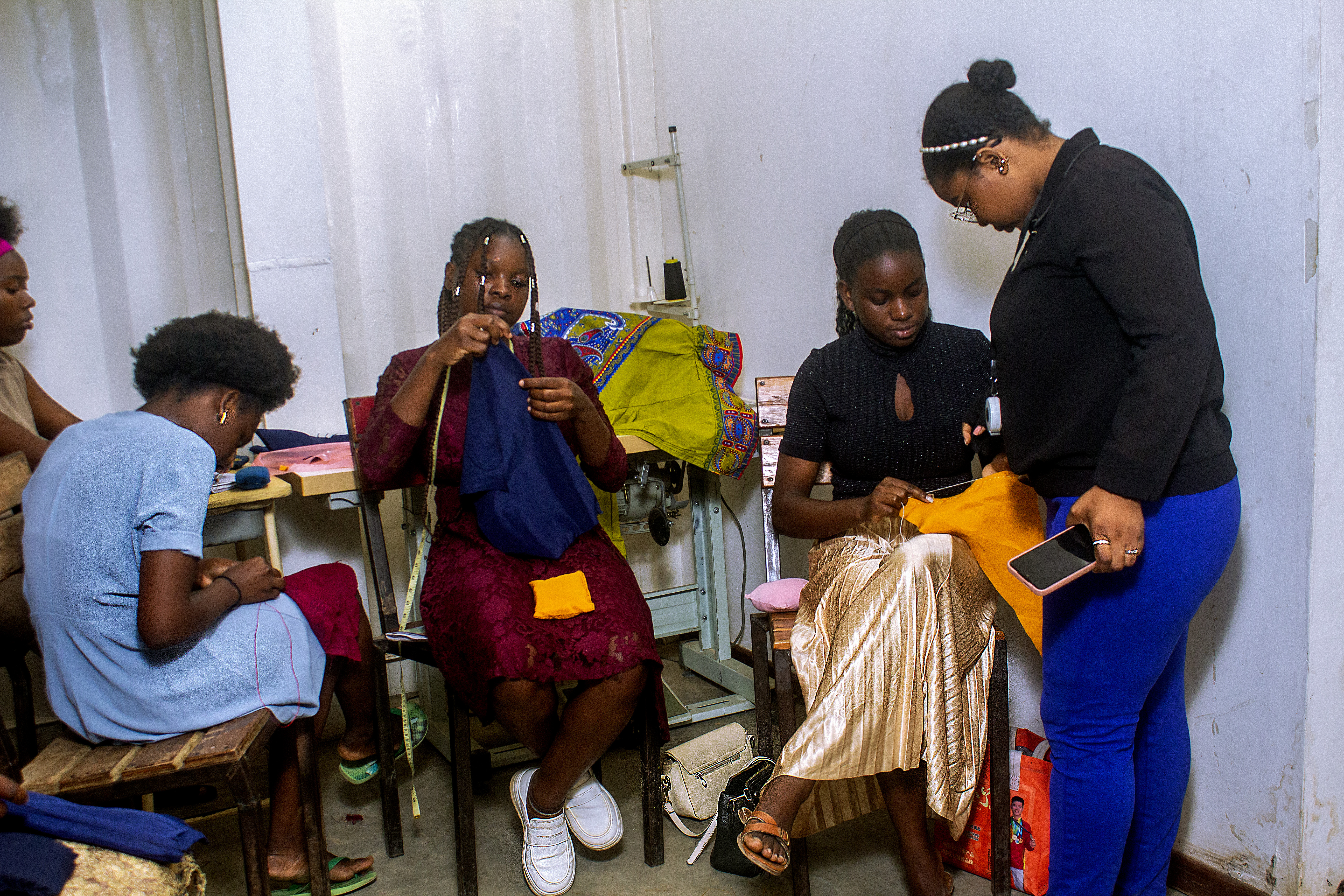
This would be the first productive asset we fund in Angola, and we are treating it as a second pilot. The literacy course tested whether Ella Africa can get women through a programme. It can. This tests the other thing: whether an asset that stays in the community keeps producing impact once our money is spent.
What this funding will do
The asset
What the money leaves behind is a workshop of 8 industrial sewing stations and a shared overlocker, which finishes seams so garments hold up to wear, at Fábrica de Sabão, an innovation hub in Luanda. Ella Africa Foundation owns the machines and the hub hosts them, under an Asset Hosting Agreement, signed before the machines arrive, covering ownership, usage rights, who looks after them, and what happens if the arrangement ends.
They are industrial machines rather than domestic ones, chosen for the heavier wear a workshop running cohort after cohort puts them through.
Repairs are paid for out of Fábrica de Sabão's community membership fee, plus a usage fee from members who use the stations outside class hours, which is set aside for that.
What changes
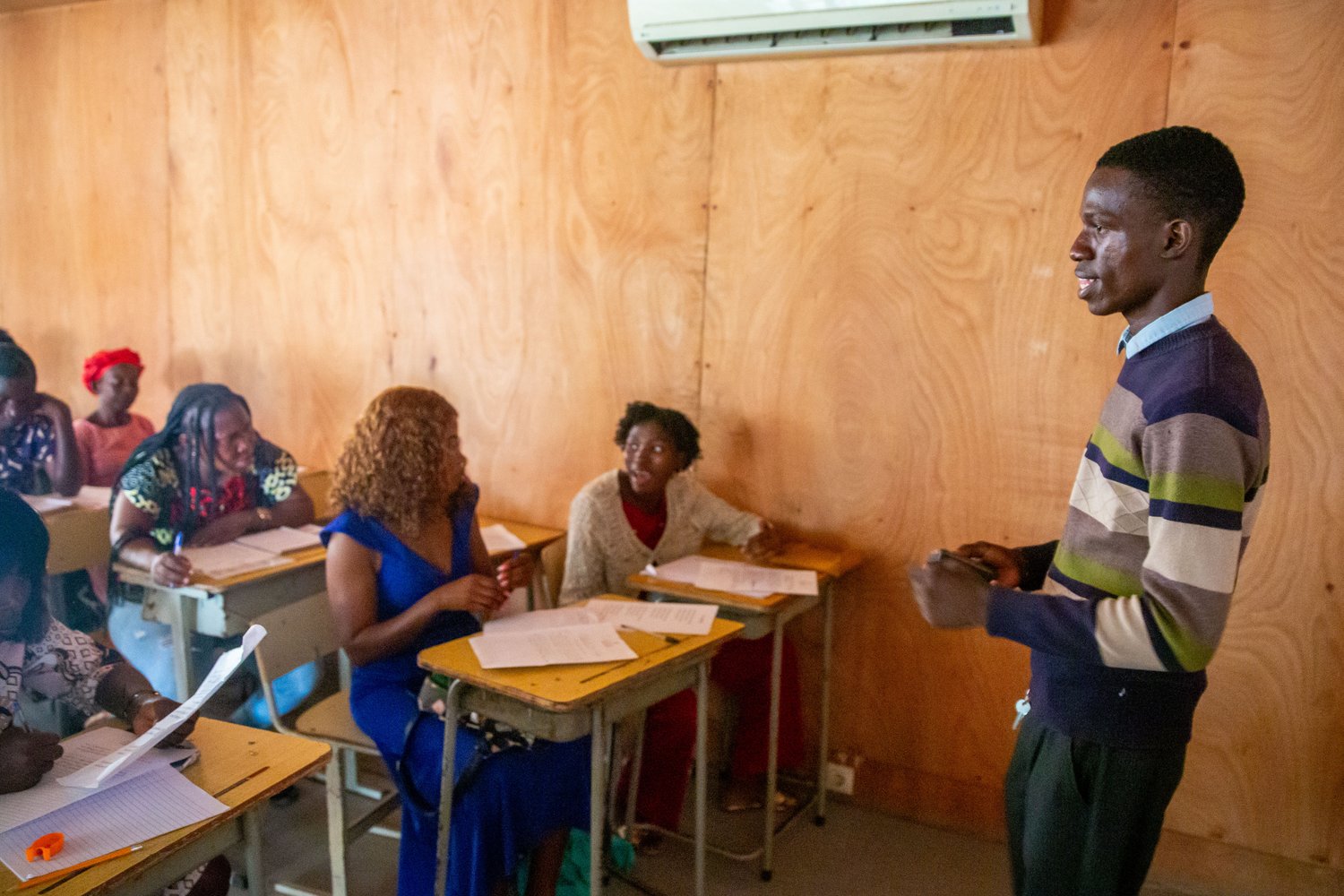
Up to 16 women train per cohort, 3 months each, with cohorts rotating. Graduates who show aptitude are trained as facilitators from the start, so they can lead later cohorts. Outside class hours the stations are open to the wider hub community rather than sitting idle between cohorts.
That's all!
If you have any questions about the proposal, contact us at team@kwanda.co