
Summary
This proposal builds on our last partnership with Ashoka by doubling down on what worked, funding $1,250 project grants for young social entrepreneurs in Nigeria to pilot community projects.
The Story
Last year, we partnered with Ashoka to find four young entrepreneurs in Nigeria with bold ideas for social enterprises.
Saviour
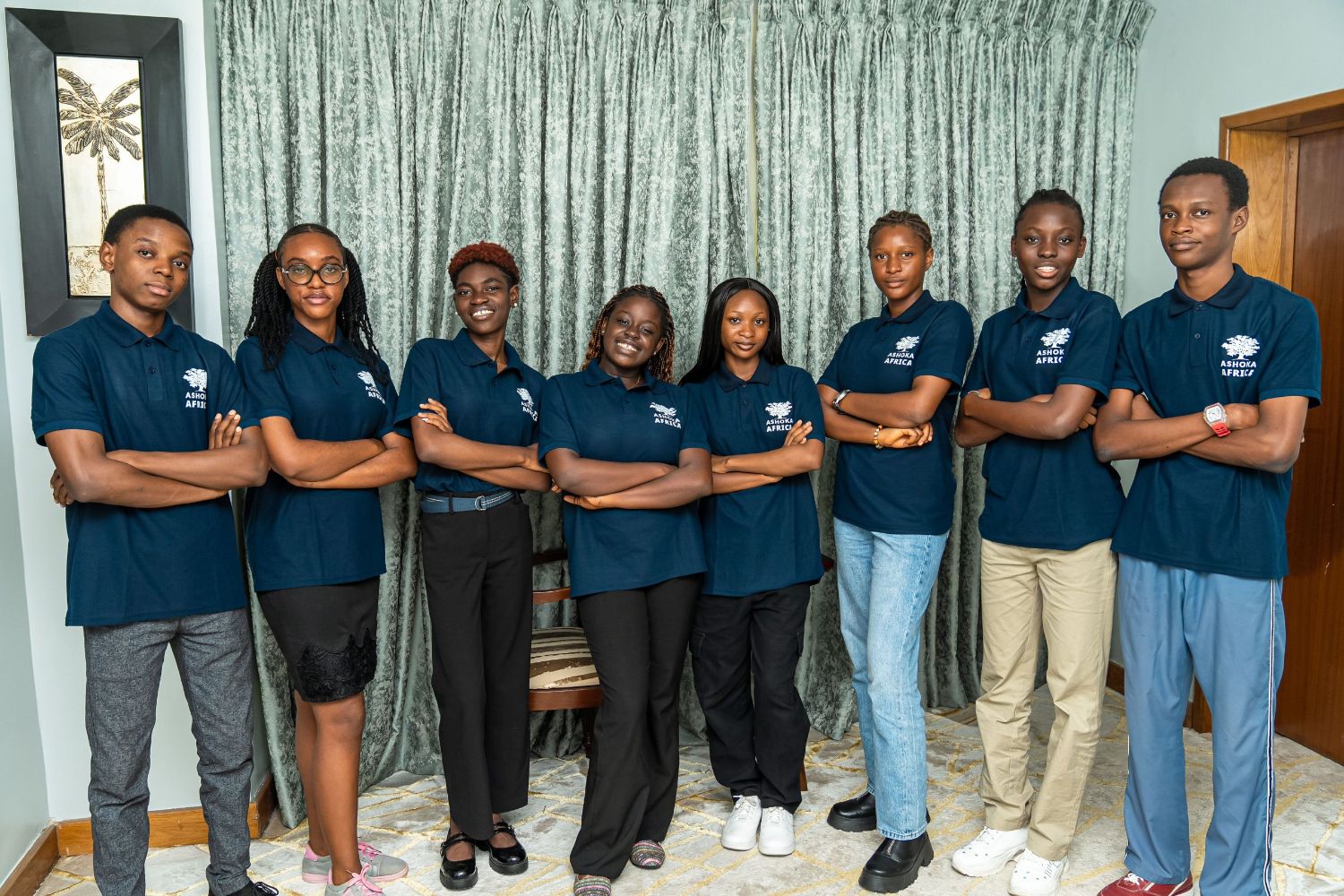
Saviour, a 20-year-old social entrepreneur from Lagos, used her grant to run three programmes: the Green Student Fellowship, Climate Story Café Lagos, and Zero Heroes. Each aimed to turn climate education into practical action for young people.
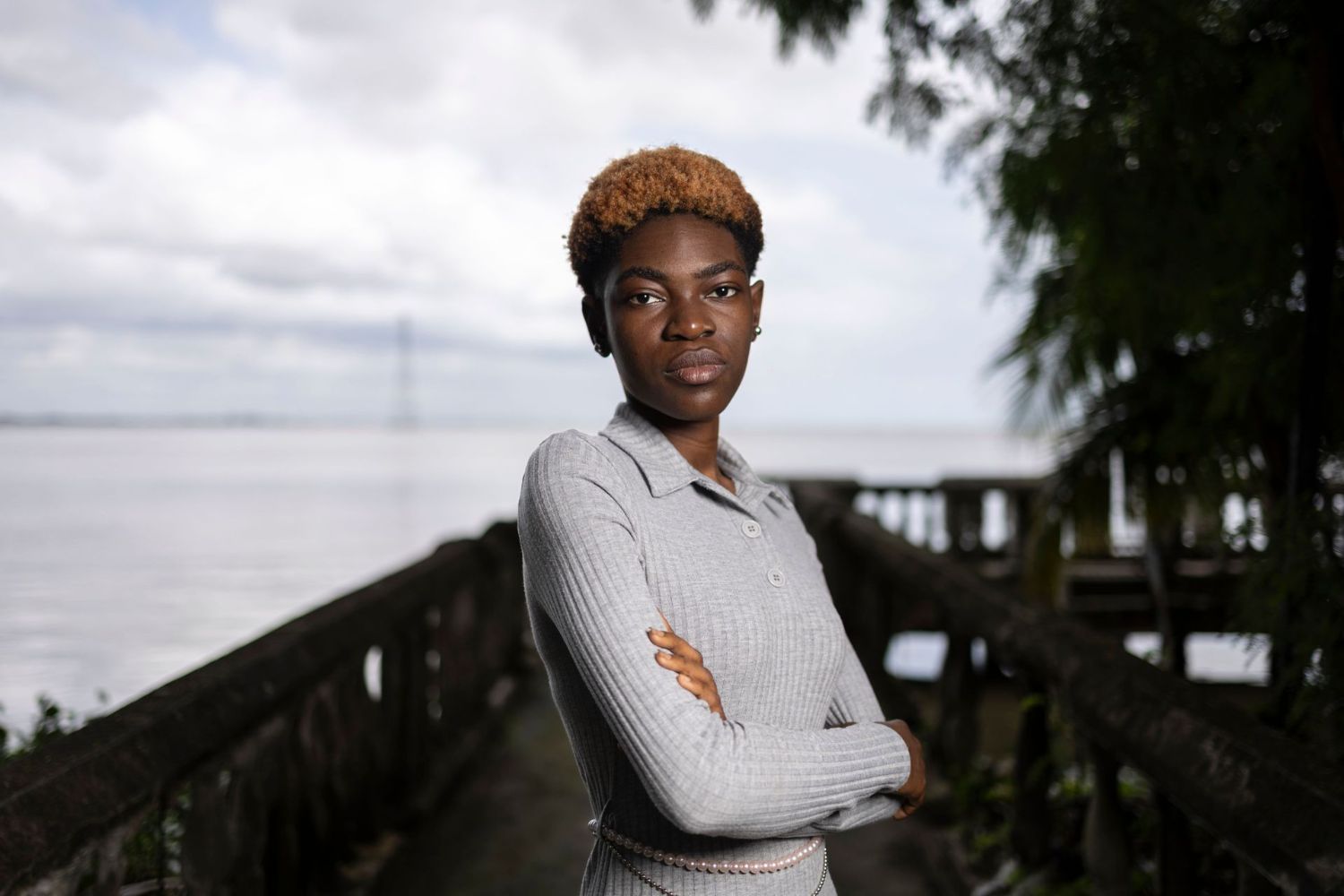
Alongside that, she pushed the public engagement side. For Climate Story Café Lagos, the venue was booked, and facilitators were contacted, with the event rescheduled to 11 April and a focus on driving registrations and preparing resources in the weeks ahead.
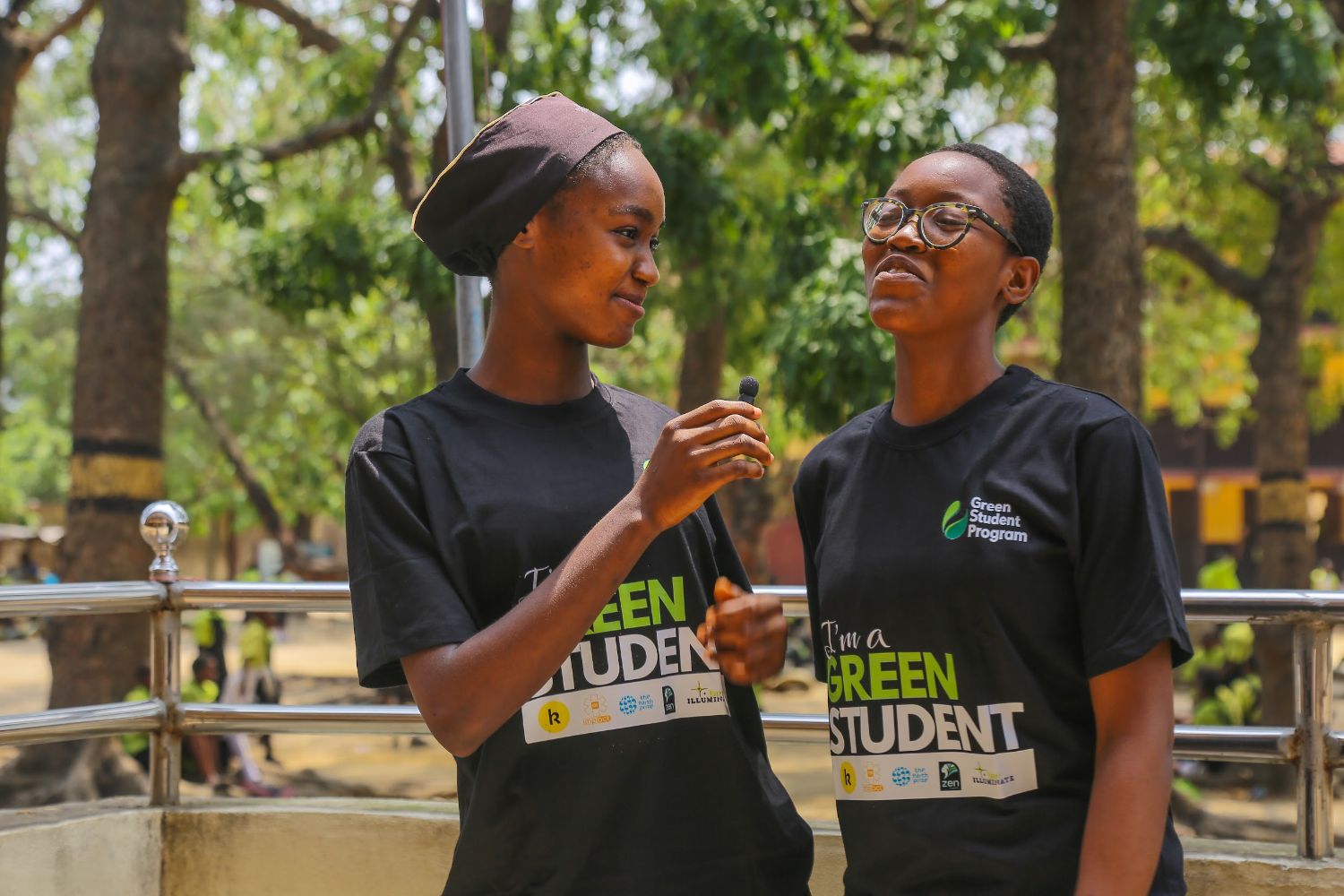
Following the grant project, Saviour applied for the “Kofi Annan” fellowship and was selected as one of 14 people globally for 2025 to join the prestigious program.
Muhammad
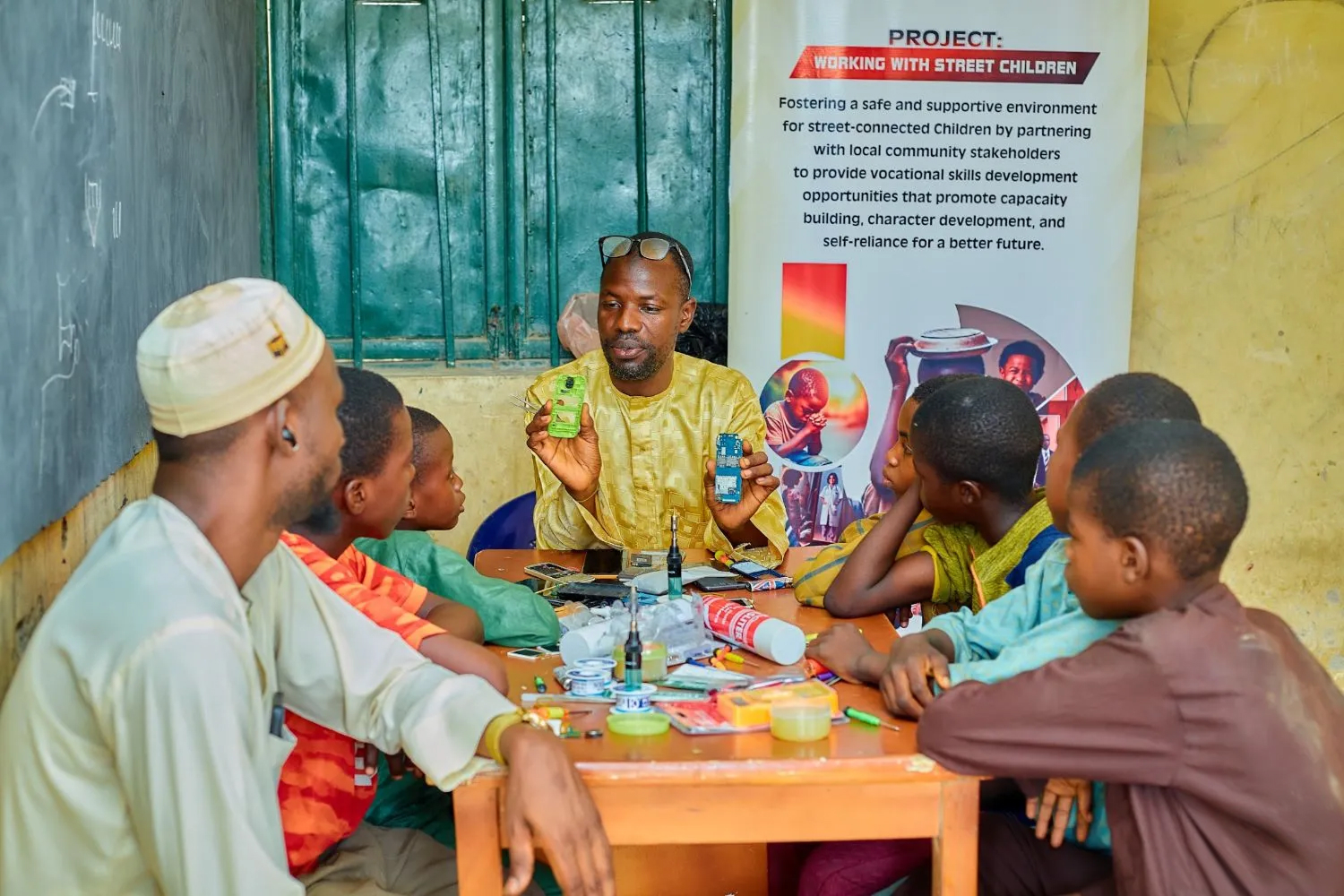
Muhammad, a 20-year-old social entrepreneur from Kano State, used his grant to launch a “Working with Street Children” project in Sauna Kawaji (Nassarawa LGA), focused on protecting street-connected children and creating pathways to skills training and a community-based learning centre.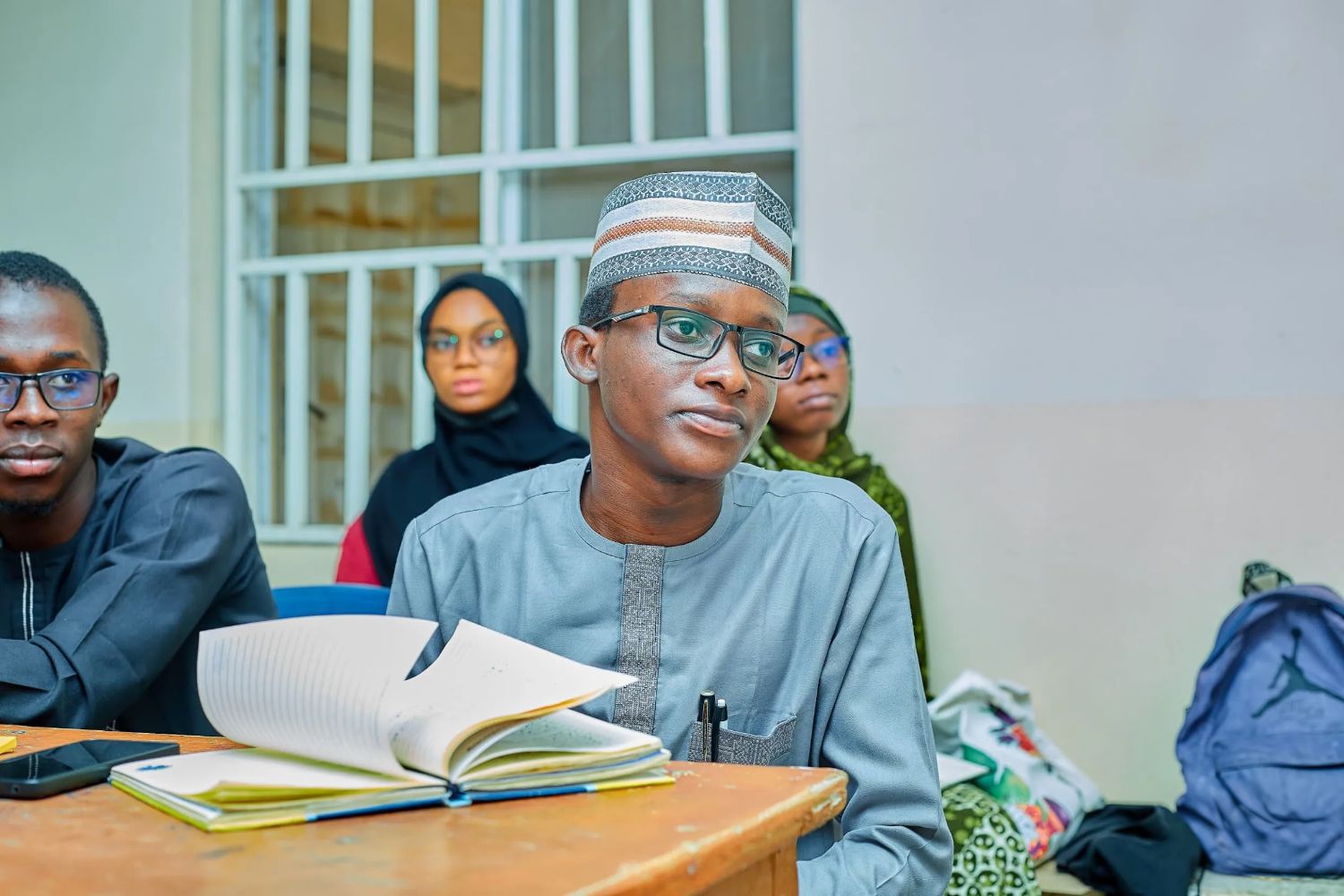
The early work centred on trust-building with local leadership. Meetings with the traditional head (Mai Unguwa) and the district head helped secure endorsement and integrate the project into existing community child welfare efforts.
Favour
Favour, a 20-year-old social entrepreneur from Cross River State, used her grant to fund the installation of a borehole that would provide free access to safe, clean water in the Bendi community (Obanliku LGA).
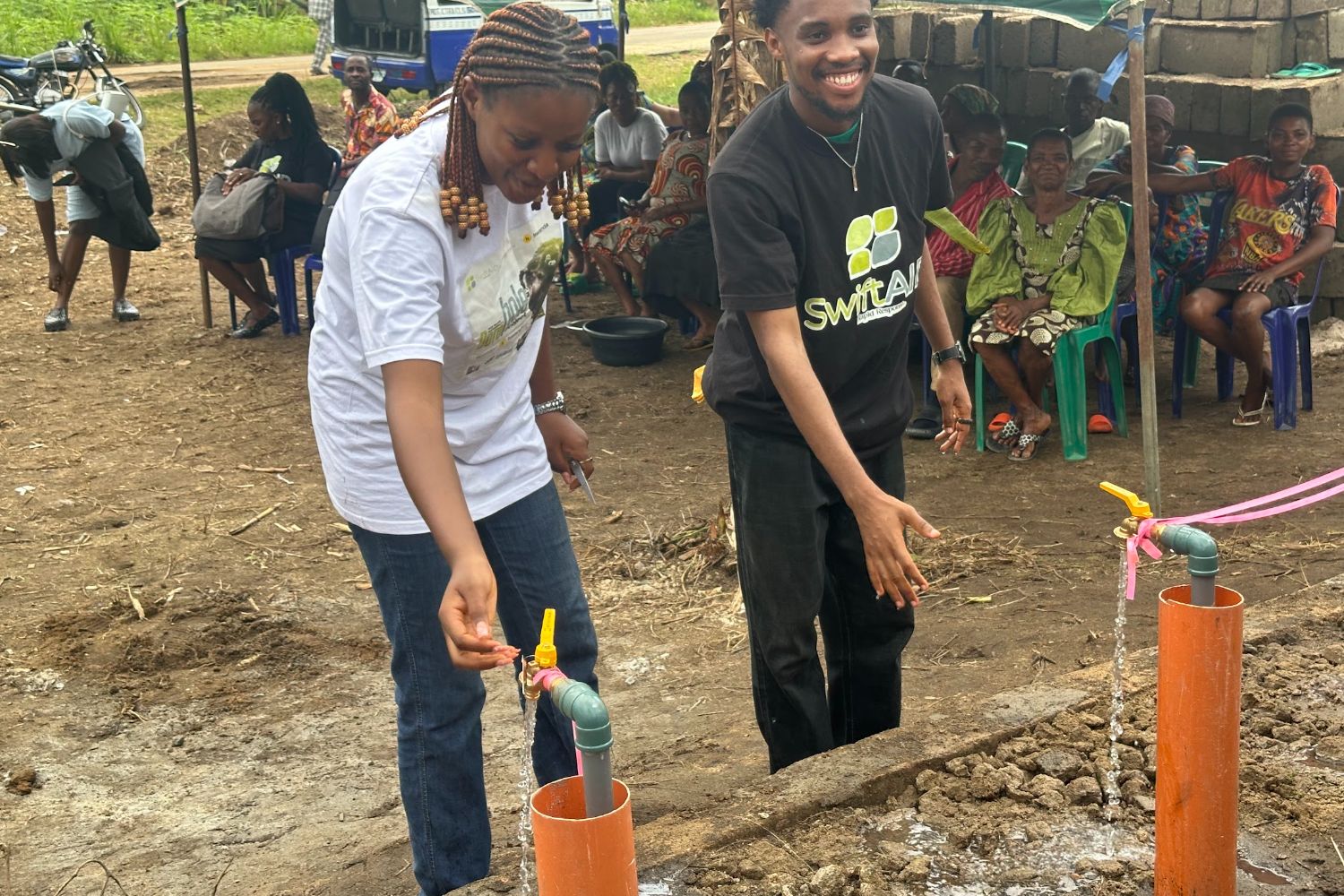
After receiving the first tranche of the grant in February, she coordinated her team, secured community buy-in, and lined up drilling and plumbing contractors, with a key community meeting set for 22 March to lock in the borehole location and approvals.
As the work progressed, delivery pressures emerged. Material costs increased, and the project’s location had to change, creating a funding gap that required additional support.
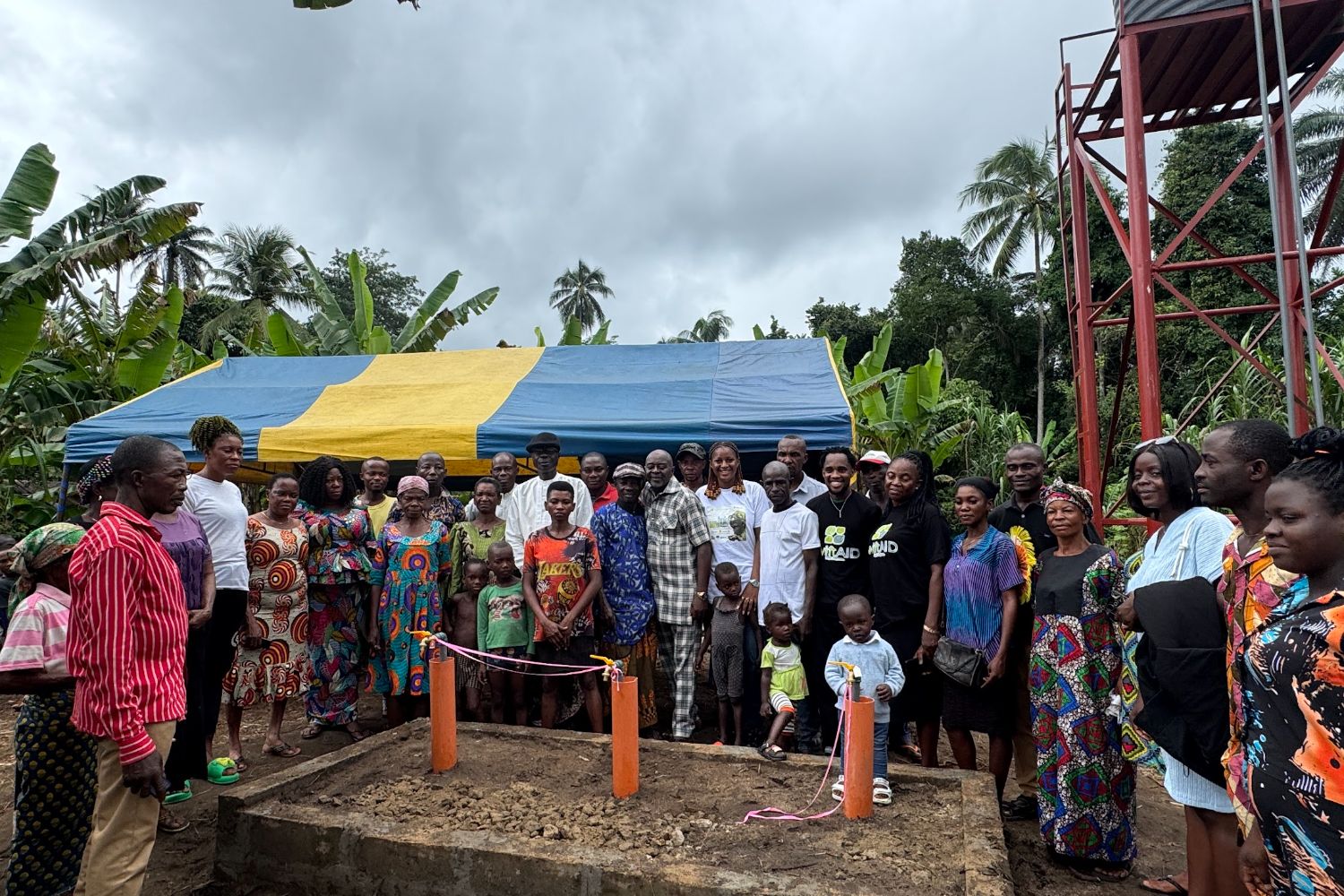
In the end, the borehole was successfully installed, and the project’s emphasis was not only on building infrastructure but on sustainability and local ownership. Community youth were taught practical skills and designated as “stewards” responsible for monitoring the water system.
The experience of navigating cost increases and a location change pushed her to strengthen her project management. Favour is now enrolled in a project management course to bolster her abilities for the future.
Flourish
Flourish, an 18-year-old social entrepreneur from Ekiti State, used her grant to run a mental health support group project, beginning with a hybrid support group session on healing from toxic parenting and childhood trauma.
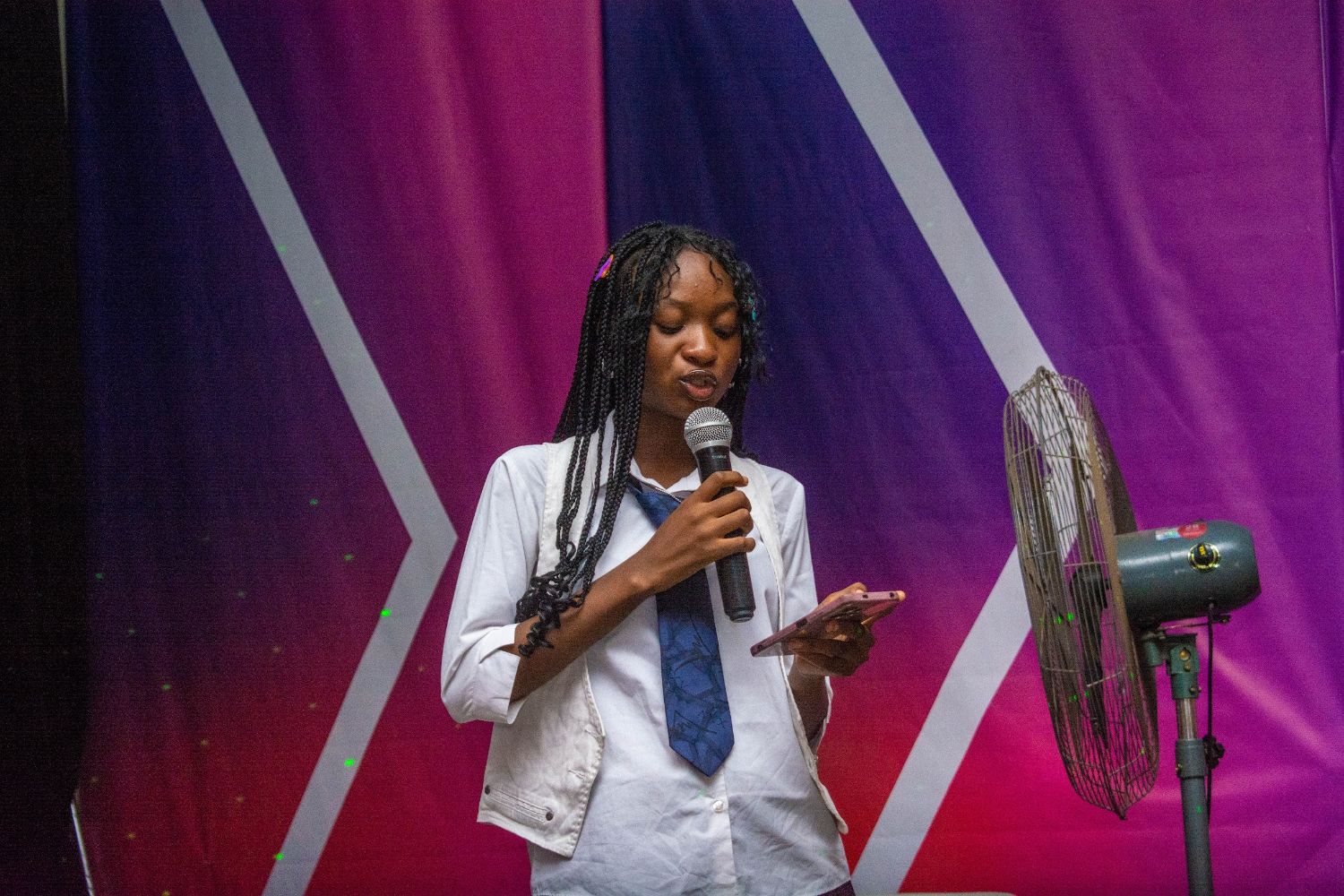
Publicity began ahead of the event, with social promotion underway, and early registration momentum was reported at over 30 registrations at that point.
Conclusion
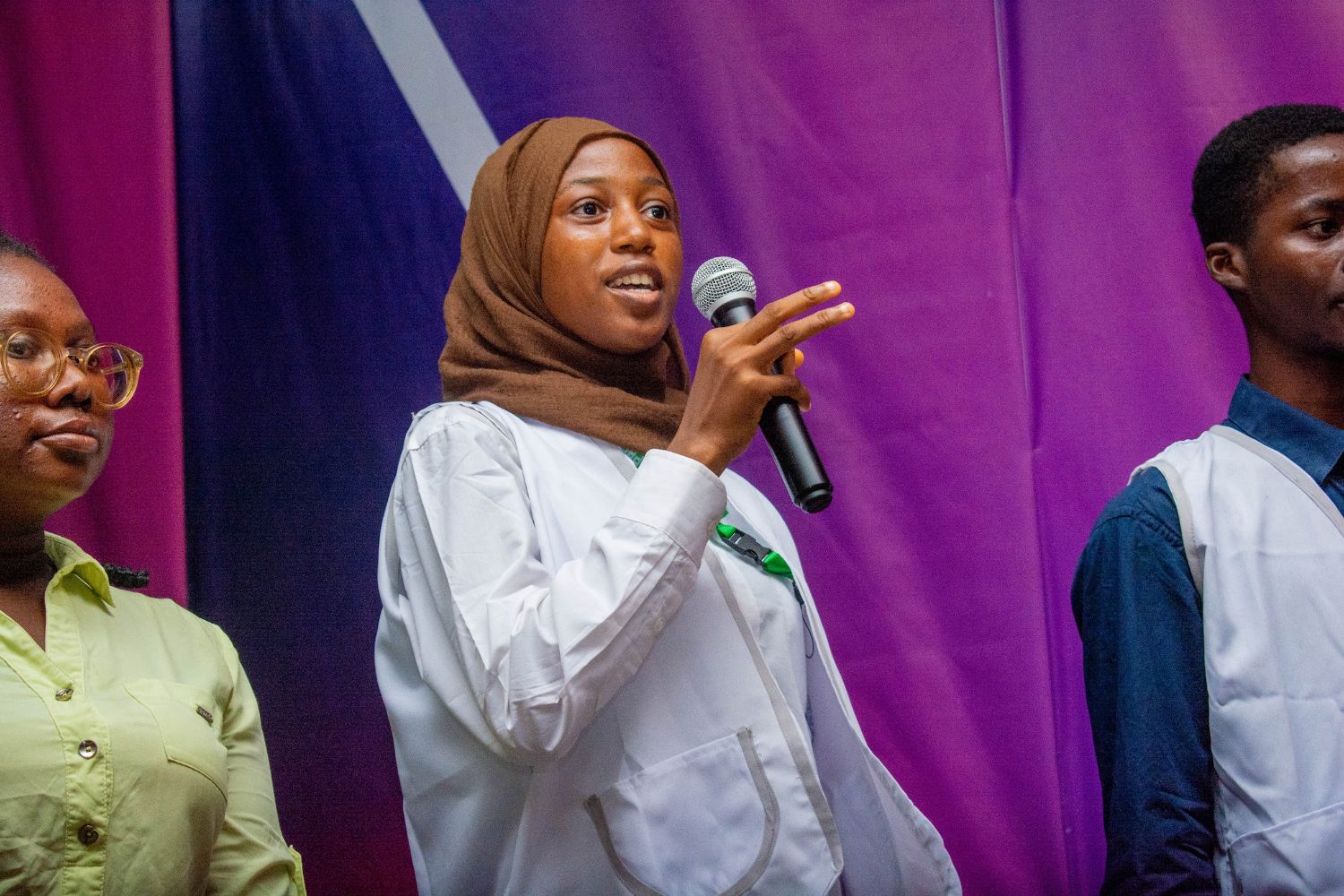
The partnership succeeded by pairing Kwanda's flexible grants with Ashoka's selection process and ongoing support. Ashoka helped identify and select high-potential young entrepreneurs, supported onboarding, and provided a simple structure for accountability and learning throughout the pilots.
Across the grant period, Ashoka convened regular check-ins and organised a WhatsApp group that became a peer-learning space. Grantees used it to share progress, troubleshoot delivery challenges, and exchange practical tools and encouragement.
Together, the result was four pilots that moved from ideas to community-level action. Each entrepreneur finished with clearer execution skills and a stronger track record to build on.
Next steps
Building on this, our community is now voting on a follow-on set of grants to trial the same approach with four more young entrepreneurs and test whether we can achieve similar outcomes in a new cohort.
If passed, these next grants will go directly to locally led pilots, with lightweight reporting and shared learning built in, so we can keep iterating what works, capture clear results, and scale impact responsibly.
That's all!
Please cast your vote by , and if you have any questions regarding the proposal you can reach out to the Kwanda team on team@kwanda.co