

Summary
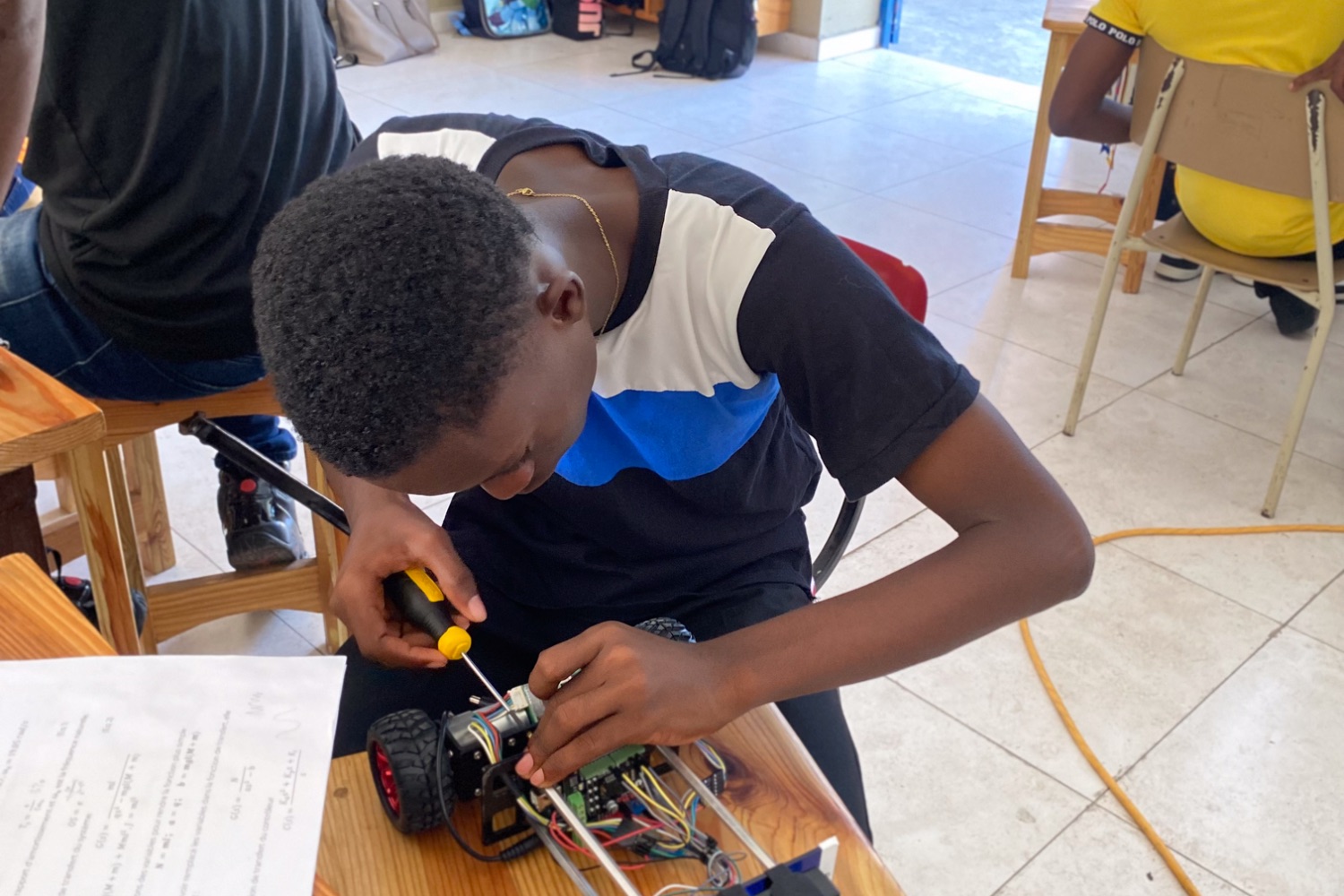
In 2025, we funded Hector Foundation to pilot GEAR Lab, an advanced robotics camp for graduates in Port-au-Prince. Over 2 weeks, 20 students completed 50+ hours of intensive training and every pair built a working mini Segway robot. Student surveys showed significant gains in confidence and understanding of university-level engineering concepts.
This proposal uses $13,700 to fund a full year of GEAR Lab cohorts in 2026, serving 80-120 students across 4-6 cohorts.
The Story
What was achieved
The 2025 pilot exceeded expectations:
20 students completed the full 50+ hour programme
100% completion rate on the final project (mini Segway robots)
Significant survey gains in equations of motion and stabilisation controllers, topics typically taught in third-year mechanical engineering
Strong demand for more, with students asking for follow-up opportunities immediately after the camp
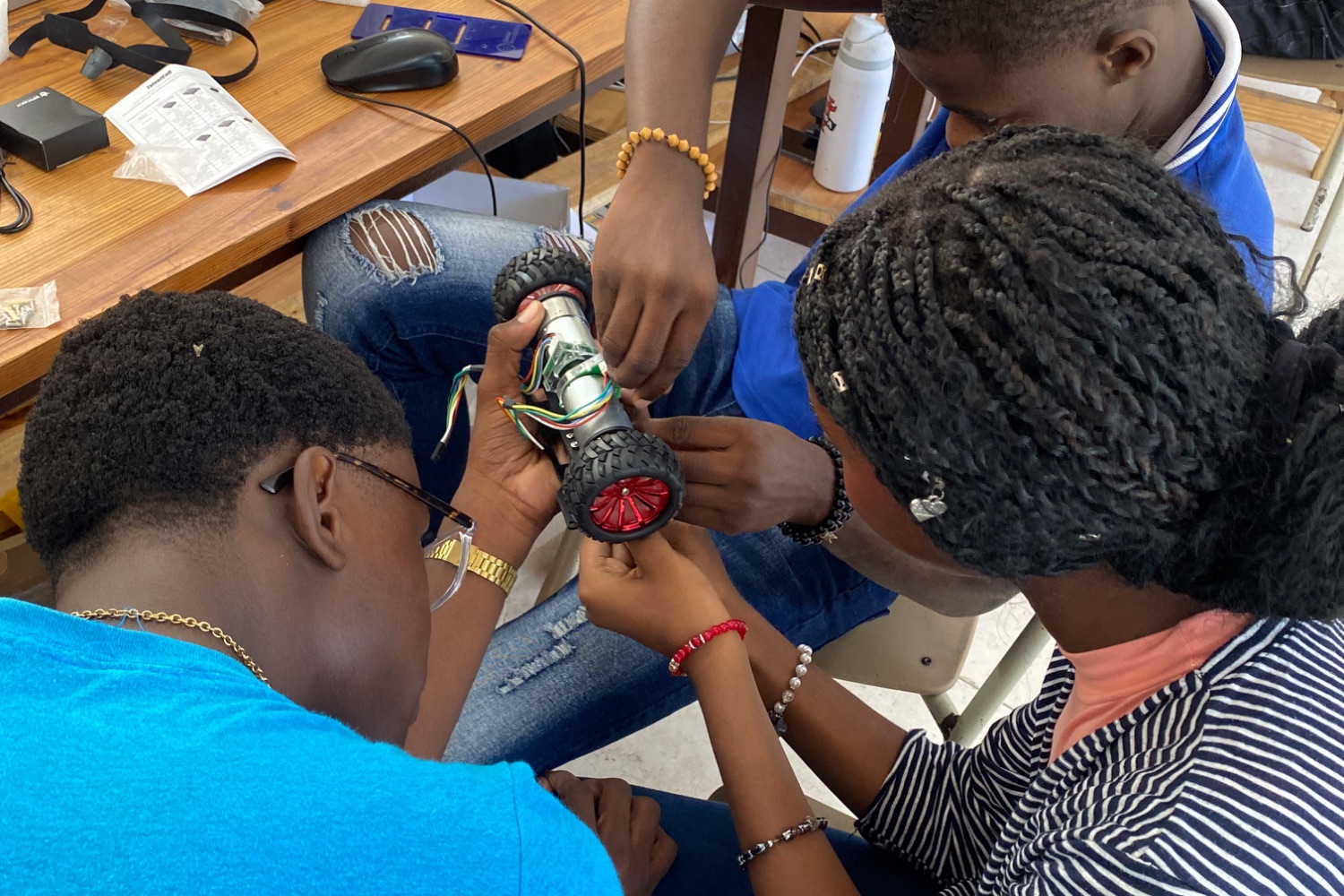
The pilot also revealed something important: many students arrived with gaps in foundational maths and physics that the national curriculum should have covered. Despite this, when given structured teaching, patient mentors, and a makerspace to test their work, they made rapid progress.
Why we're doubling down
The pilot proved the model works. It also showed that GEAR Lab fills a gap beyond what we originally expected.
In Haiti, schools are frequently closed due to insecurity. Even when open, hands-on STEM teaching is rare. GEAR Lab gives students something they can't get elsewhere: a space to apply theory, build real things, and work in teams on challenging problems.
The 2025 cohort asked two questions repeatedly: "When can we do this again?" and "Can my friends join next time?" Demand is there. The team is experienced. The curriculum is tested. Scaling up now means more students get access while the momentum is fresh.
What this phase will do
Over 2026, Hector Foundation will run 4-6 GEAR Lab cohorts, alternating with DRILL sessions to maintain a pipeline from introductory to advanced training.
Each cohort will:
Serve 20 students over four weeks (40-50 hours)
Cover control theory, simulation, and hands-on robotics
Culminate in teams building and demonstrating stabilisation robots
This phase adds:
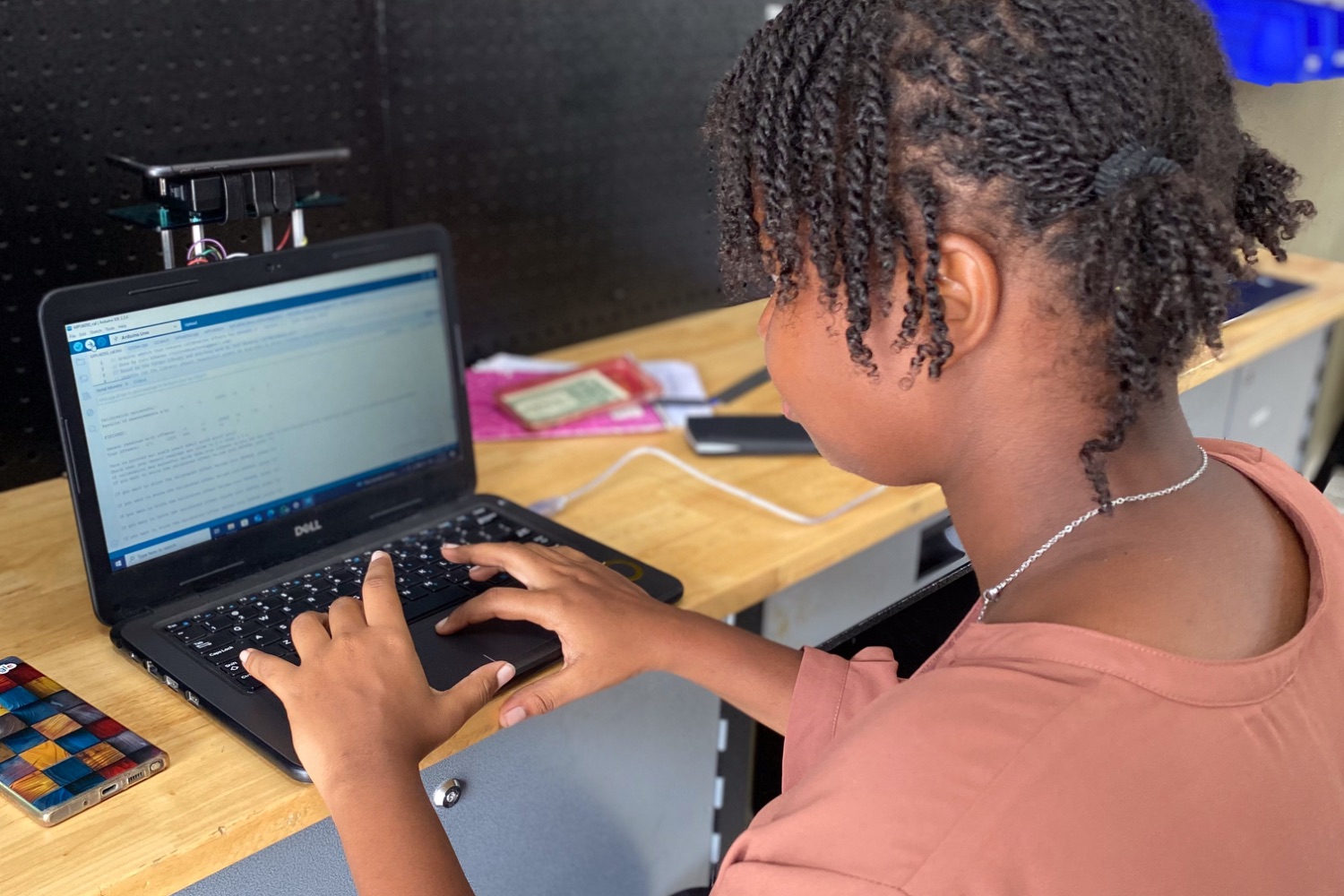
Loaner laptops for students without devices
Portable internet routers as backup when school networks fail
By December 2026, 80-120 DRILL graduates will have completed advanced robotics training.
That's all!
Please cast your vote by , and if you have any questions regarding the proposal you can reach out to the Kwanda team on team@kwanda.co