
We fund the things that are still working after the money is gone.
Most money arrives, and then it runs out.
Food. Kits. A training course. A stipend that lasts six months. Real help, right when it is needed.
But once it is used, there is nothing left for the community to keep drawing on. It meets this month's need, not next year's.
So we fund the things that keep producing.
A clinic that opens every morning. A borehole a school maintains itself. Sewing machines still running three years on. A cooperative registered in its members' own names.
Bought once. Producing consultations, water, income and training years later. The community holds the capacity, not just the output.
Who owns it is not the test.
Public benefit is.
We fund charities, community organisations, cooperatives and companies on the same terms, as long as a named low-income community is measurably better off, and that benefit is the purpose, not a side effect. We do not fund individuals.
We build on experience.
We fund organisations already doing the work. Through experience, they’ve learned what works, what things really cost and how to use their resources well. Our funding helps them build on those lessons, with equipment and infrastructure that lets them do more.
What makes something worth funding for us.
Six tests. A strong project meets all of them.
- Permanence
- Public benefit
- Self-sustaining
- Productive output
- Stewardship
- Experience
What we fund within.
Six areas. The thing being bought has to pass the same tests in all of them, so the area matters less than the shape.
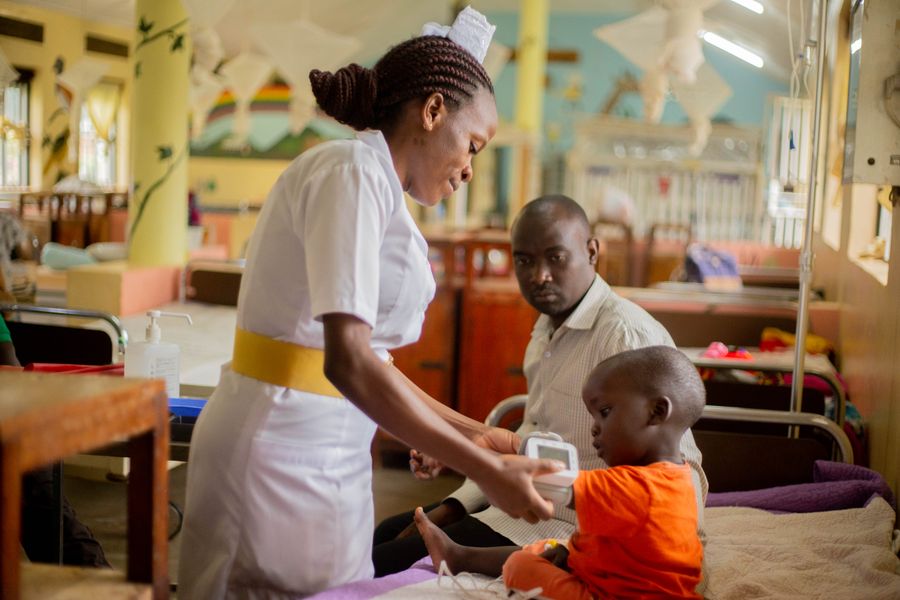 Health
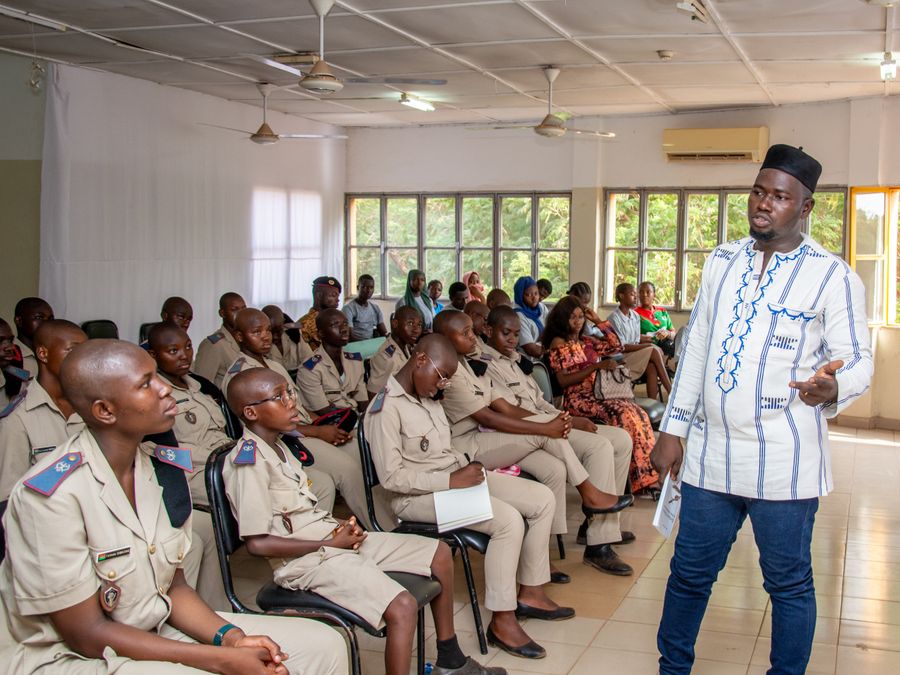 Education
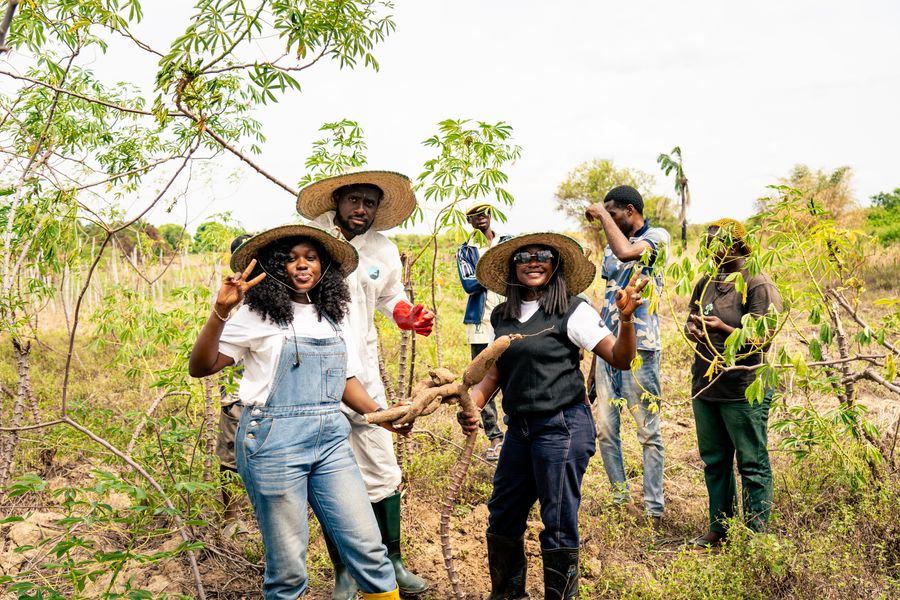 Agriculture
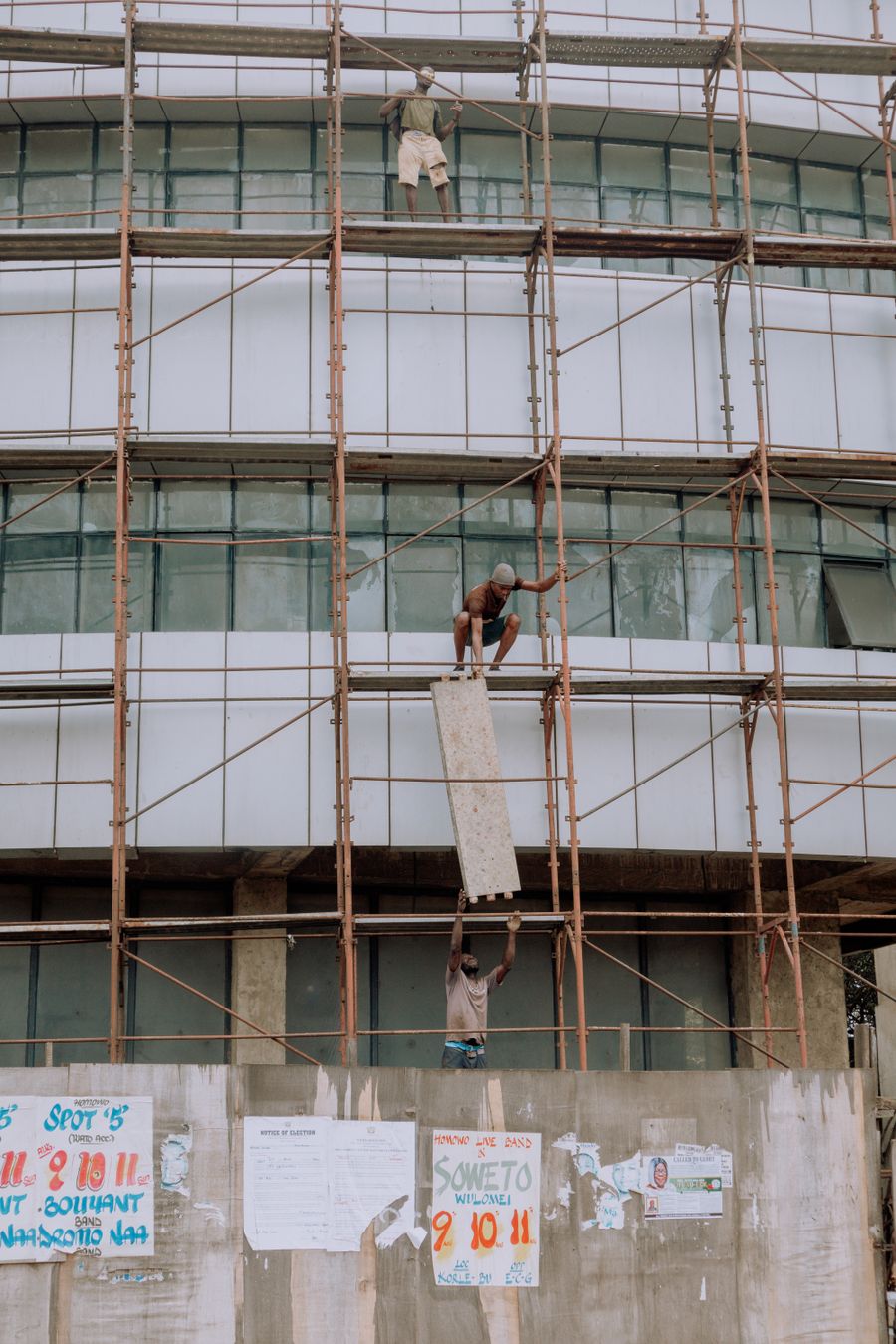 Infrastructure
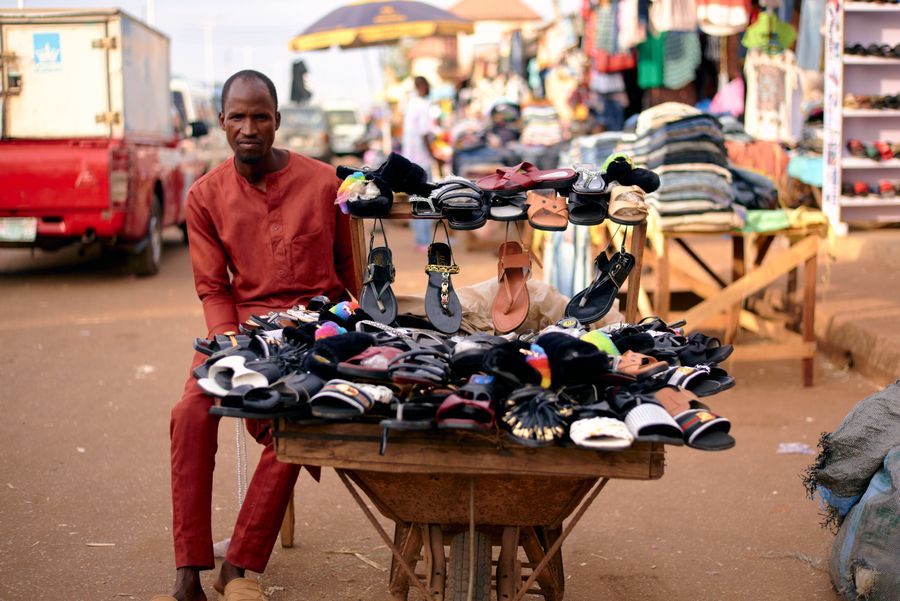 Enterprise
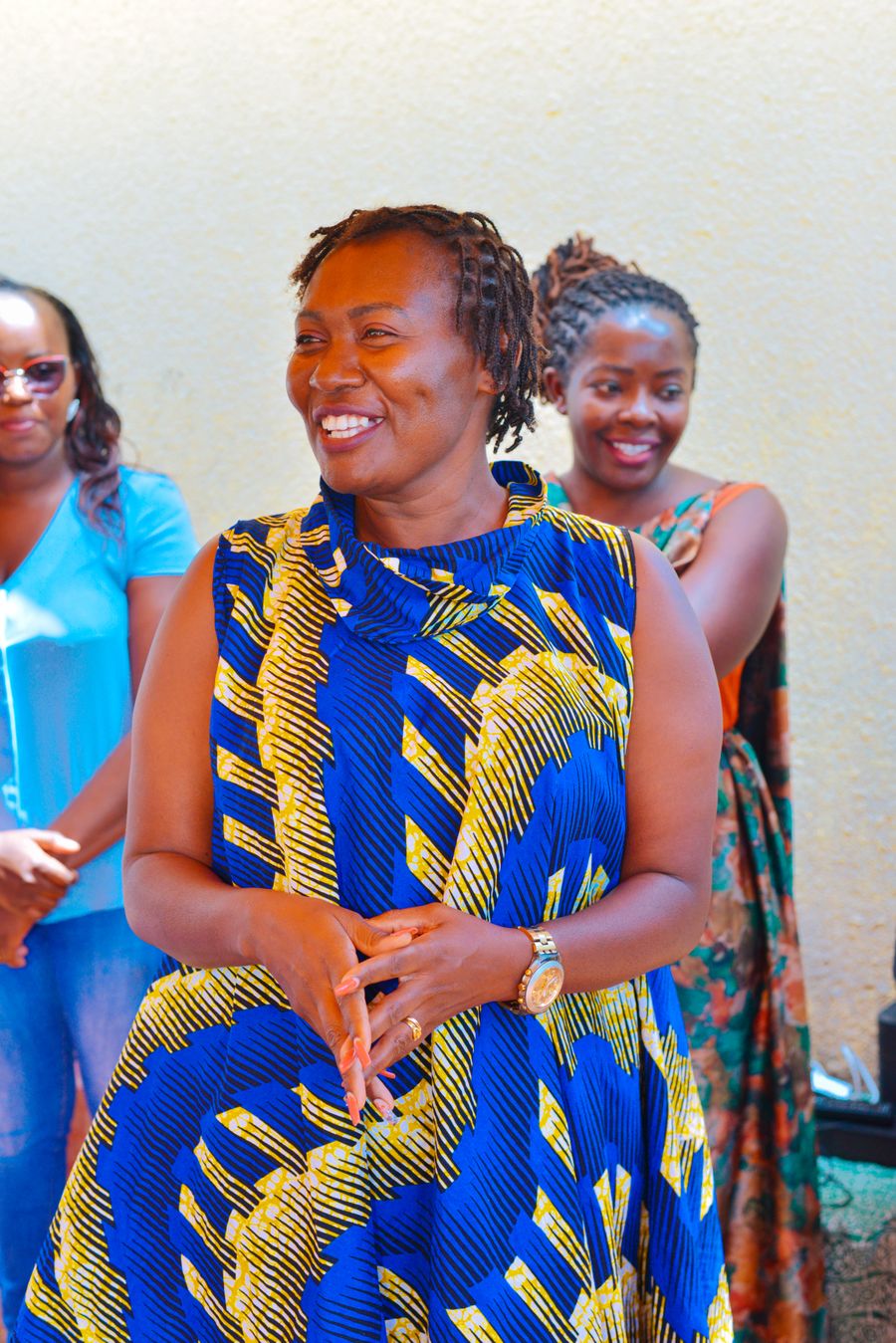 Equity
What a fundable project looks like.
Three examples of the shape we look for: things bought once, that go on producing long after our funding stops.
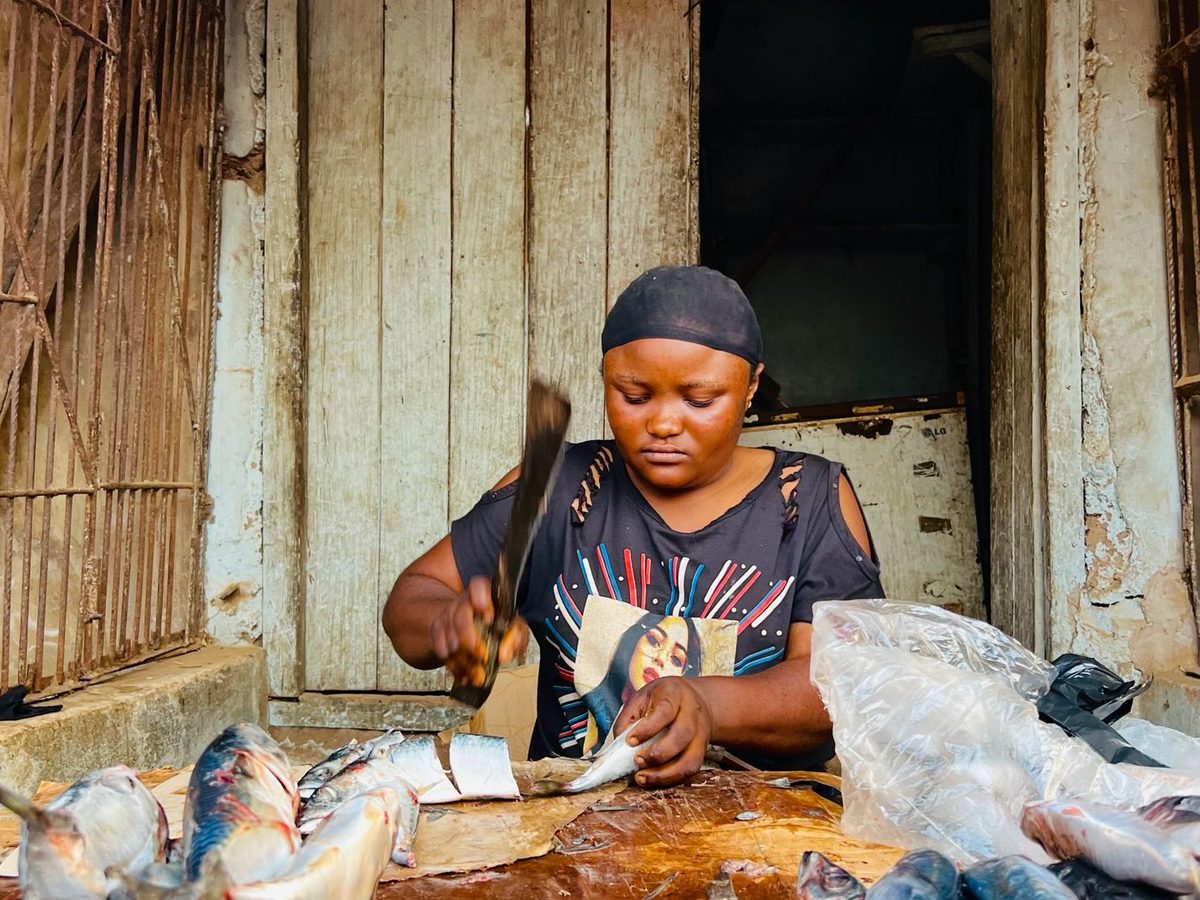
A cold store at a fishing landing site
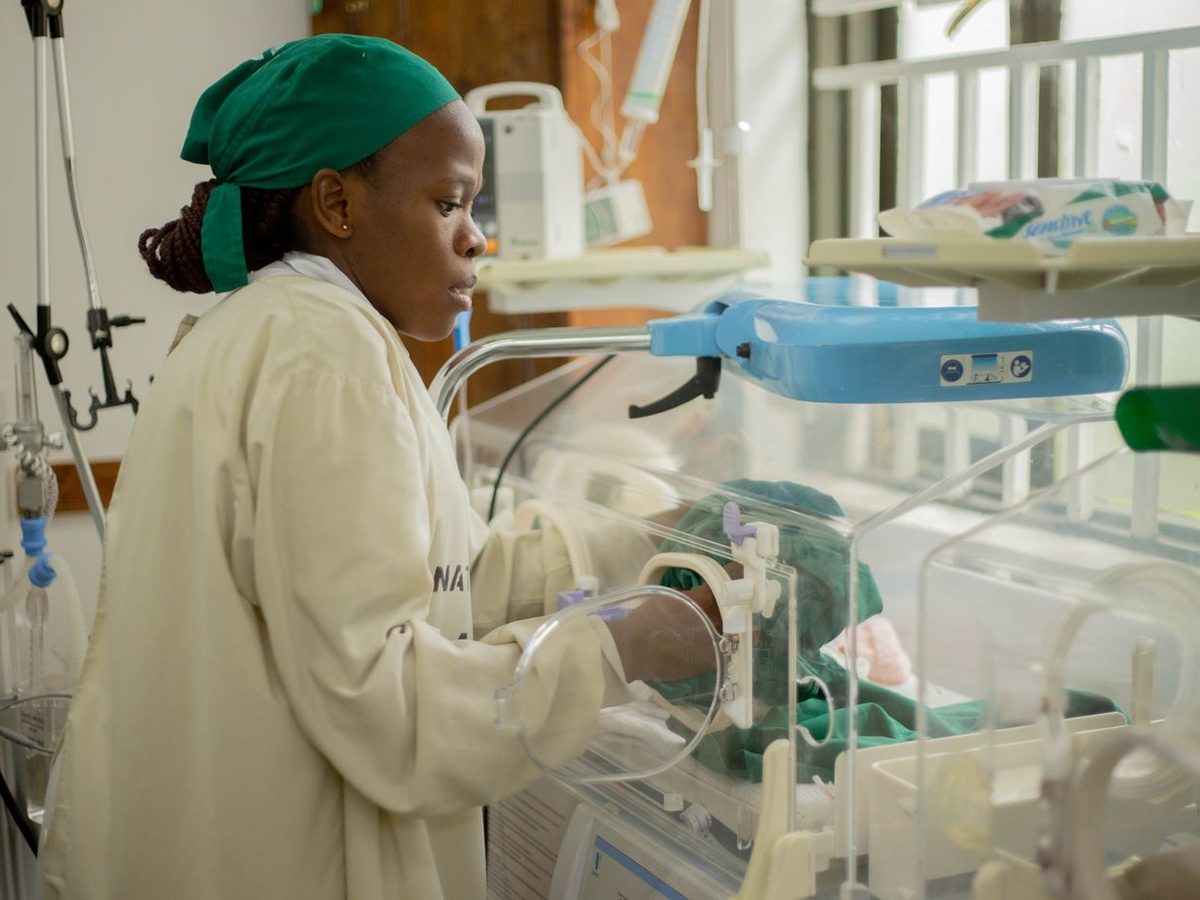
A maternity room added to a working clinic
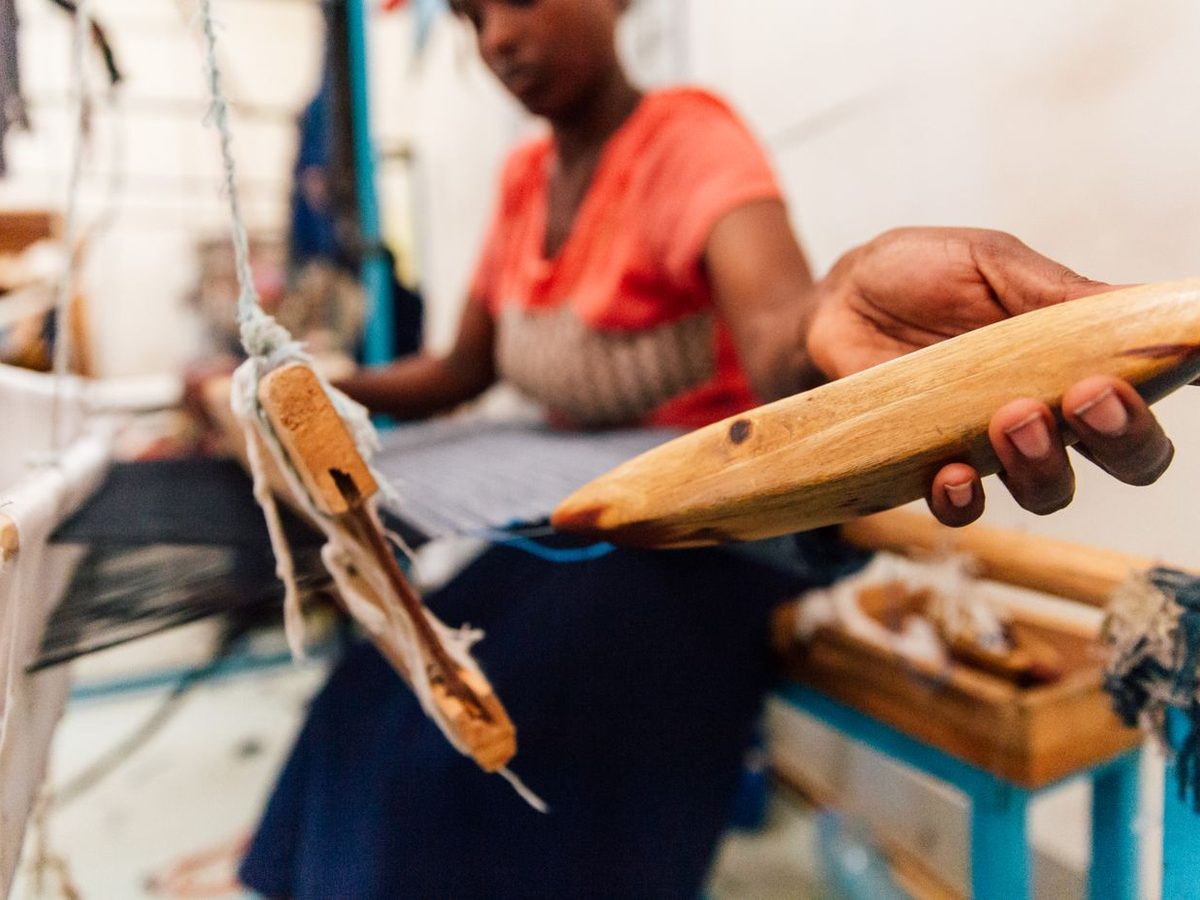
Looms held by a weavers’ cooperative
* Illustrations rather than funded projects, written to show the shape, not to describe work we have paid for. Our real projects are on the projects page.
Where we have come from.
Since 2019, members have funded 68 projects, deploying $312,211. Some of that money bought things that are still running today. Some answered something urgent and then ended, which was the right call at the time.
The thesis is what we have learned to look for. It is where new funding goes, and existing projects are moving toward this shape over time, not all at once.