
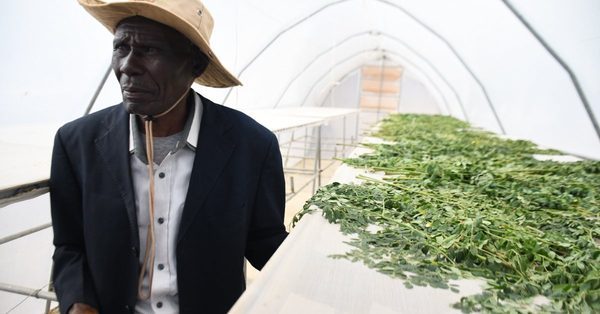
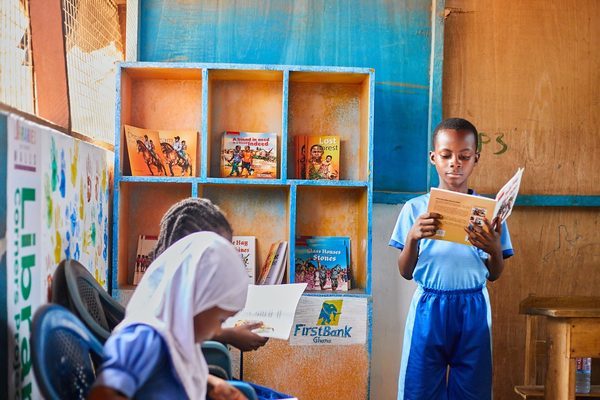
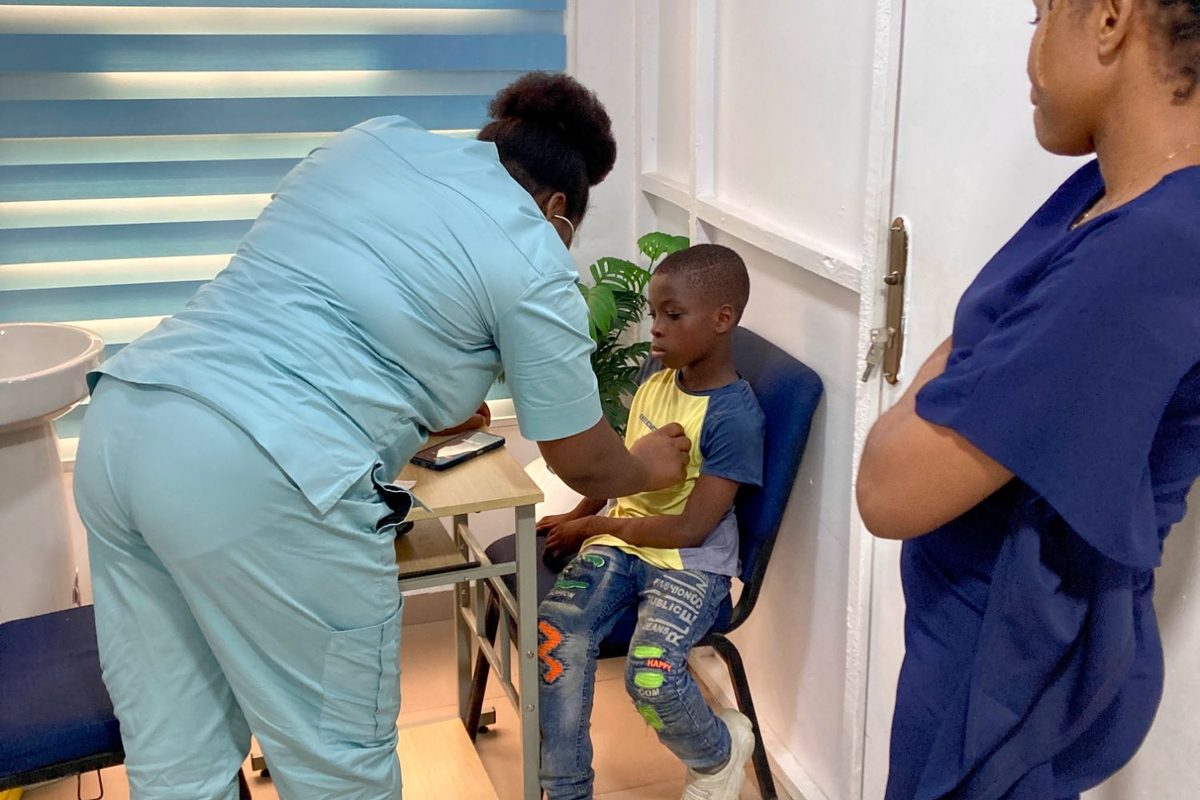
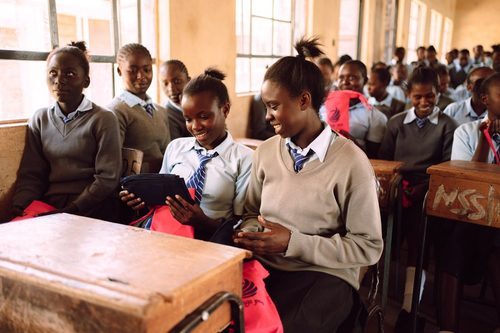
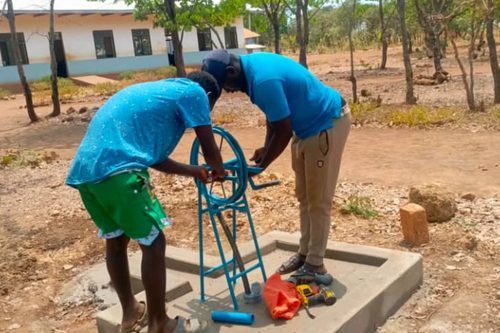
We have the talent, the energy and the ideas. What we have been denied is capital that flows on our own terms.
Traditional aid
Decisions made abroad. Reporting upward. The people closest to the problem treated as recipients.
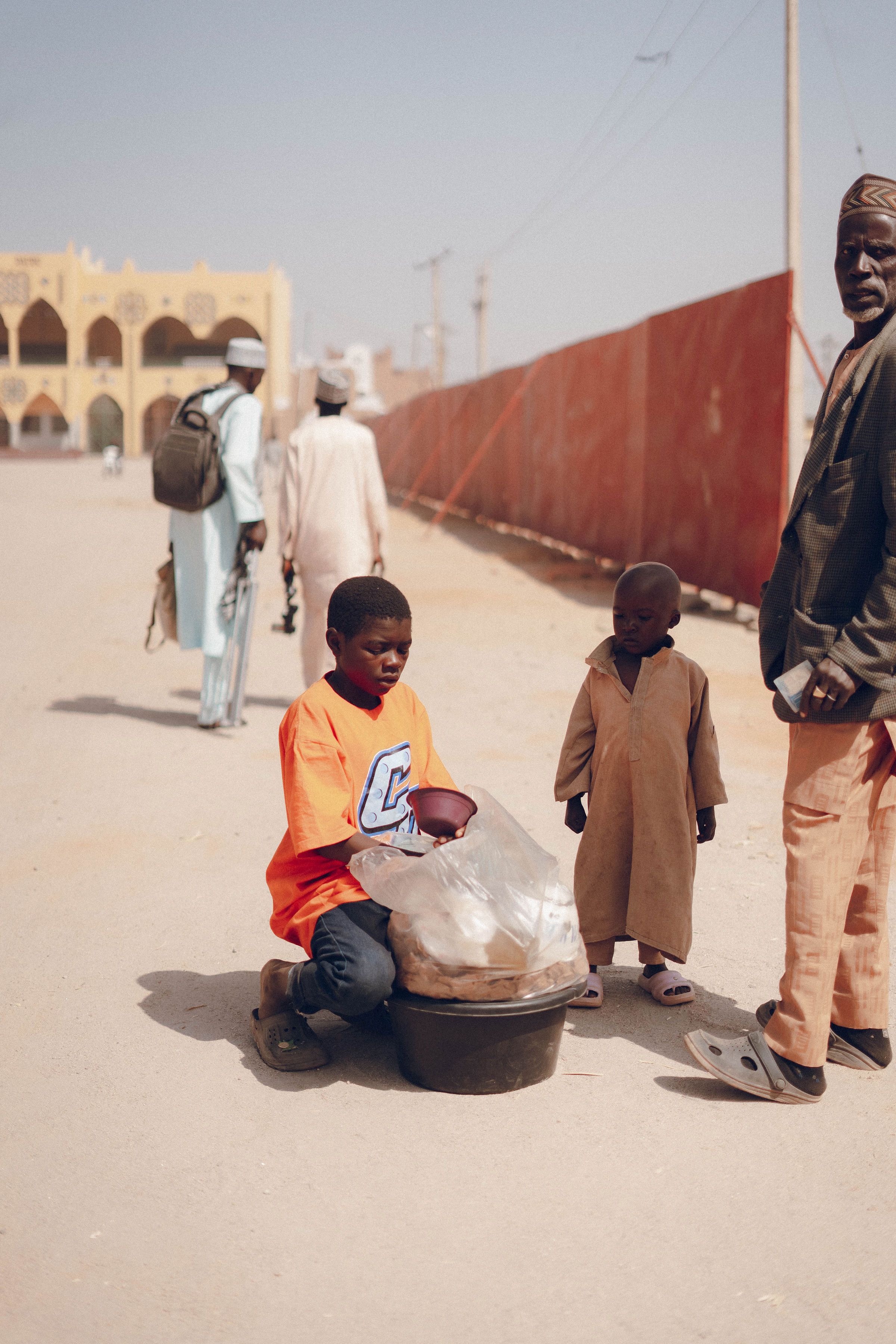
Kwanda
Decisions made by the members. Reporting to peers. The people closest to the problem acknowledged as drivers.
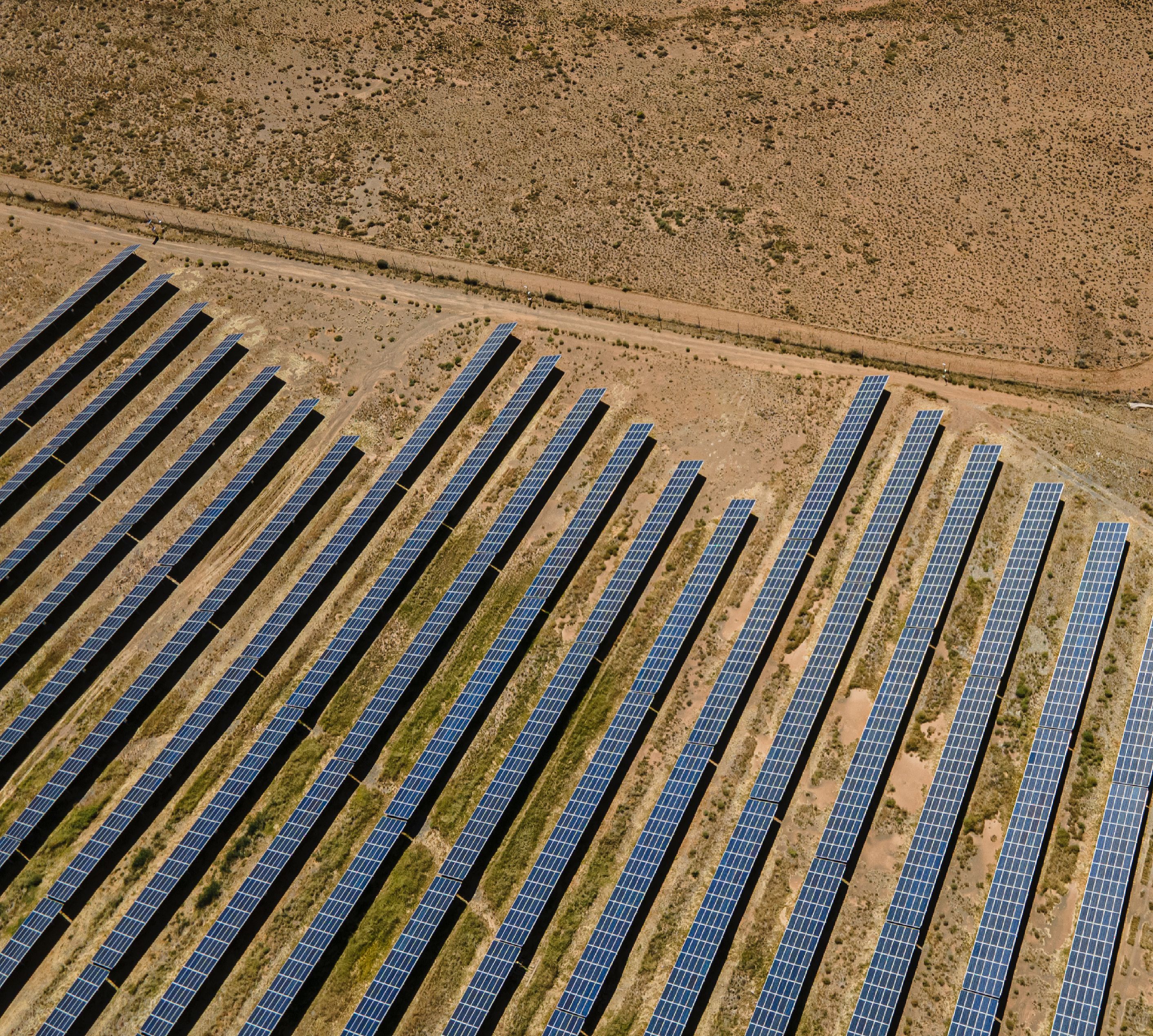
So we pool our money, and we fund our own.
The platform
Welcome, Amara
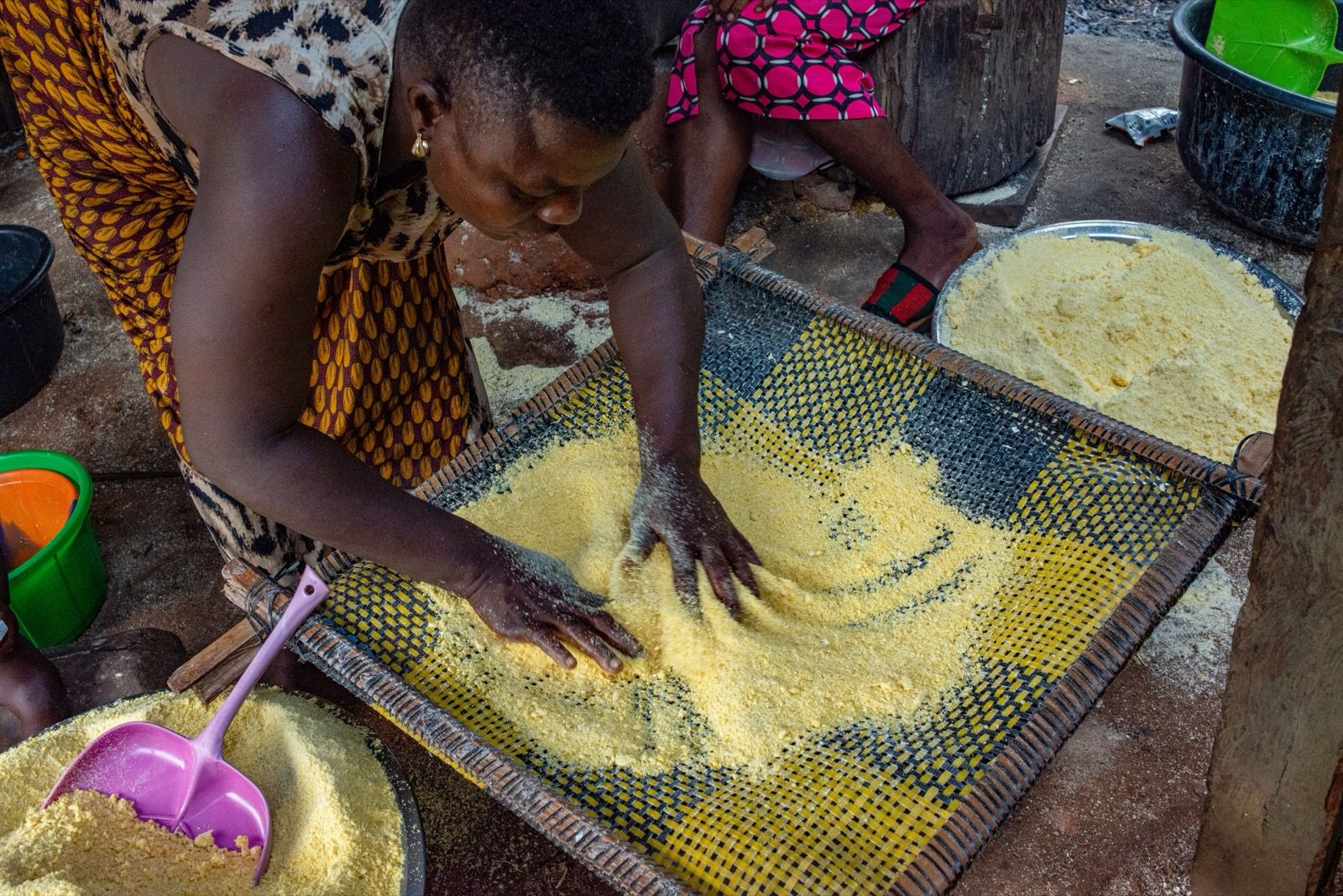 Solar mill, Salima farmers’ cooperative
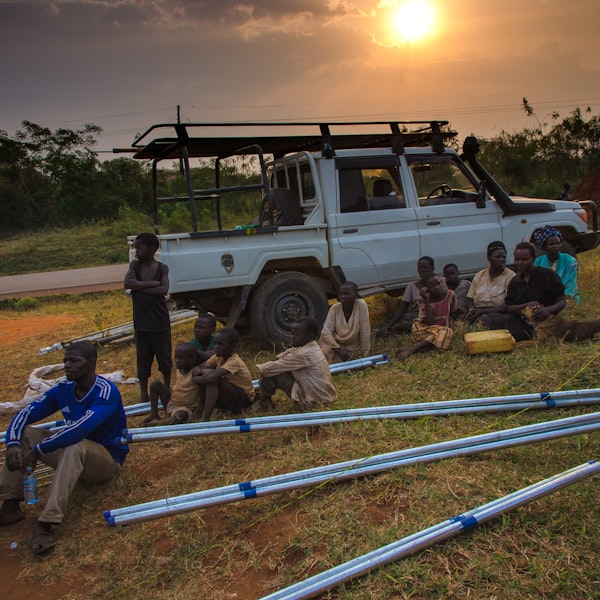 Borehole at Nkwanta Senior High
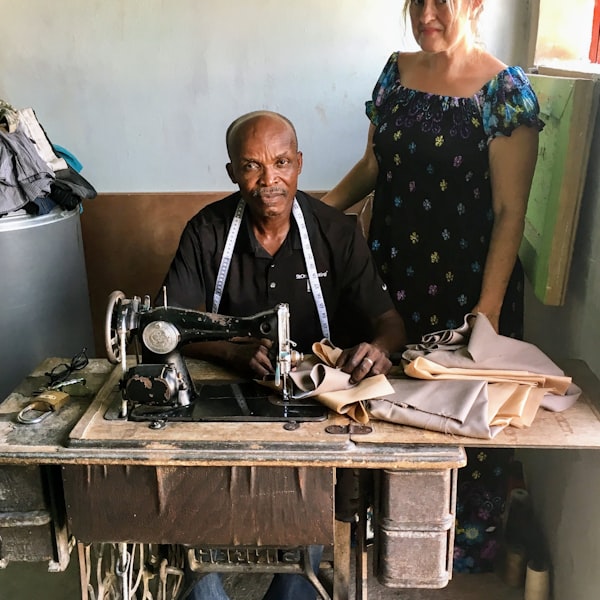 Sewing workshop, Kitwe
A monthly contribution of at least $5 makes you a villager. It funds Kwanda's projects and it carries a vote. Cancel or pause it whenever you like.
Cast your vote
We've drafted a proposal to fund a solar maize mill for the Salima farmers' cooperative.
Proposals go to the members before a penny moves. Every villager has one vote, whether they give $5 a month or $50.
- Google Workspace -$33.23
- Salima Cooperative -$11,255.16
- Wise -$3.64
- Contributions and Donations +$1,740.15
- Ngong Water Kiosk -$5,225.61
- Notion -$38.59
Villagers see the real-time bank transactions, the monthly income, the cash holdings and the running costs. Not a summary of them, the ledger itself.
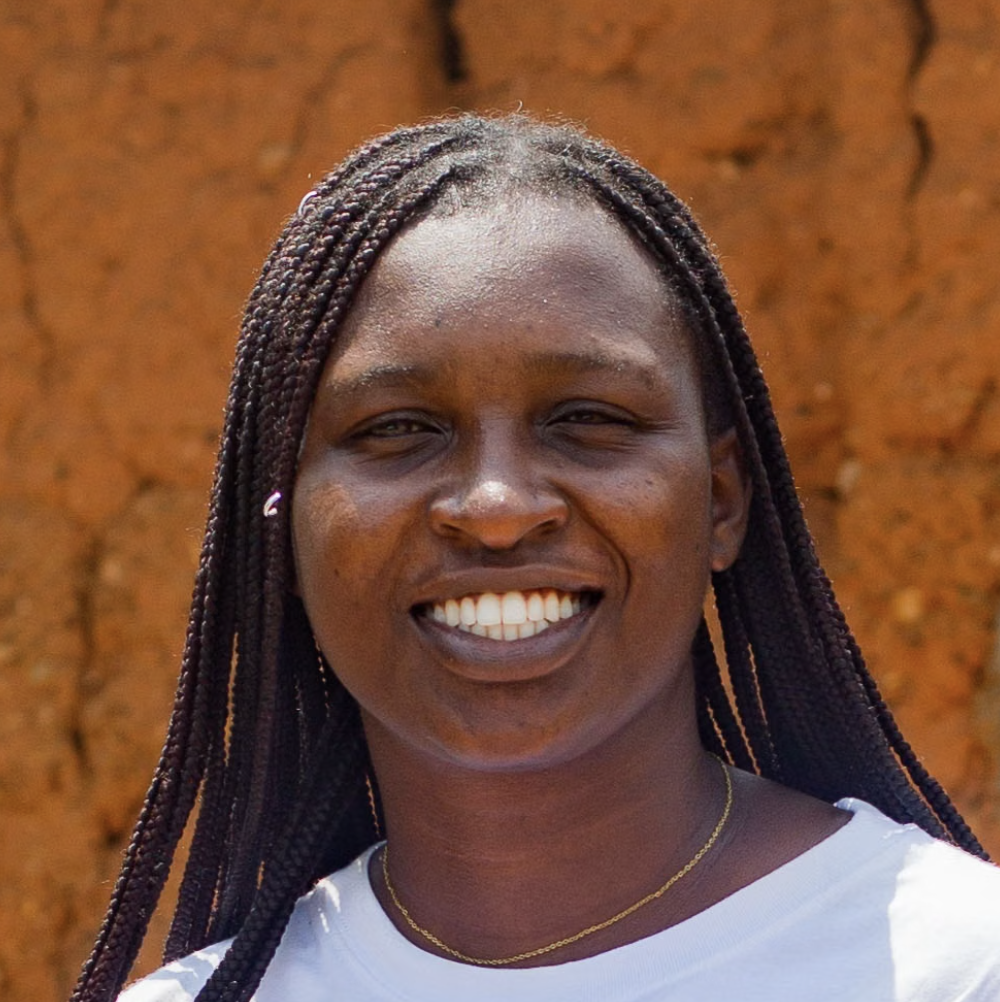
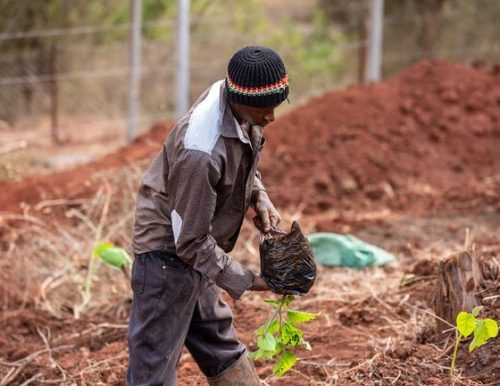
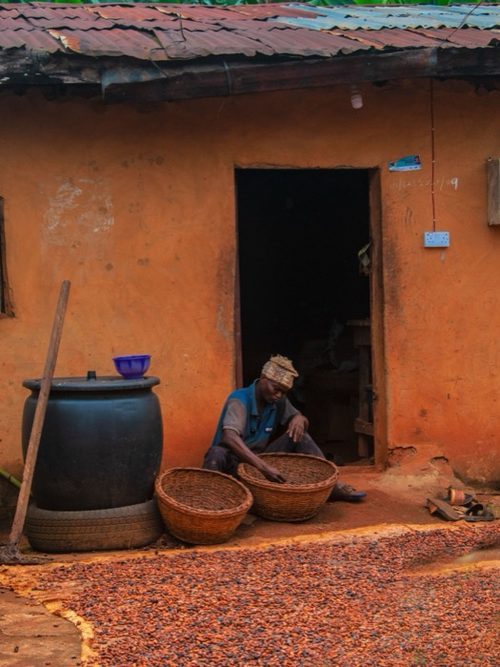
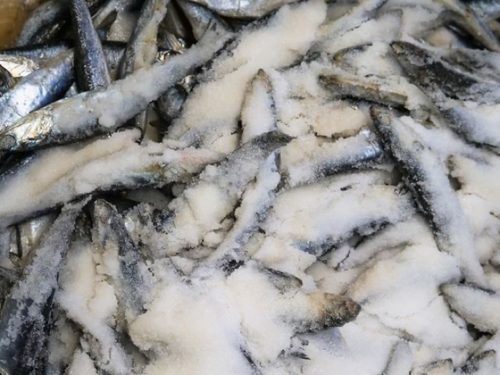
The mill ran every day in June, and nobody walked to town to grind
The mill ran every day but two in June. 42 households ground 6.4 tonnes of maize, and none of them made the 14km walk to Salima, where the queue takes a morning and the price is double.
Every funded project reports as it is built, in the partner's own words and photographs, back to the people who paid for it.
Financial transparency
Our running costs are close to fixed, so every villager who joins moves this further to the left.
- Monthly contributions $20,838
- Cash on hand $28,554
- Monthly fixed costs $6,275
- Cash deployed to date $316,280
Our leadership
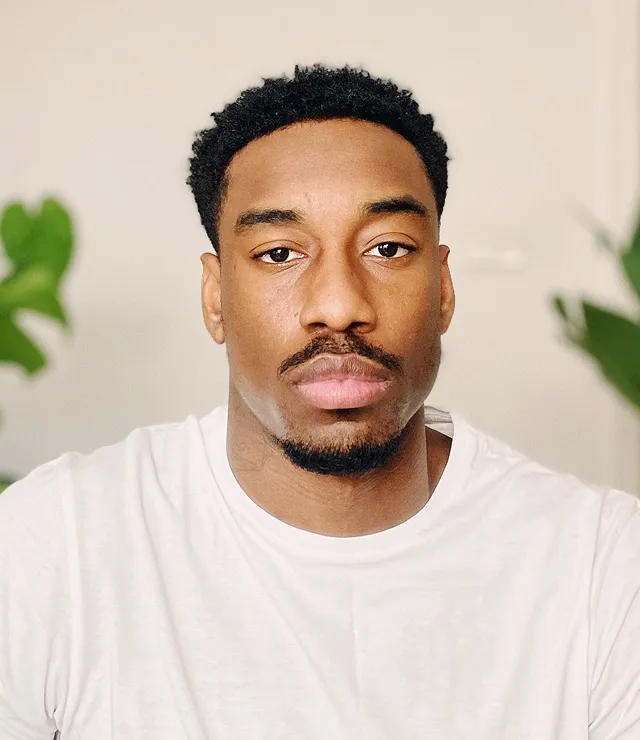
Jermaine Craig
Director

Izzy Obeng
Board member
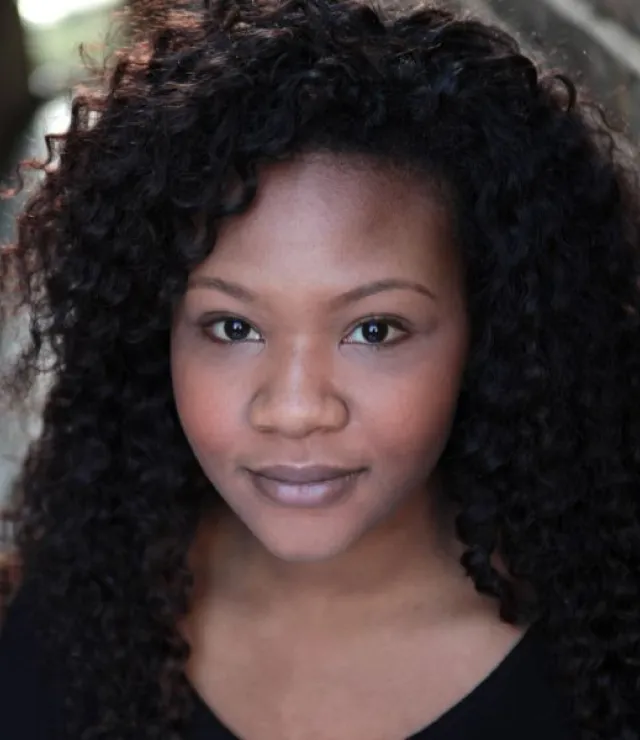
Lynne Egwuekwe
Board member
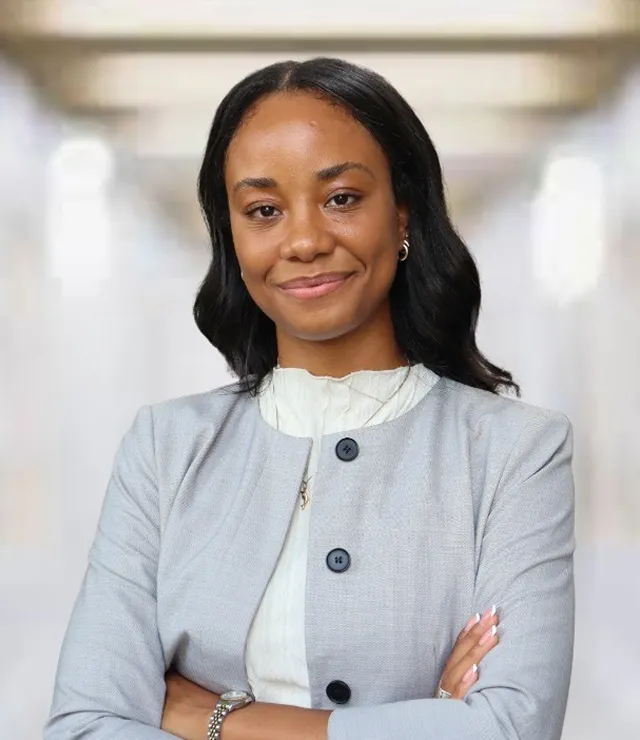
Anne-Caroline Midy
Board member
Our legal structure
United States
Kwanda Inc is a 501(c)(3) incorporated in Maryland. Contributions made through Every.org, including recurring contributions, are tax-deductible in the US, subject to your circumstances.
United Kingdom
Kwanda Ltd is a UK non-profit company limited by guarantee. It is not a registered charity, so contributions made to it are not tax-deductible or eligible for Gift Aid.
One board, one set of projects, on both sides of the Atlantic.
Ways to give
Become a villager *
From $5 a month. Funds the projects, carries a vote, opens the ledger.
Join nowGive once **
A single contribution to Kwanda, with no monthly commitment.
Make a tax-deductible gift (opens in a new tab)Give through work
Many employers match. Benevity in the UK, Every.org in the US.
How it worksGive stocks ***
Appreciated shares, given without selling them first. Every.org receives and liquidates them.
Give stocks (opens in a new tab)Give crypto
Over 90 tokens through Every.org, converted to cash on receipt.
Give crypto (opens in a new tab)Give from a DAF
Recommend a grant to Kwanda from a donor-advised fund you already hold.
Recommend a grant (opens in a new tab)Give as a network
Bring your network. Members join individually under its name, and the page counts them.
Start a tribeGive as a business
A company giving in its own name, from $25 a month, with a vote like any other villager.
Add my business
- * Monthly pledges create a villager account and are processed by Kwanda Ltd through its UK Stripe account, so they are not tax-deductible.
- ** Contributions made through Every.org, including recurring contributions, are tax-deductible in the US.
- *** Contributions made through Every.org, including recurring contributions, are tax-deductible in the US.
The UK non-profit company and the US 501(c)(3) share the same board and fund the same projects.
Frequently asked questions
See all FAQsWho runs Kwanda?
Our board is responsible for financial oversight and the strategic direction of the organisation: Izzy Obeng, Lynne Egwuekwe, Anne-Caroline Midy and Jermaine Craig, who founded Kwanda.
You can read their profiles, check our directorship and filings on Companies House, or read our constitution, which sets out how we are governed.
Is Kwanda a registered charity?
In the US, yes. Kwanda Inc is a registered 501(c)(3) public charity, with US tax identification number (EIN) 41-2766953.
It's different in the UK, where Kwanda Ltd is a non-profit company limited by guarantee, not a registered charity. Its company number is 12378728.
Both organisations exist to support Kwanda's mission, rather than pay profits to shareholders. You can check our UK company record and Every.org profile.
What does Kwanda fund, and where?
We fund things that local organisations can keep using for years, such as equipment, water systems and buildings. We work with organisations that already have experience serving their communities.
Villagers have backed projects across Africa and the Caribbean. You can explore the projects to see where that funding has gone.
Some of our older projects met urgent needs, but our focus now is on things that keep working after the grant ends. Our funding criteria explain what we're looking for.
Is my contribution tax deductible?
It depends on how you give, as well as your own tax position.
If you join as a villager, your monthly contribution goes to Kwanda Ltd in the UK. These payments don't qualify as US charitable tax-deductible gifts, and we can't claim UK Gift Aid on them.
If you give through Every.org, your gift can qualify for a US charitable tax deduction, whether you give once or regularly. Every.org provides the receipt, but giving this way doesn't create a villager account.
If you're unsure what you can claim, it's best to check with a tax adviser.
How can I follow spending and project progress?
You can follow the money in our public ledger, which records income and spending. To see what's happening with the work itself, visit the project pages or read our latest report.
Before funding a project, we agree with the partner what to track. That might be how many people use a service, whether equipment is being used or how much income it earns.
The ledger shows when money was sent, while project updates explain what happened next. Those updates come from partner reports, so they aren't a live view of the work.
Does all my contribution go to projects?
Some of it pays for running Kwanda, including the team, tools and payment costs. These costs come from the same shared pool as project funding, and the split changes over time rather than being a fixed percentage of each contribution.
You can see what we spend in the public ledger. Our fixed-costs page also lists regular running costs, though it doesn't cover every expense.
How does voting work?
As an active villager, you have the same say as everyone else, however much you contribute.
Each proposal explains the plan, the budget and when voting closes. Once you've read it, sign in to cast your vote. You can vote once on each proposal and see the results on its page.
When a proposal passes, that approves the funding. The money still needs to be sent and the work carried out.
How do you choose projects for a vote?
Before asking villagers to vote, we look closely at the organisation, what it wants to do, what it will cost and its experience doing similar work.
There are six things we're looking for:
Something that lasts.
A clear benefit to people on low incomes.
A way to cover running costs after our funding ends.
Useful results, such as care, water or income.
People who can manage and maintain it.
Experience doing the work.
The local organisation leads the project. You can read more about how we assess it in our funding criteria.
Can I suggest a project?
Yes, you can use the suggestion box on your villager dashboard to tell us about a project and why you think it's a good fit for Kwanda.
Suggesting a project doesn't guarantee funding. It still needs to meet our funding criteria and pass a villager vote.
Can I choose where my monthly contribution goes?
Your monthly contribution joins everyone else's in a shared pool, so you can't reserve it for a particular project or country.
You do have a say in which proposals receive funding: you vote alongside the other villagers, with the same voting power however much you give.
That shared pool also pays for the work needed to run Kwanda.