

Supporting small businesses with revolving microloans
Introduction
Our revolving microloans programme will support local businesses and entrepreneurship.
We will partner with local organisations and socially driven lenders to provide no-interest, revolving loans.
Small business owners in these groups also receive training in financial literacy and business management.
Why is this programme necessary?
Small businesses are vital economic engines in local communities, but many struggle to access traditional financing. High interest rates, complex application processes, and collateral requirements create barriers for entrepreneurs who need modest capital to start or grow their businesses.
By providing no-interest microloans through trusted community partners, we can help bridge this financing gap. The revolving structure means that as loans are repaid, those funds become available to support other entrepreneurs - creating a sustainable cycle of local economic empowerment.
When combined with financial literacy and business training, these microloans give entrepreneurs the resources and knowledge they need to build sustainable enterprises that create jobs and strengthen their communities.
Objectives
- Offer accessible loans to underserved entrepreneurs
- Support financial literacy and business management capabilities
- Create sustainable loan funds that revolve within communities
- Promote local economic development and job creation
How loans will be structured
Below are the terms for the loans we'll be providing:
- Loan sizes: Partner to define based on local context
- Repayment period: Flexible based on business type
- Interest rates: No interest
- Repayment frequency: Partner to define based on programme structure
- Small business owners or entrepreneurs
- Demonstrated business concept or existing business
- Commitment to participate in training programs
- Good standing in the community
The metrics we'll track
Group level metrics
For each lending group, we'll track the following metrics:
Individual level metrics
On an individual level, we'll aim to track the following:
Soft metrics
We will also track qualitative indicators such as changes in financial literacy, business confidence, and community economic resilience. Additionally, we will document both successes and challenges of loan recipients and their businesses. These softer metrics help us understand the broader social impact of the programme beyond the numbers.
Partnership Model
Kwanda's Role
- Provide initial loan capital
- Cover operational costs for program implementation
- Offer program framework and guidelines
- Monitor program effectiveness
- Provide technical support and best practices
- Facilitate knowledge sharing between partners
Partner Organization Responsibilities
- Screen and select qualified loan recipients
- Distribute loans according to agreed criteria
- Manage loan repayment collection
- Maintain accurate loan portfolio records
- Recycle repaid loans to new recipients
- Deliver financial literacy training
- Provide basic accounting education
- Offer budgeting and savings guidance
- Conduct business management workshops
- Provide ongoing mentorship
- Maintain detailed records of all program activities
- Submit regular reports on program metrics
- Ensure compliance with local regulations
- Manage client relationships
- Handle dispute resolution
Knowledge Capture Framework
To continuously improve our microloan programme and build institutional knowledge, we implement a structured approach to capturing insights and learnings:
- Loan recipient profiles and demographics
- Business types and sectors
- Loan utilization patterns
- Repayment behaviors and trends
- Training attendance and engagement
- Support service usage
- Business growth metrics
- Income changes
- Employment creation
- Financial behavior changes
- Community economic indicators
- Success stories and case studies
- Best practices in loan management
- Effective training methodologies
- Common challenges and solutions
- Partner feedback and recommendations
- Program adaptation needs
- Innovation opportunities
Sample profile
Here's a sample profile of a loan recipient:
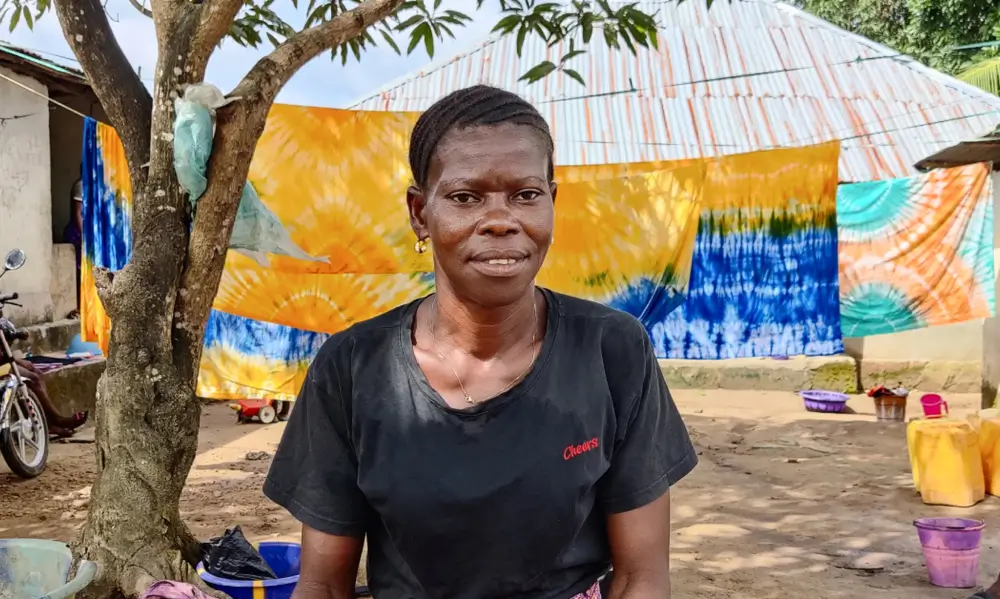
Isatu's story
Isatu is 40 years old and from Sierra Leone. She runs a business selling rice, charcoal, oil, vita and other items. Fifteen years ago, she opended her shop. She sells Monday through Saturday and uses a car to transport supplies to her business site. This financing will be used to buy more rice, charcoal, oil, vita and other items to sell to repay her loan installment and increase her income.
Markers of success
For this programme to be successful, we'll aim to achieve the following:
- Minimum 90% loan repayment rate
- Demonstrable business growth for > 70% of recipients
- Demonstrable job creation
- Sustainable loan fund recycling
Outro
Thank you for reading this guide. If you have any questions, please refer to our FAQ page.