Reintegrating former child soldiers in DRC through vocational training
In Progress
Fund capital used
$2,650
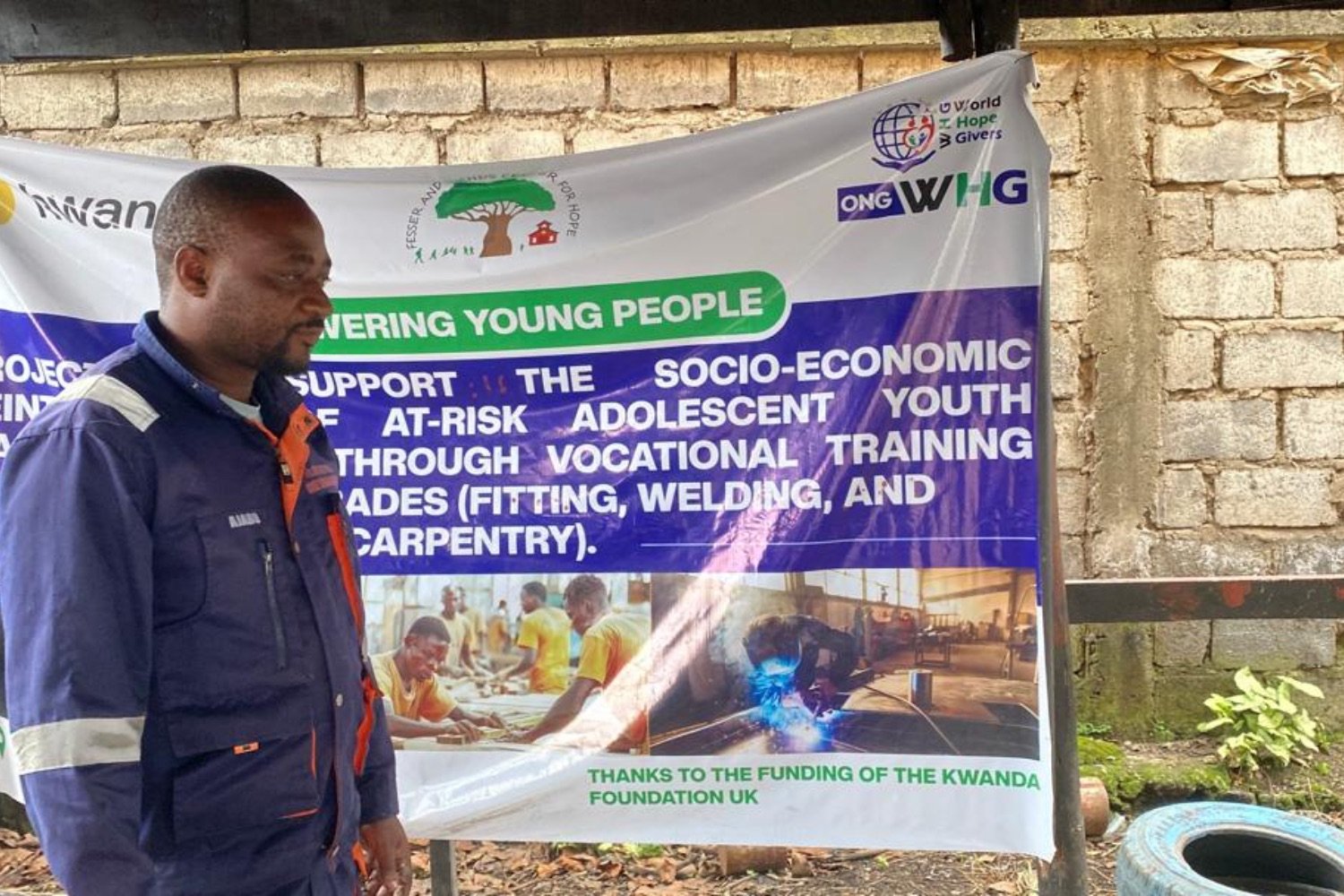
Through hands-on vocational training in welding, carpentry, and fitting, alongside psychosocial support and structured daily routines, the project helps former child soldiers in Eastern Congo rebuild confidence, gain practical skills, and move towards stable livelihoods. The goal is to reduce the risk of re-recruitment into armed groups and open pathways into dignified work and community life.
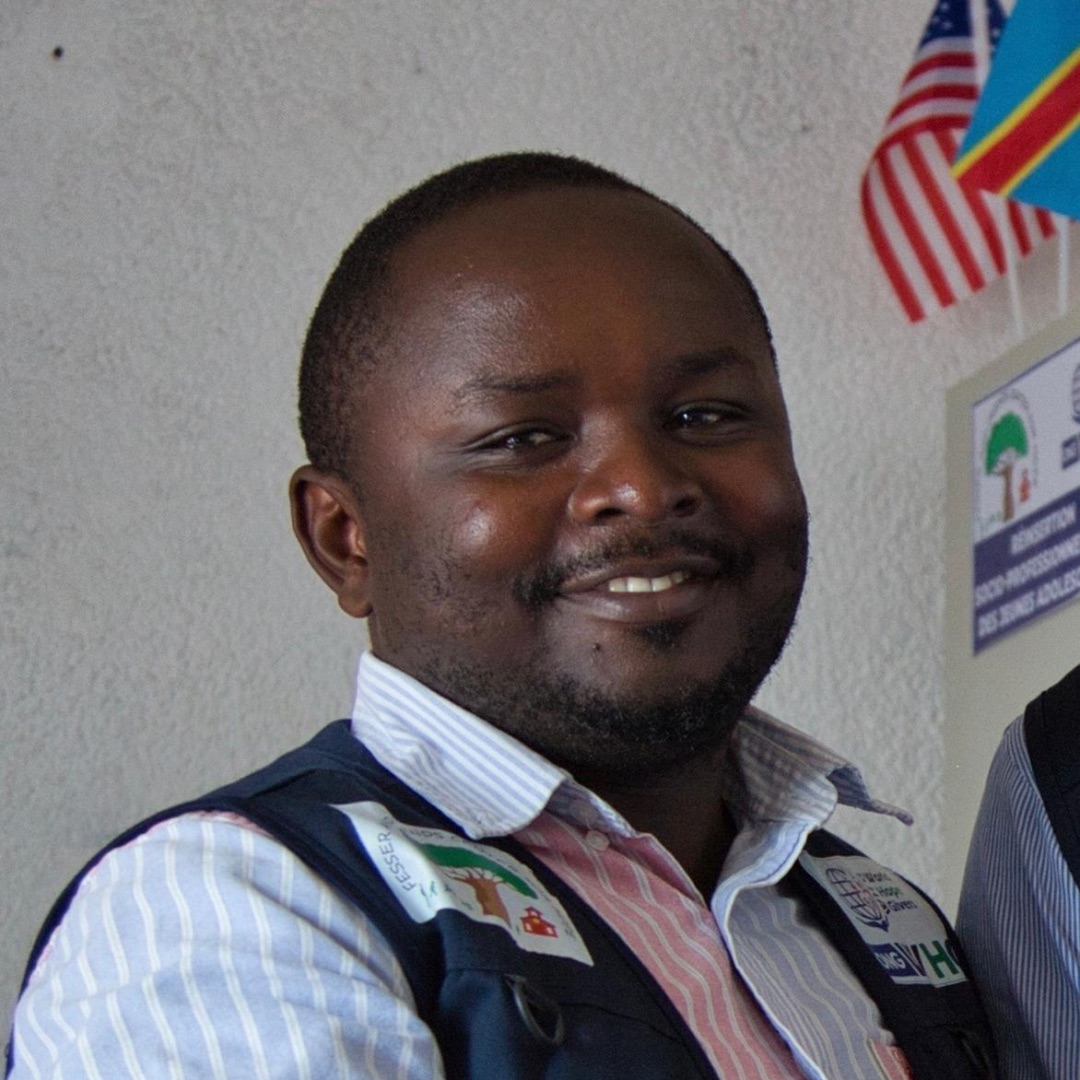
This project grew out of the work of Alain Bayongwa, founder of World Hope Givers (WHG), an organisation based in Eastern DRC.
Alain has worked with emergency doctor Nicolas Fesser (Fesser & Friends) for years, supporting children affected by armed conflict around Goma. Many were forcibly recruited into armed groups or pushed onto the streets. Most carried trauma and had lost access to education and family.
At a care centre in Goma, the team started with immediate needs: food, shelter, safety, and therapy. Over time, they saw that the biggest turning point came when young people learned a trade they could use to earn money. Welding, carpentry, and metal fitting gave them practical skills and income options (and a reason to stay out of armed groups).
Why this matters
Conflict with armed groups such as M23 has displaced thousands of people in North Kivu, and children are among the most affected. Local estimates suggest that hundreds of children in Goma alone are either ex-combatants or living on the streets with little or no support.
Many of these young people experience ongoing violence, hunger, and exclusion. Existing programmes often provide short-term shelter or rapid reunifications, but do not always ensure that children have the skills and support needed for long-term stability.Without a realistic way to earn a living, some are pulled back towards armed groups, criminal networks, or exploitative work. This project responds directly to that gap by pairing technical training with psychosocial care and community preparation for reintegration.
By investing in vocational skills and emotional healing, the project reduces the risk of re-recruitment into armed groups and supports dignified, sustainable incomes through small cooperative businesses. It strengthens community cohesion by preparing families and neighbourhoods to welcome young people back, and puts children's rights into practice through access to education, protection and development opportunities.
What this project will change
Over three months semesters, cohorts of young people will transition from extreme vulnerability towards safer, more stable futures.
Each participant joins a structured training programme in carpentry, welding or metal fitting, and takes part in daily activities that support healing, including music, sport and group sessions. They receive regular meals and secure shelter for the length of the training, and work with trained psychologists and social workers to process trauma and plan their next steps.
By the end of the semester each young person has completed hands-on training in at least one trade, and groups of five are equipped with start-up toolkits to launch small cooperative projects. Participants are also linked to local savings groups and community-based support.
The wider impact includes families and community members who see children returning not as "former soldiers" but as apprentices, workers, and neighbours with something to contribute.
Technical stuff
The Details
Updates
From the field
The youths have complete vocational training and psychosocial support in Goma
Posted 2 Apr 2026
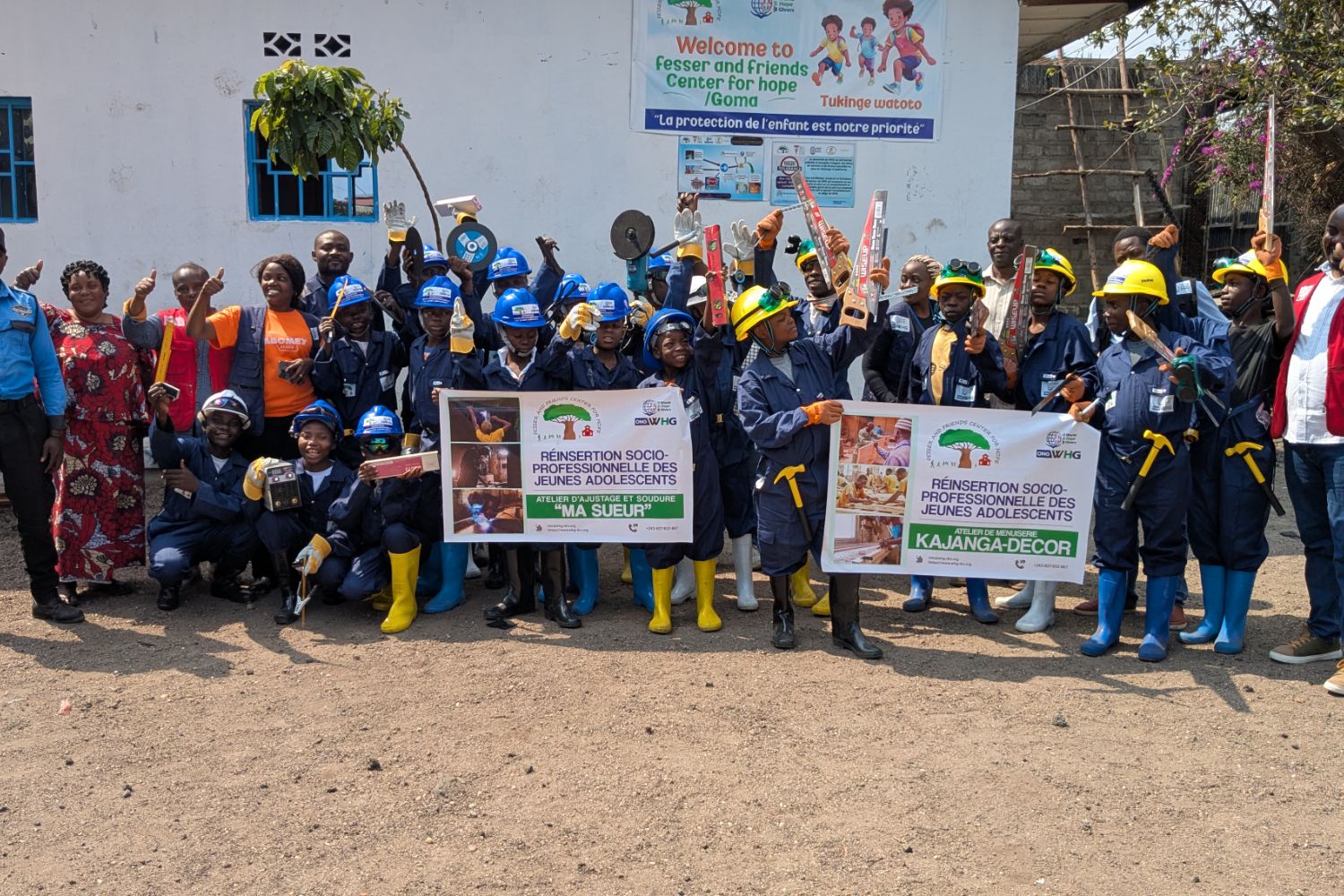
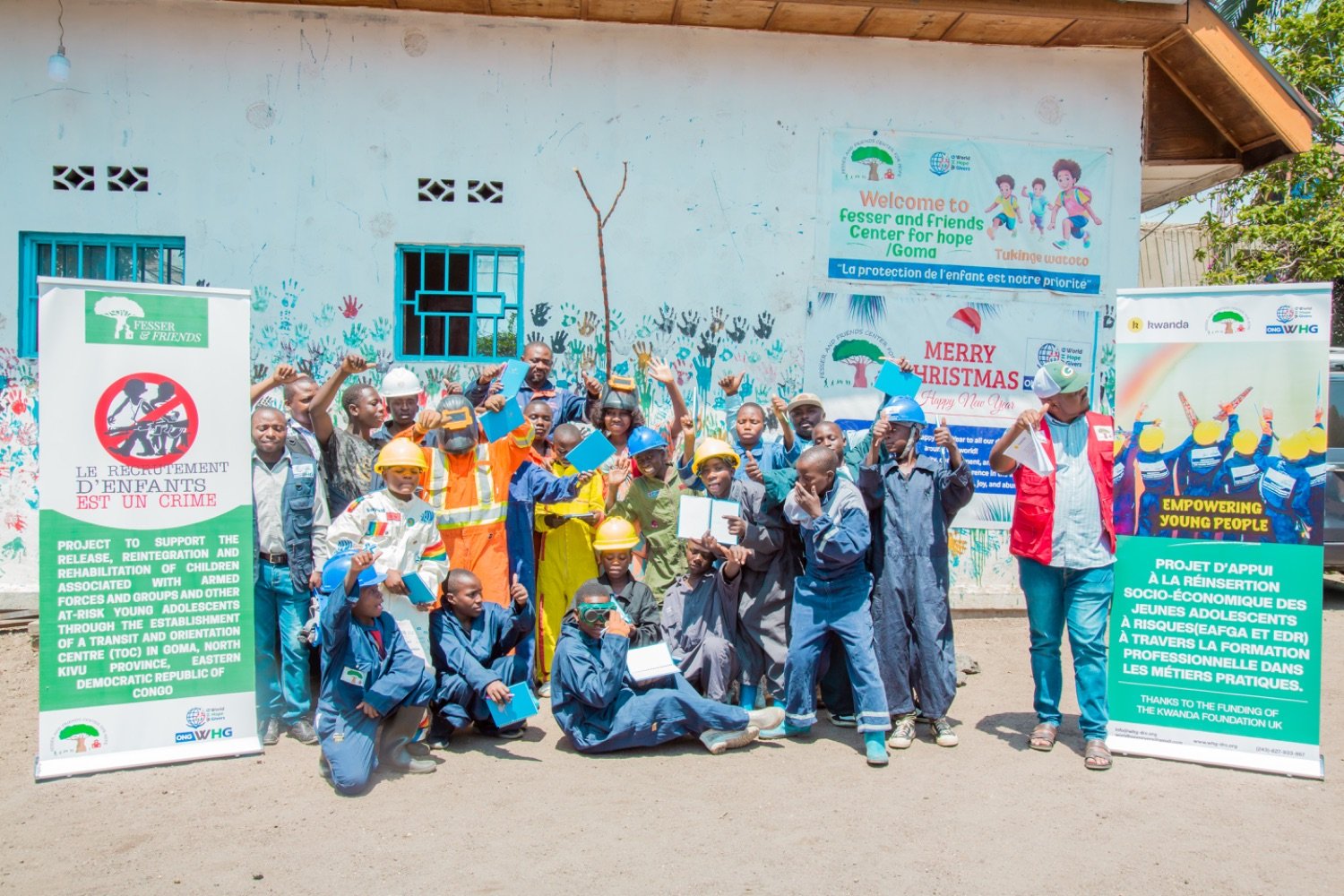
We trained 20 conflict-affected young people in Goma, Democratic Republic of Congo, over three months. All had been formerly associated with armed forces or groups and were referred to our Fesser and Friends Transit and Orientation Centre after escaping active conflict.
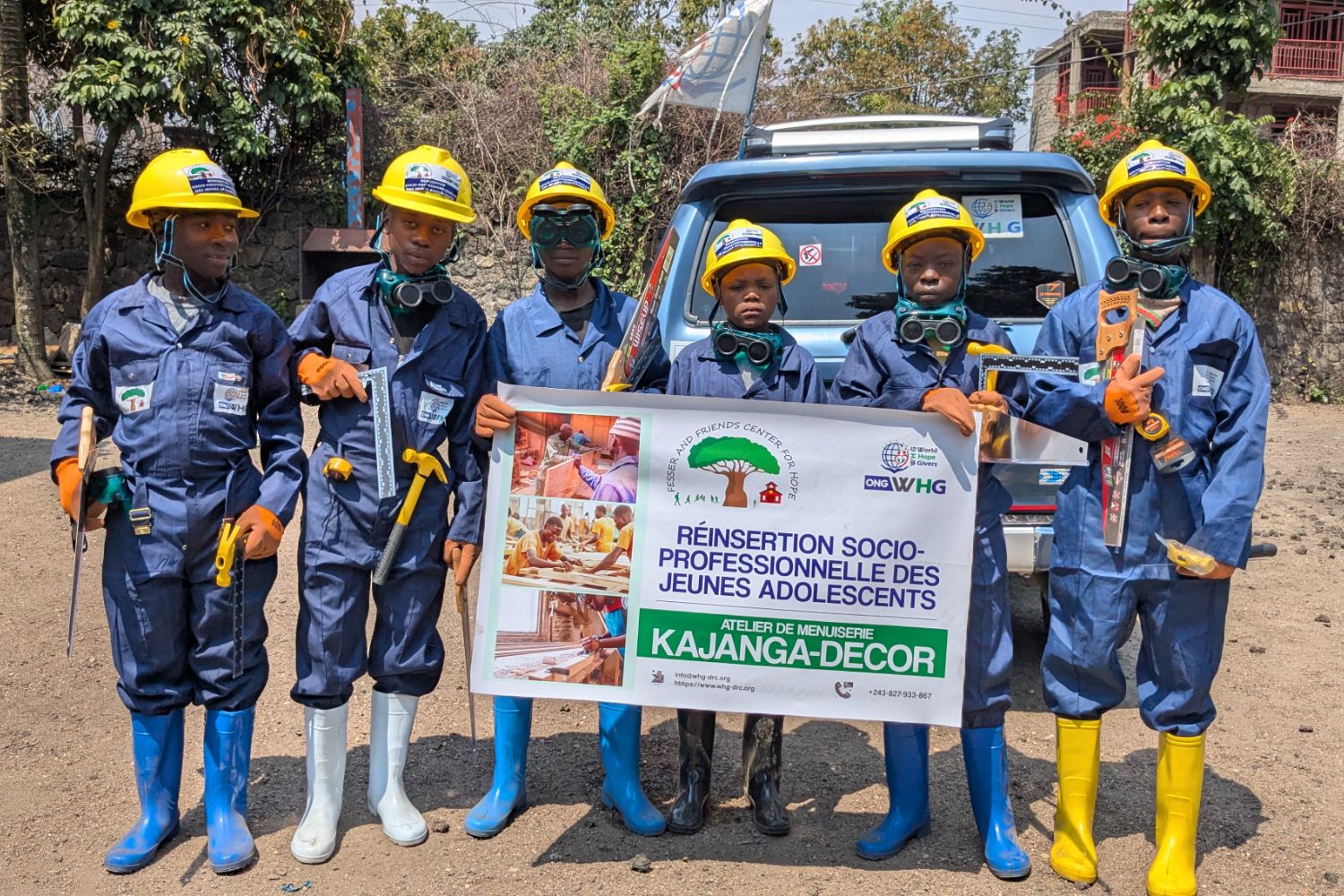
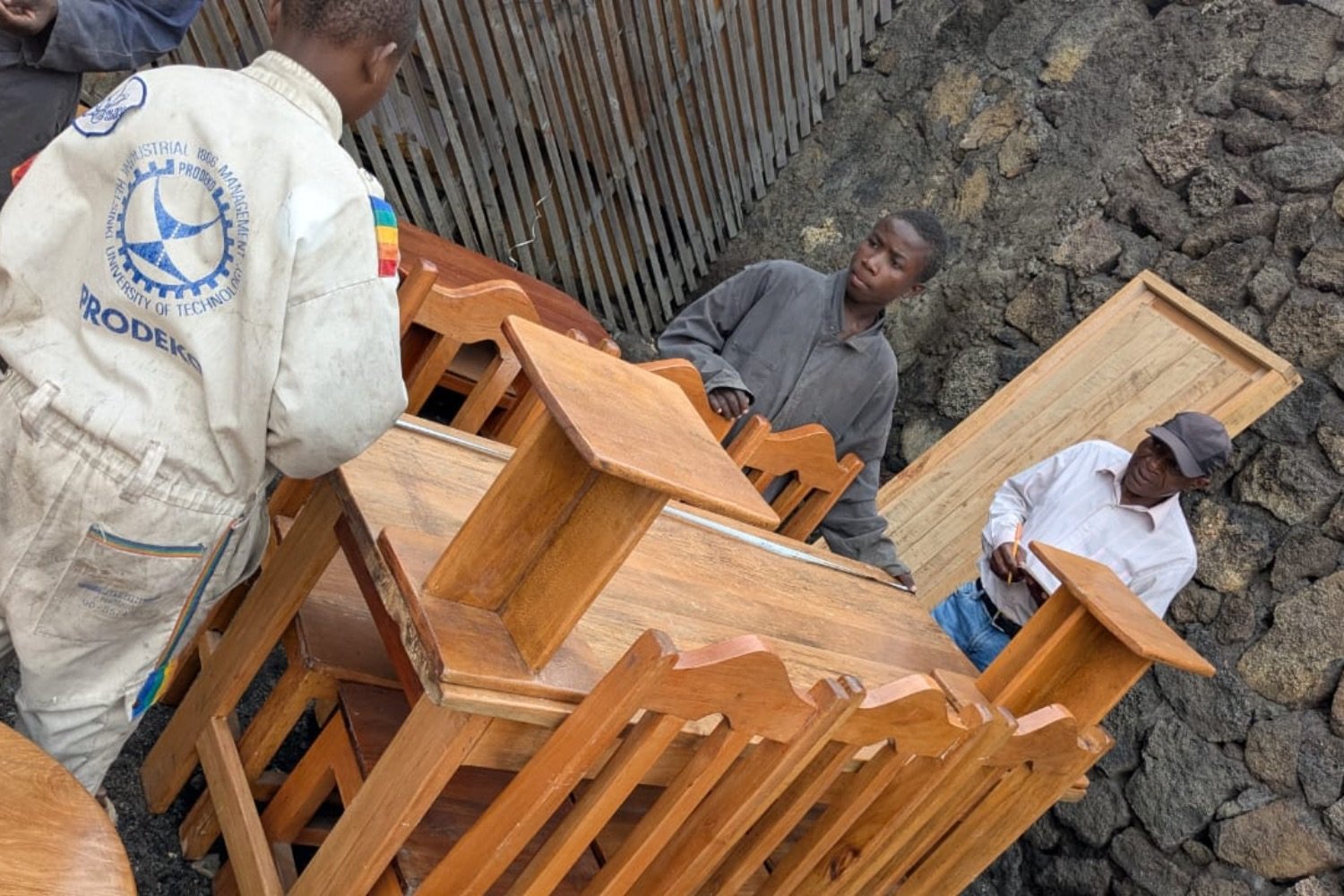
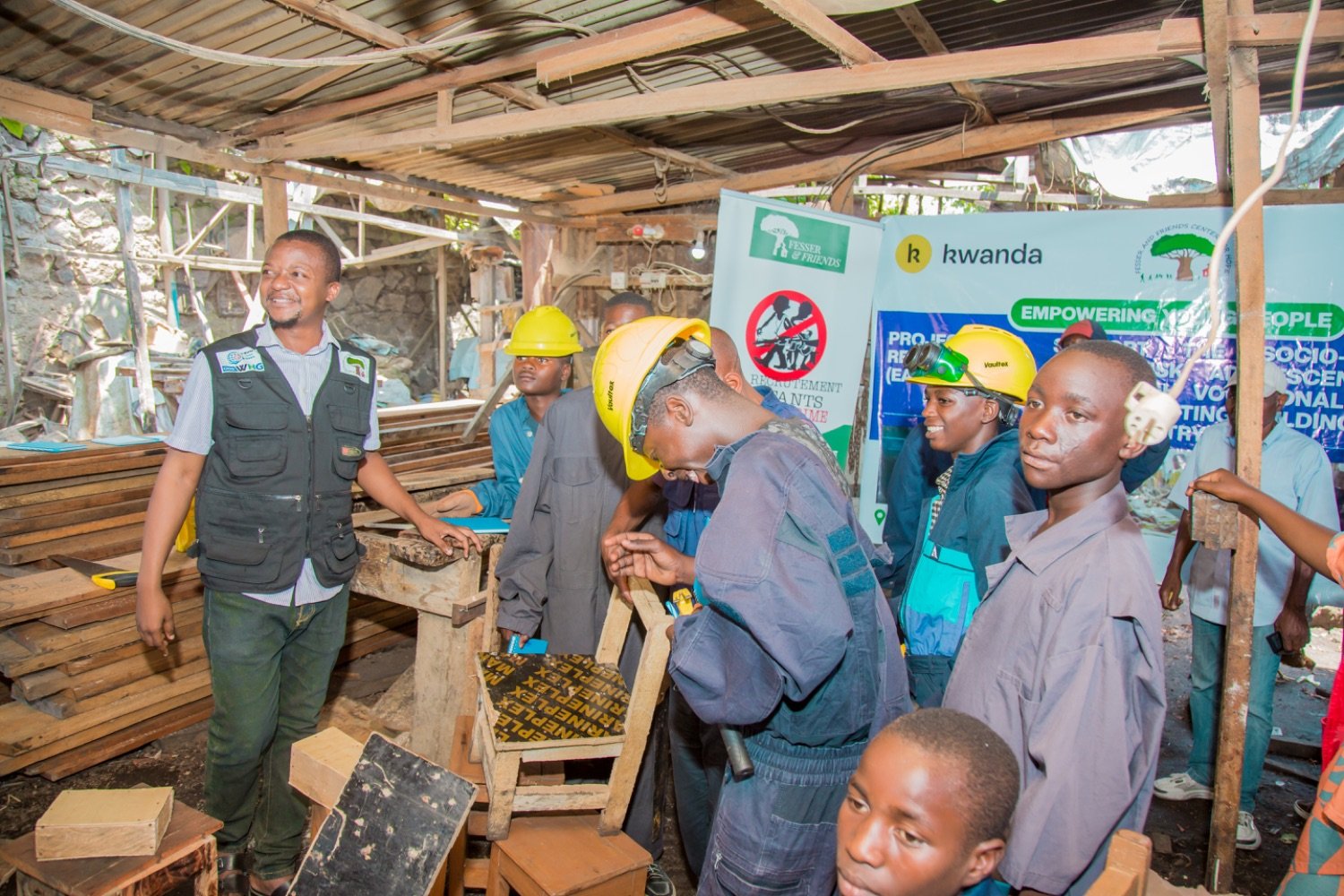
Training covered carpentry, welding, and metal fitting. During the programme, trainees produced furniture, doors, windows, handwashing stations, and metal crates, and some of what they made was sold to reinvest in materials and give them real market experience.
We ran psychosocial support alongside the technical work: regular counselling sessions, group discussions, and recreational activities. Stigma initially made it hard for some trainees to open up, so facilitators shifted to smaller groups and activity-based formats, which gradually built trust.
We spent $2,641 (roughly £2,100) from the Kwanda grant on training delivery, materials, and administration, with bank and admin fees coming to $150.
The main constraint was materials. Trainees had to share and rotate tools and protective equipment, which limited individual practice time, and the three-month duration was tight for fully consolidating trade skills. We are now developing a structured exit plan with start-up kit distribution and follow-up check-ins for graduates, and will look to extend future cycles to six months.
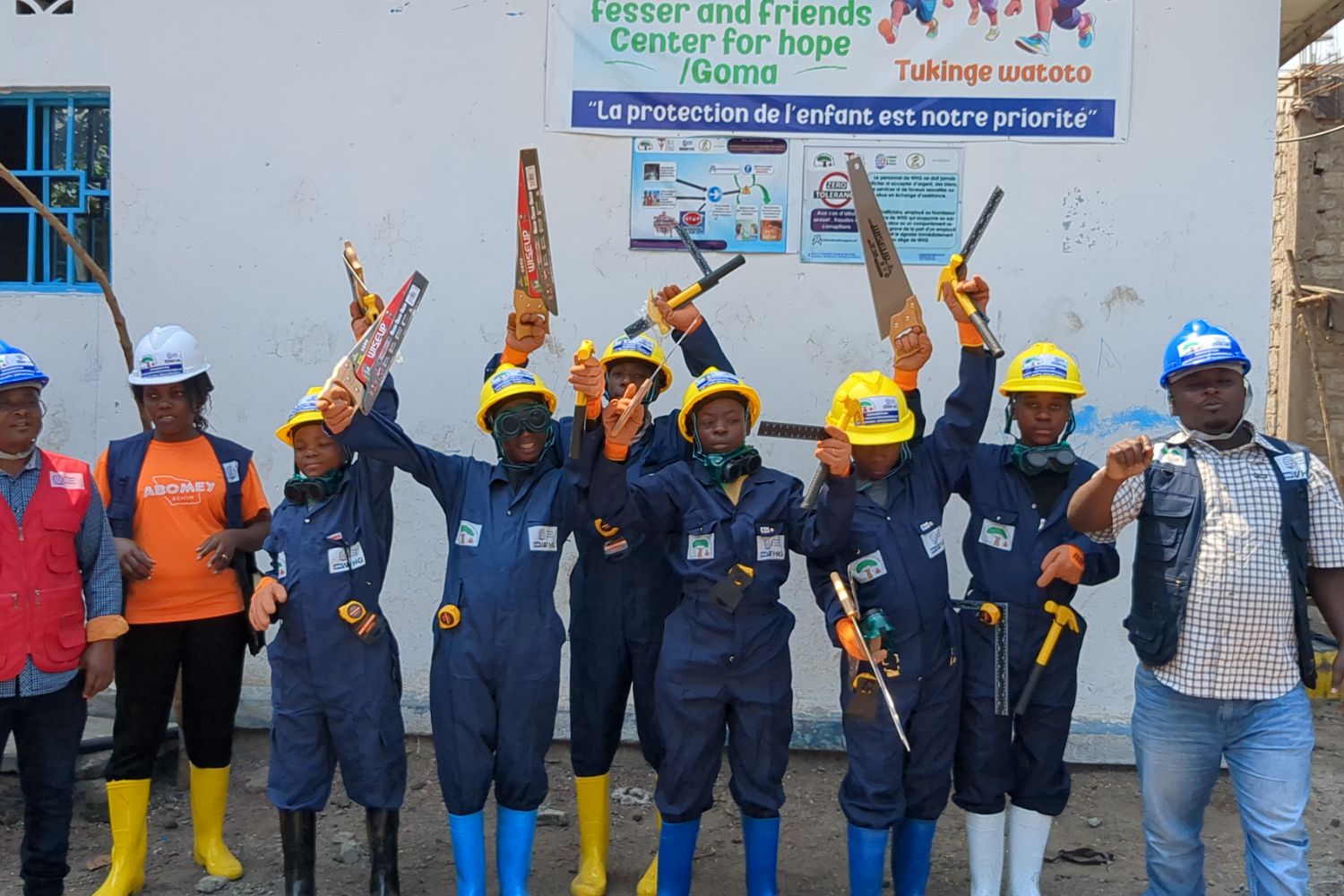
20 former child soldiers in eastern DRC begin vocational training with new tools
Posted 16 Jan 2026
We resumed the programme on 6 January, meeting with trainers and teachers to confirm working agreements and revise the training schedule. We bought welding torches, hammers, saws, chisels, measuring tools, and protective gear. On 15 January, we distributed these to 20 participants so they could begin their vocational training.
The materials and tools cost $2,688 (around £2,100), funded by Kwanda. This covered welding and metalwork materials ($1,409) and carpentry materials ($1,279). Our local partners, Fesser and Friends and World Hope Givers, covered three months of teachers' pay ($480) and transport of the materials ($120). We have $642 (around £500) left from the Kwanda grant for ongoing training needs.
With training underway, we will keep teaching vocational skills and mentoring participants. Over the coming months, we plan to connect graduates with local apprenticeships and business opportunities, and continue providing counselling and mentorship for those who need extra emotional support.
Get project updates from the work Kwanda funds, on WhatsApp.