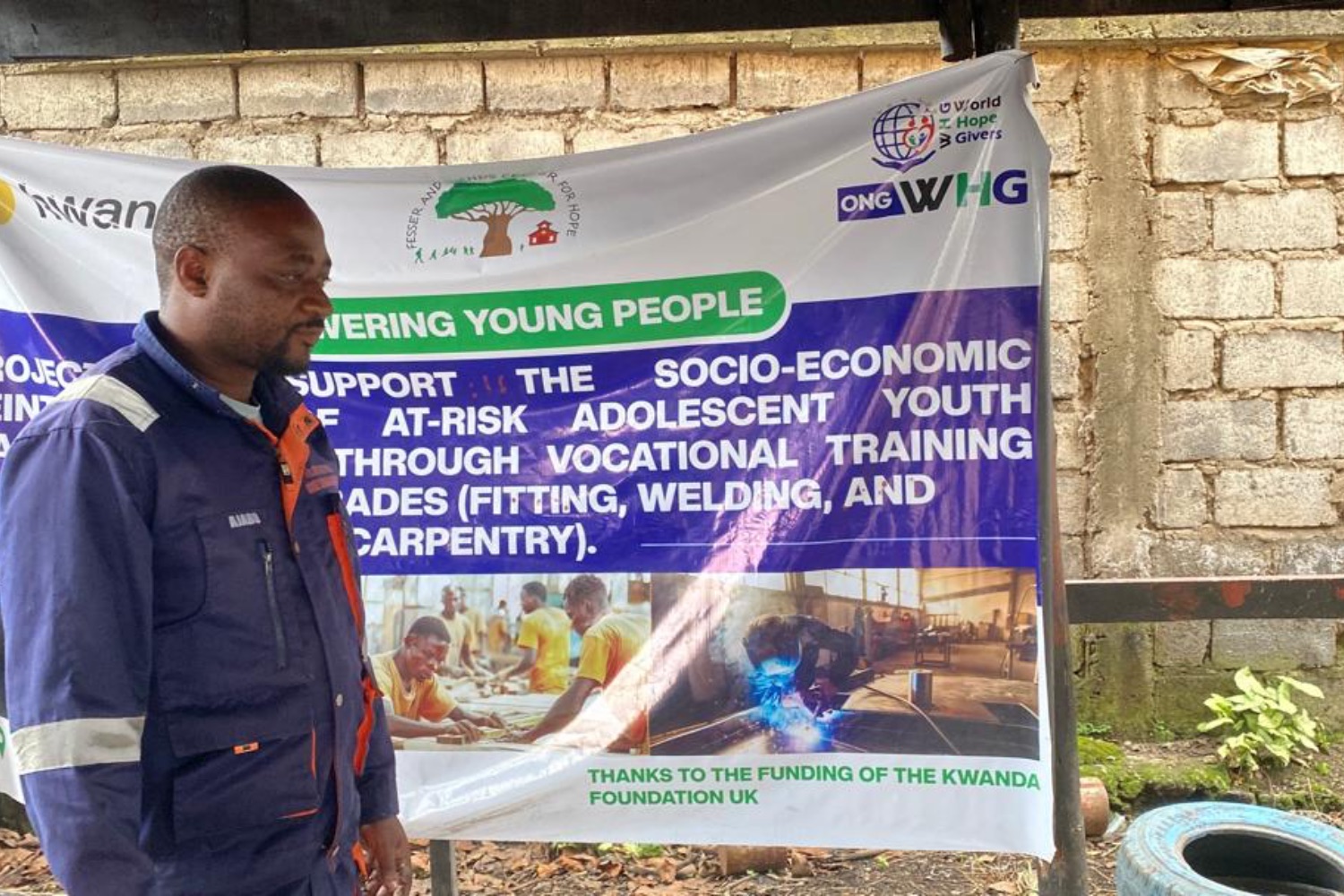

20 conflict-affected youth complete vocational training and psychosocial support in Goma
Posted 5 Mar 2026
Summary
In January and February 2026, we supported 20 conflict-affected young people in Goma, Democratic Republic of Congo, with vocational training and structured psychosocial support.
What happened: Three months of vocational training (welding, metal fitting, and carpentry) ran alongside regular counselling and group-based psychosocial activities.
Who benefited: 20 conflict-affected young people in Goma.
Cost: Not provided in this update.
Issues: Limited tools reduced hands-on practice time, and stigma initially limited participation in psychosocial discussions. Trainers’ fees were under-budgeted, and the programme started without a detailed post-training follow-up plan.
What’s next: WHG is developing an exit plan and exploring start-up kits to support graduates after the training period.
Overview
In January and February 2026, World Hope Givers supported 20 conflict-affected young people in Goma, Democratic Republic of Congo. The programme combined vocational training in welding, metal fitting, and carpentry with structured psychosocial support to support reintegration and livelihood readiness.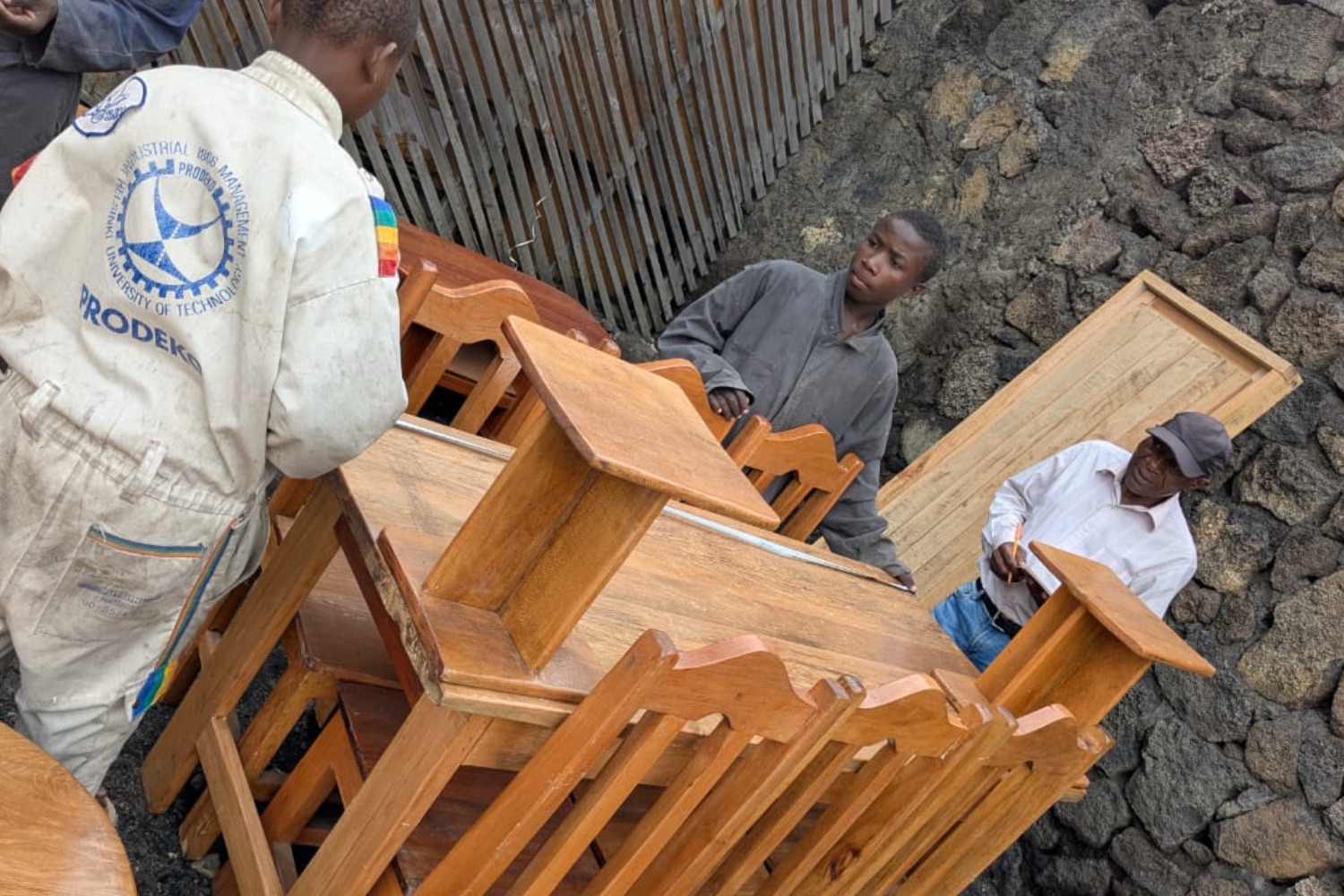
Training curriculum (welding, metal fitting, and carpentry)
The training focused on practical skills that trainees can use to earn an income.
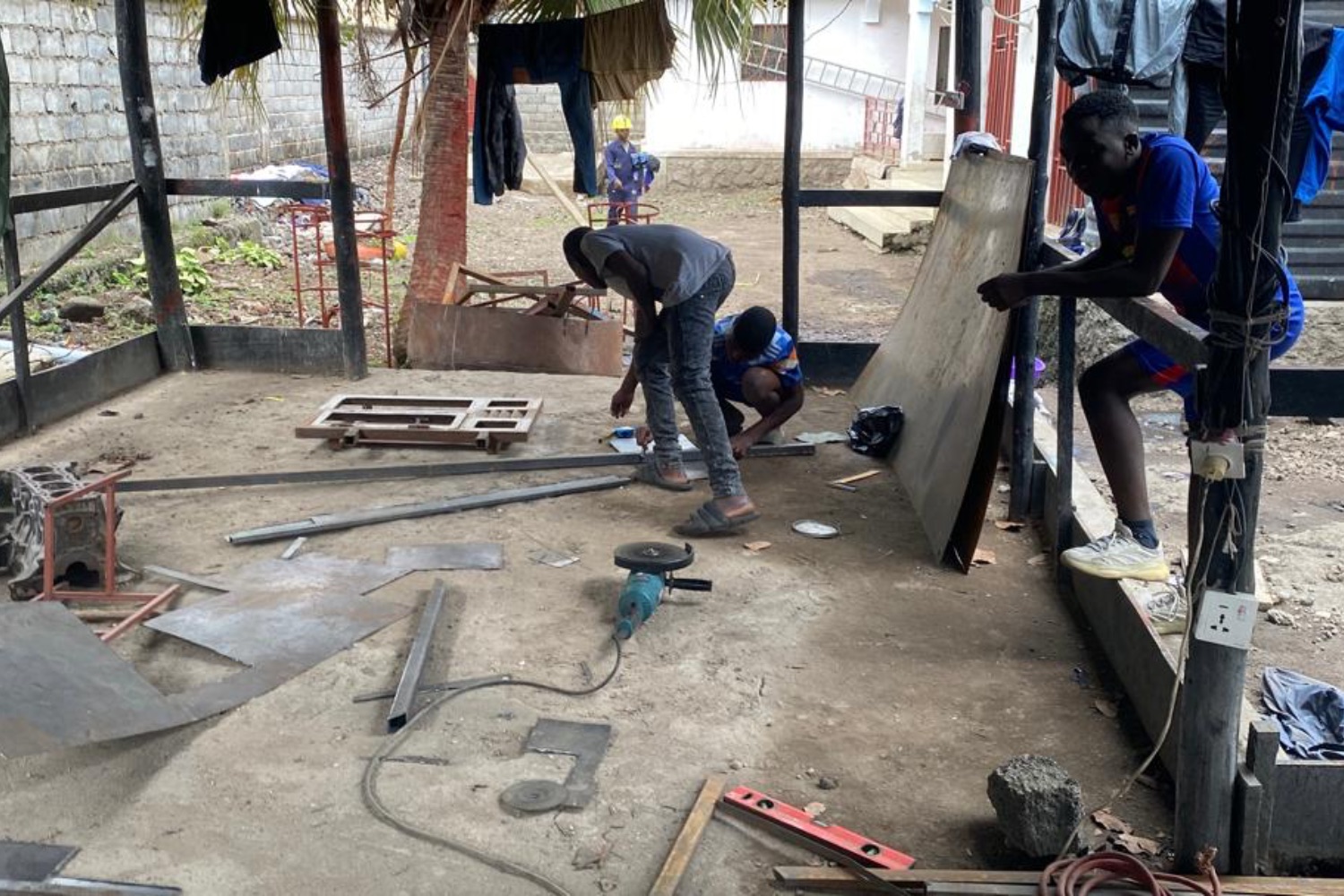
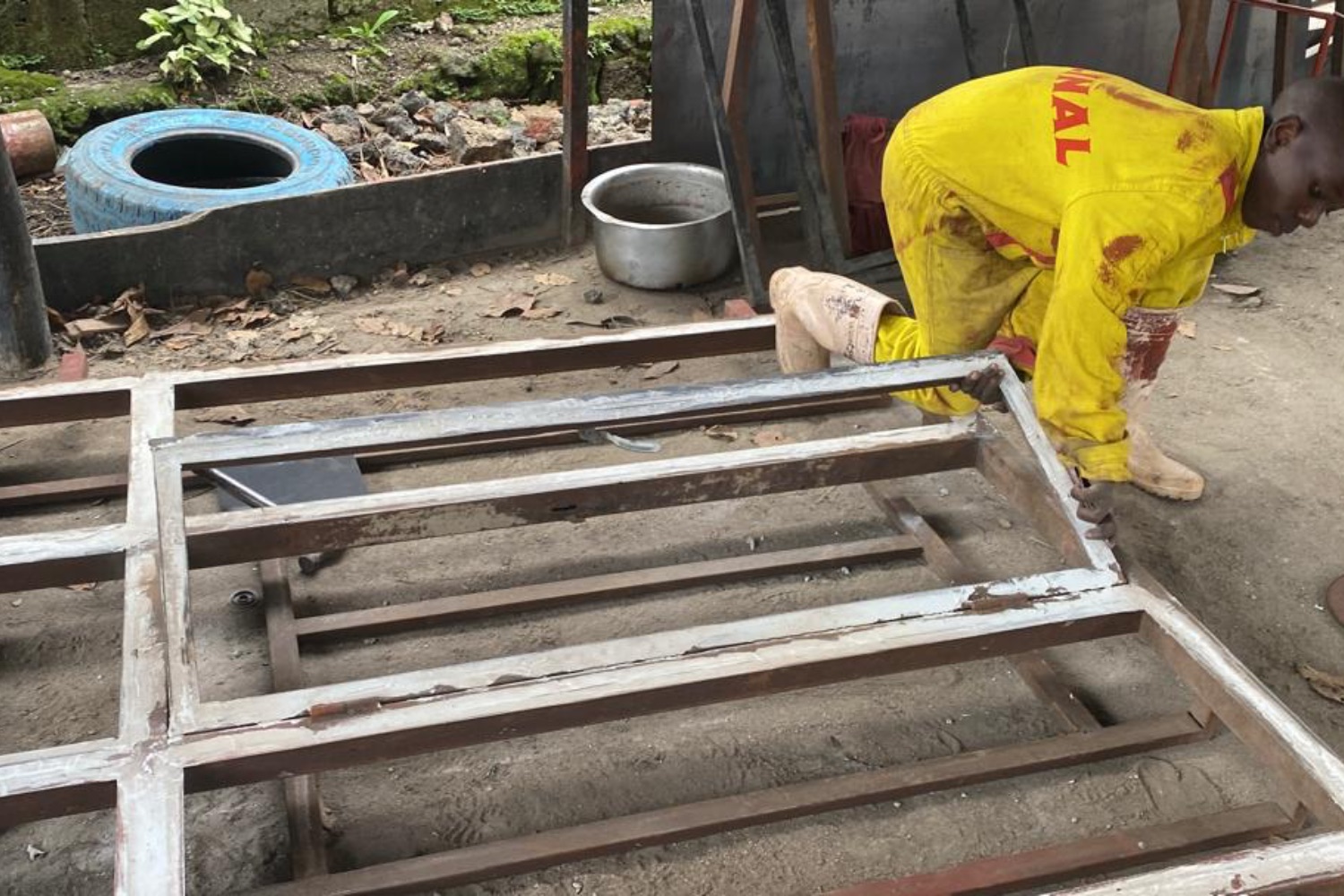
Welding and metal fitting: Trainees fabricated metal doors, windows, handwashing stations, and small metal boxes.
Carpentry: Trainees produced simple furniture for use and sale.
Market exposure: Trainees sold some of what they produced during the programme, so they could practise their skills in real market conditions.
Psychosocial support and reintegration preparation
WHG delivered psychosocial support alongside technical training.
Regular counselling sessions and facilitated group activities supported resilience and emotional regulation.
At first, stigma made it hard for some trainees to join discussions about personal experiences.
Facilitators introduced small-group and activity-based sessions to build trust and improve engagement over time.
Implementation support (meals, care, and learning environment)
To support consistent attendance and safe participation, WHG provided:
Daily meals throughout the programme.
Transitional care for participants who needed additional safety and stability.
A structured schedule so every trainee could meet the required practical hours, even when tools had to be shared.
Challenges and community response
Challenge 1: Limited tools and materials
Trainees had to rotate and share equipment, which reduced hands-on time for each person.
Response: WHG adjusted the practical schedule so everyone could still complete the required practice hours.
Challenge 2: Stigma affecting psychosocial participation
Some trainees were initially reluctant to take part in psychosocial discussions.
Response: Facilitators used activity-based approaches and smaller group discussions to make it easier to participate.
Challenge 3: Budget and planning gaps identified during delivery
Trainers’ fees were under-budgeted, which created financial pressure near the end of the month.
The project did not start with a detailed exit strategy for post-training transition.
Response: WHG began revising the budget internally and is developing a structured exit plan to strengthen sustainability.
Looking ahead (post-training support and sustainability)
Next steps focus on follow-up support for graduates in Goma over the next one to two months, and on strengthening the next training cycle.
Finalise and implement an exit plan that sets out follow-up check-ins, start-up kit distribution, and referral pathways for graduates.
Mobilise start-up kits so graduates can begin individual income-generating activities.
For future cycles, extend the training period to six months so trainees have more time to build and practise technical skills.
Improve tool and materials availability so each trainee can spend more time on hands-on practice.