

Updates
Chipinge College of Horticulture enrolment reaches 156 students
Summary
What happened: We enrolled more students (now 156) and continued delivering vocational and horticultural training during the February 2026 reporting period.
Who benefited: 156 students currently enrolled in our training programme.
What it cost: We used the remaining materials and supplies funded through student fees. We have also fully used the funds received from the Kwanda pilot. We are compiling supplier quotes for priority materials, equipment, and furniture, and will share a priced list once confirmed.
Changes, issues, or delays: Stock-outs of key materials and limited equipment reduced the number of practical sessions we could run, which may affect the pace of skills acquisition.
Overview
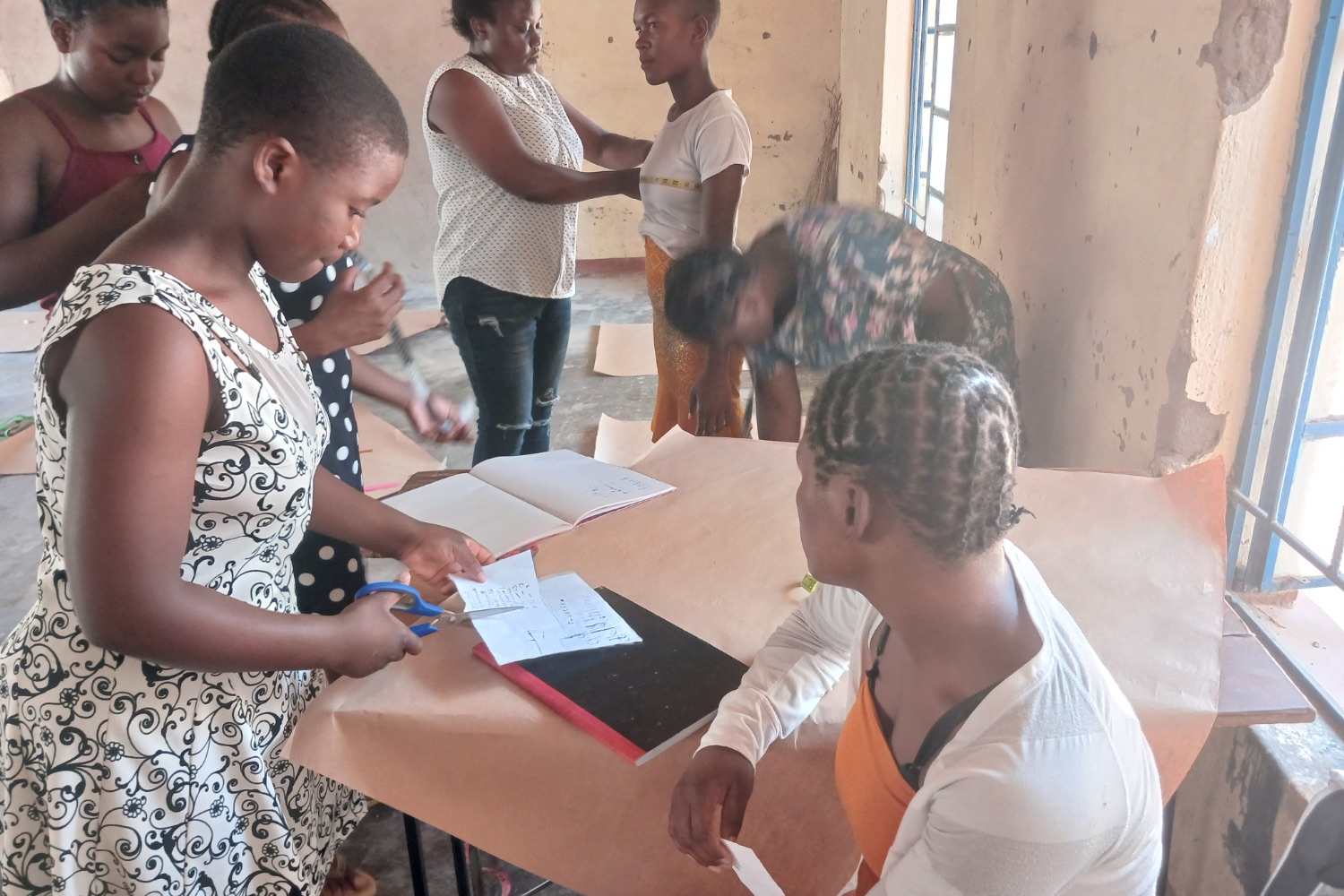
During the February 2026 reporting period, our enrolment increased to 156 learners. We continued training while using up materials purchased through student fees, and these supplies are now largely depleted.
What we’re seeing in training delivery
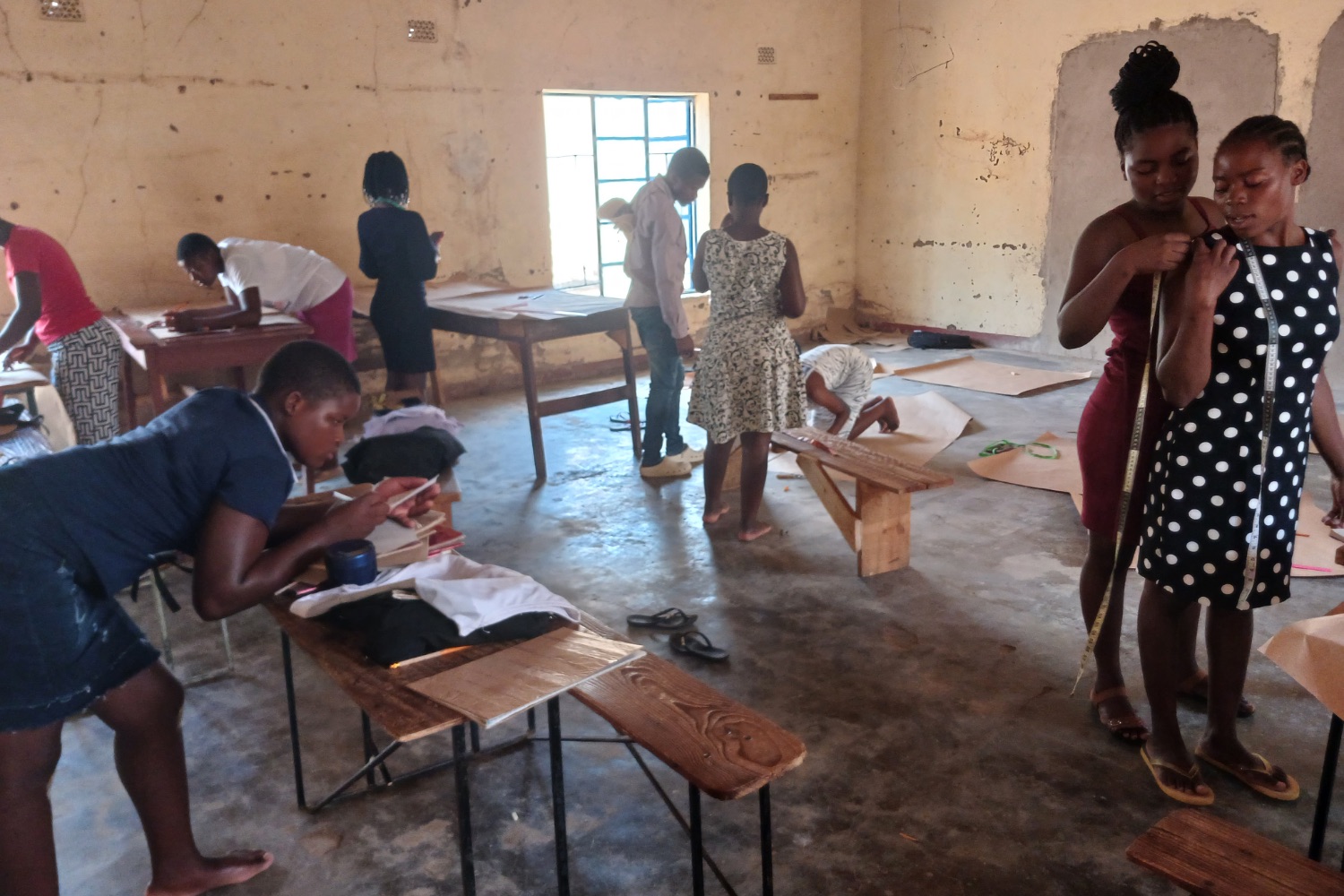
Higher enrolment shows sustained demand for our vocational and horticultural training. At the same time, limited materials and equipment meant we ran fewer practical sessions this period. This can affect training quality and slow skills development if not addressed.
Constraints we are working through
This period, we faced four immediate constraints:
We are running low on training materials.
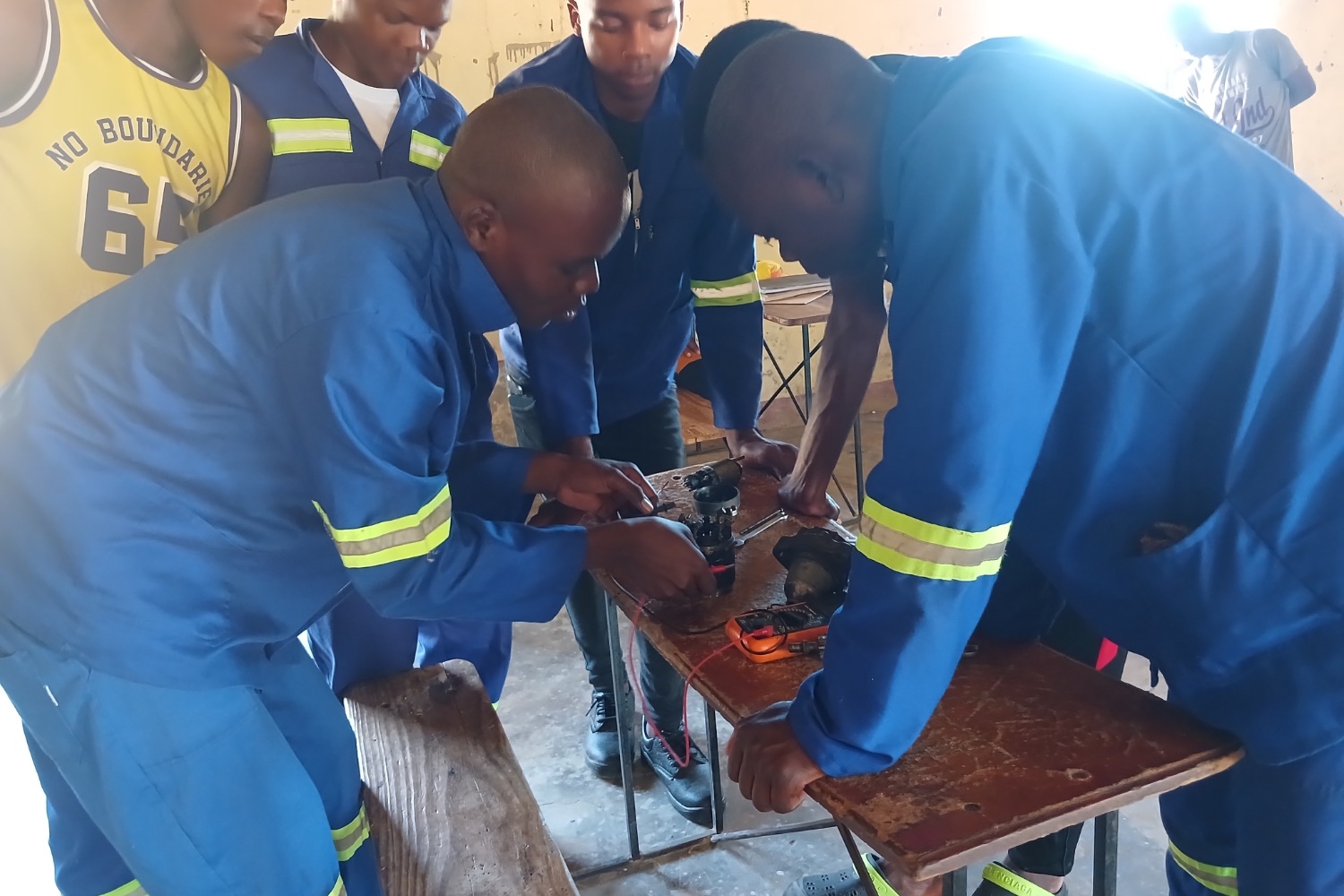
Our equipment is not keeping pace with enrolment growth.
Our classroom furniture is limited.
We need additional funding to keep delivery at the current level and expand capacity.
Next steps (March 2026)
To sustain delivery for 156 students and protect training quality, we will:
Confirm a prioritised list of materials and quantities needed for the next training cycle.
Complete a short equipment inventory highlighting the most constrained items.
Estimate the classroom furniture shortfall, including the number of desks and chairs needed.
Gather quotes and share a priced budget for the items above.

190 food baskets delivered to displaced families in Sudan
Summary
A one-time £5,000 emergency donation supported rapid food assistance for displaced families in Sudan. Hope and Haven for Refugees Organization delivered 190 food baskets across four hard-to-access locations, reaching over 1,000 people.
What happened: 190 food baskets were delivered across four locations.
Who benefited: Displaced and low-income households, including families caring for orphaned children.
Cost: £5,000 total (one-time emergency donation). Purchases focused on staple grains, pulses, cooking oil, and dates, sourced through a wholesale retailer to maximise value.
Issues: Prices were volatile, and demand increased as more families were displaced. The team prioritised households with the least access to food.
What’s next: This was a one-time crisis response donation. No further distributions are planned as part of this update.
Delivery and reach
190 food baskets delivered across four locations.
Over 1,000 displaced people reached with emergency food support.
Distribution locations and basket totals
Location | Primary beneficiary group | Baskets delivered |
Wad Alnoura | Families of martyrs and low-income households | 40 |
Heridanah Village, White Nile State | Families caring for orphaned children in extremely difficult conditions | 50 |
Hafeer Al‑Safi Village, West Gezira | Households facing severe food insecurity | 75 |
Abuhubaira | Displaced and low-income households | 25 |
Total | — | 190 |
Challenges and how delivery stayed on track
Two factors shaped delivery:
Volatile market prices meant the team had to keep adjusting the budget as costs changed.
A rise in newly displaced families increased demand, so the team prioritised households with the least access to food.
Despite these constraints, distribution stayed on track through community-led coordination and flexible planning.

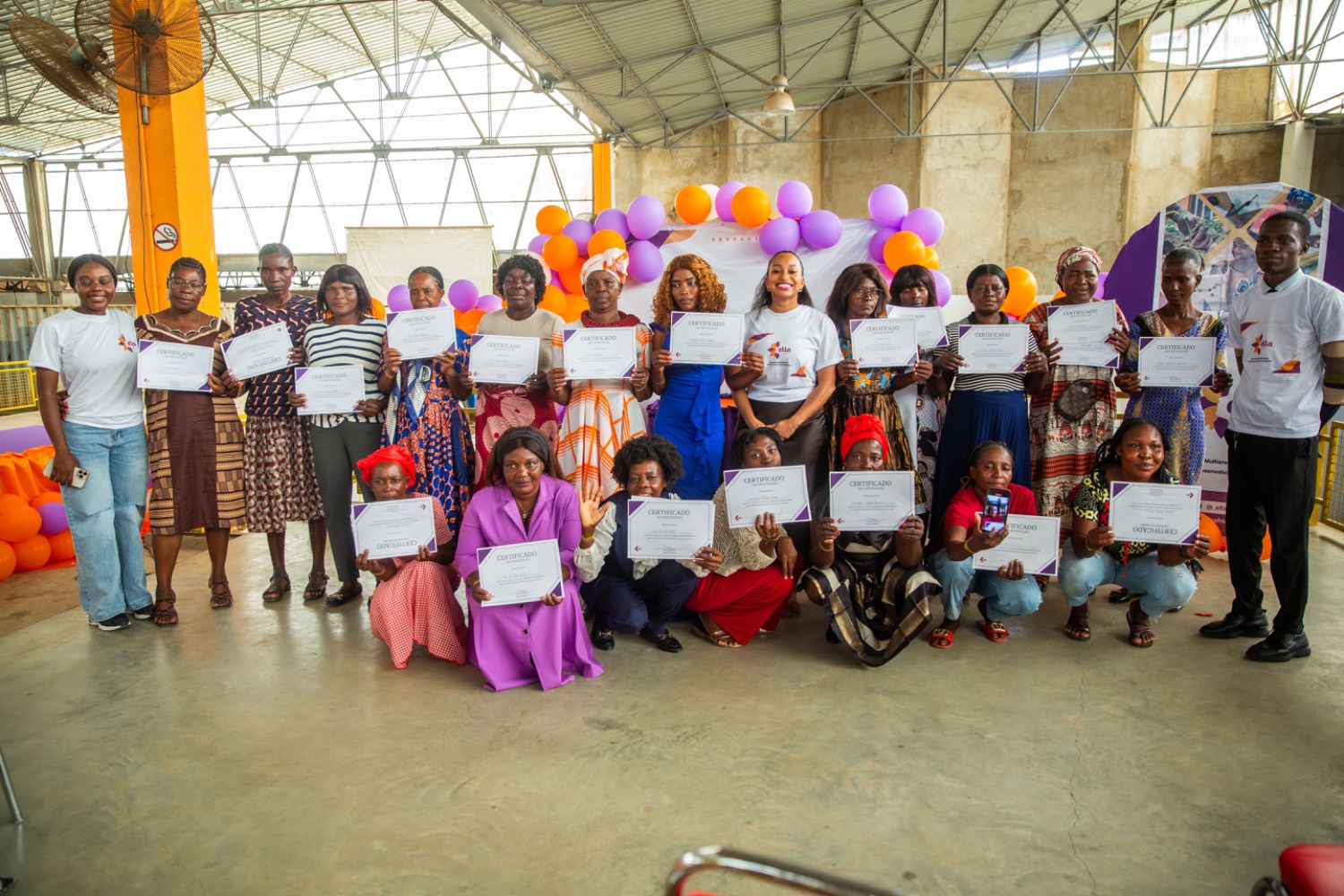
24 women complete literacy programme with transport support in Luanda
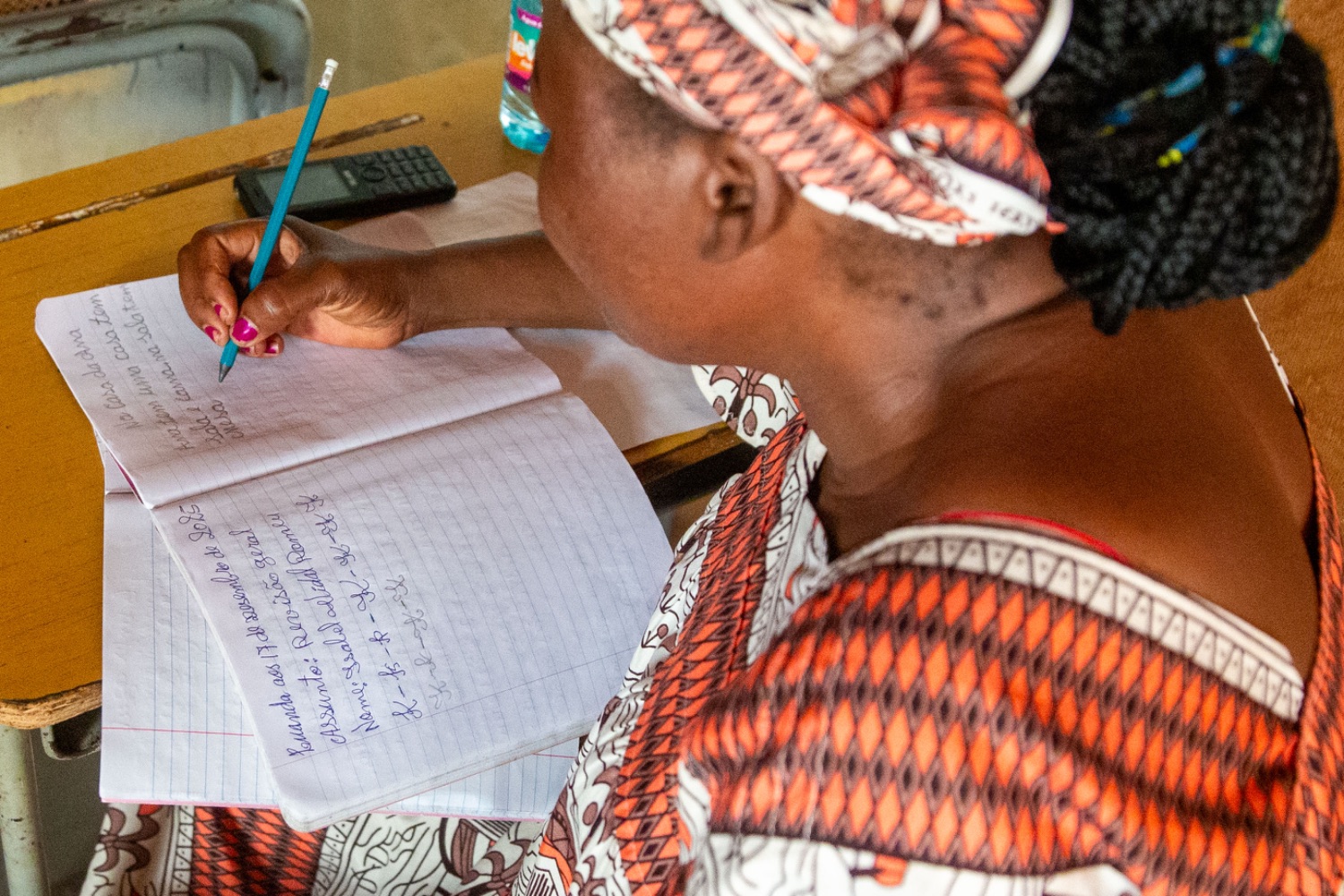
We have completed our 2025 Literacy Pilot Project. We achieved the following results with our pilot:
29 women enrolled, and 24 completed the programme (83%).
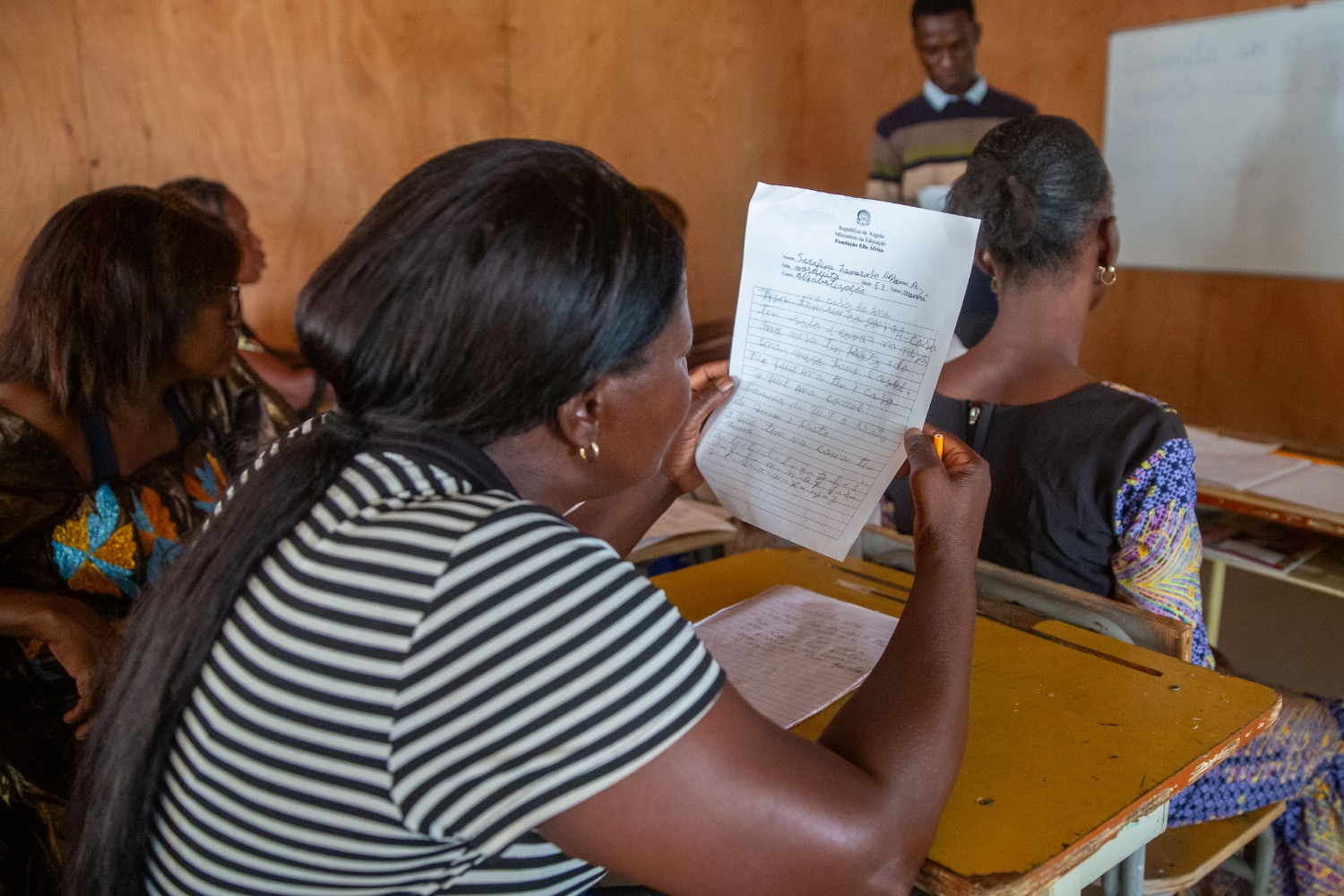
Each participant received an average of 108 hours of literacy instruction focused on reading, spelling, and written communication.
Transport stipends helped participants attend regularly, increasing attendance from around 50% to approximately 80%.
 We also supported five women with transport stipends to undertake three-month internships. One participant withdrew due to higher travel costs, and four completed their placements.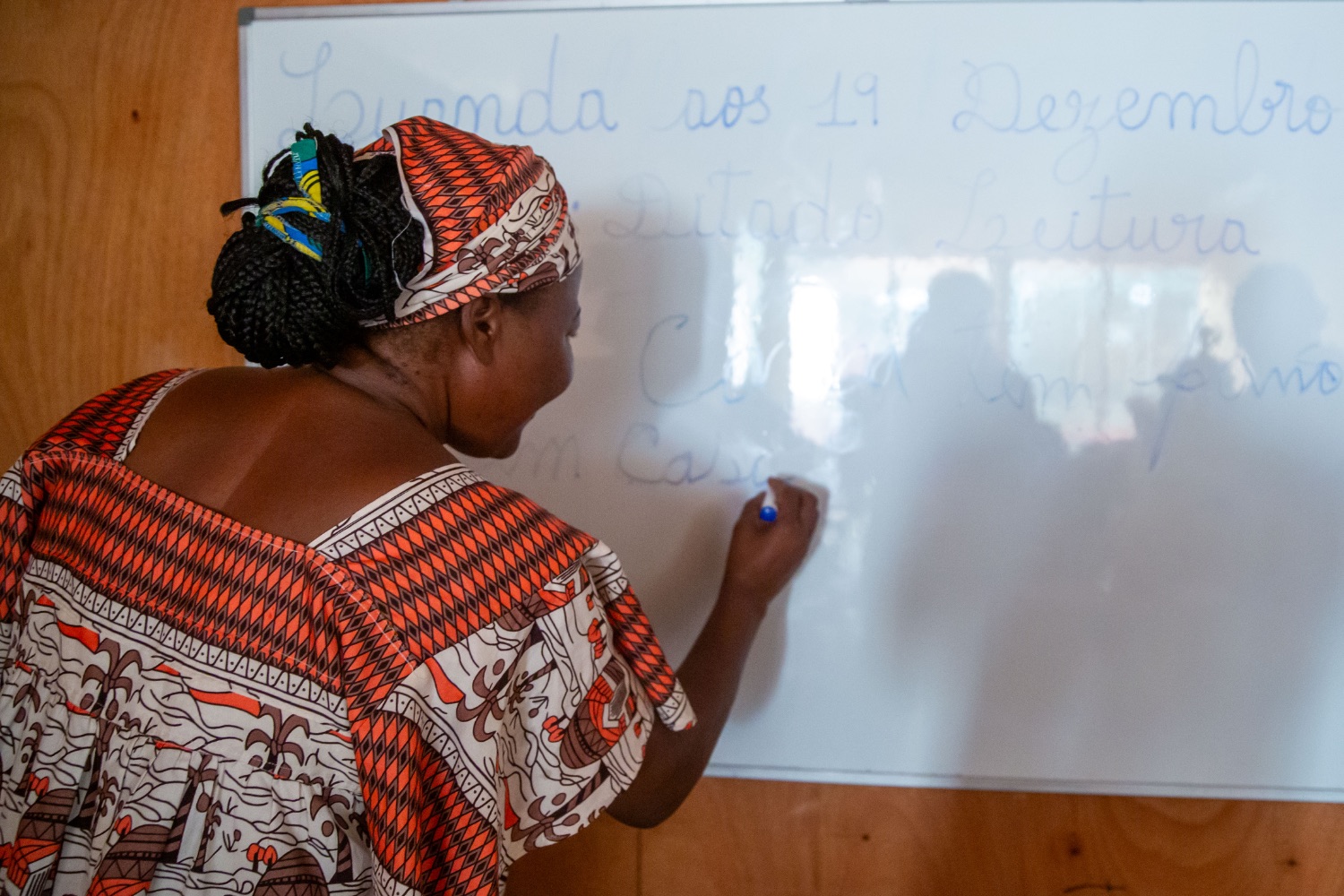
Most participants are heads of household with limited formal education. Many are unemployed or earning income through informal work. By the end of December, participants reported stronger literacy skills and more confidence in navigating written information.
One participant, a former child soldier, shared that without the right documentation and literacy skills, she could not access government benefits or navigate the required forms. “I am in this situation because I didn't have anyone to guide me,” she said.
When she heard about the free literacy programme, she enrolled immediately. Today, she can read. One of the first things she proudly shared was, “Now I can read the Bible on my own.”
 Activities: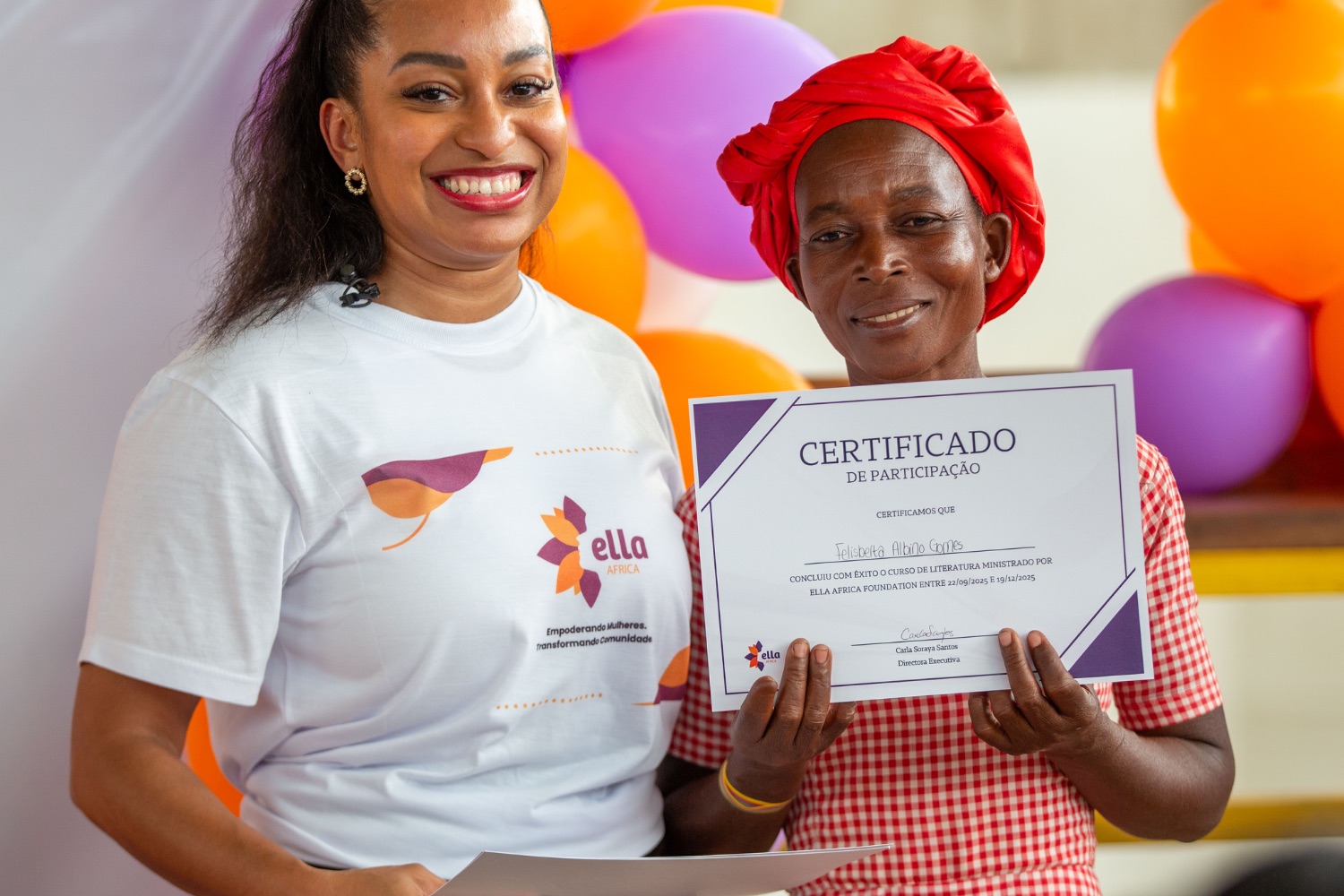
We enrolled 29 women in the 2025 Literacy Pilot Project.
We delivered an average of 108 hours of literacy instruction per participant.
We provided transport stipends to support regular attendance.
We supported five women with transport stipends for three-month internships.
130 students enrolled as vocational training expands across five departments in Zimbabwe
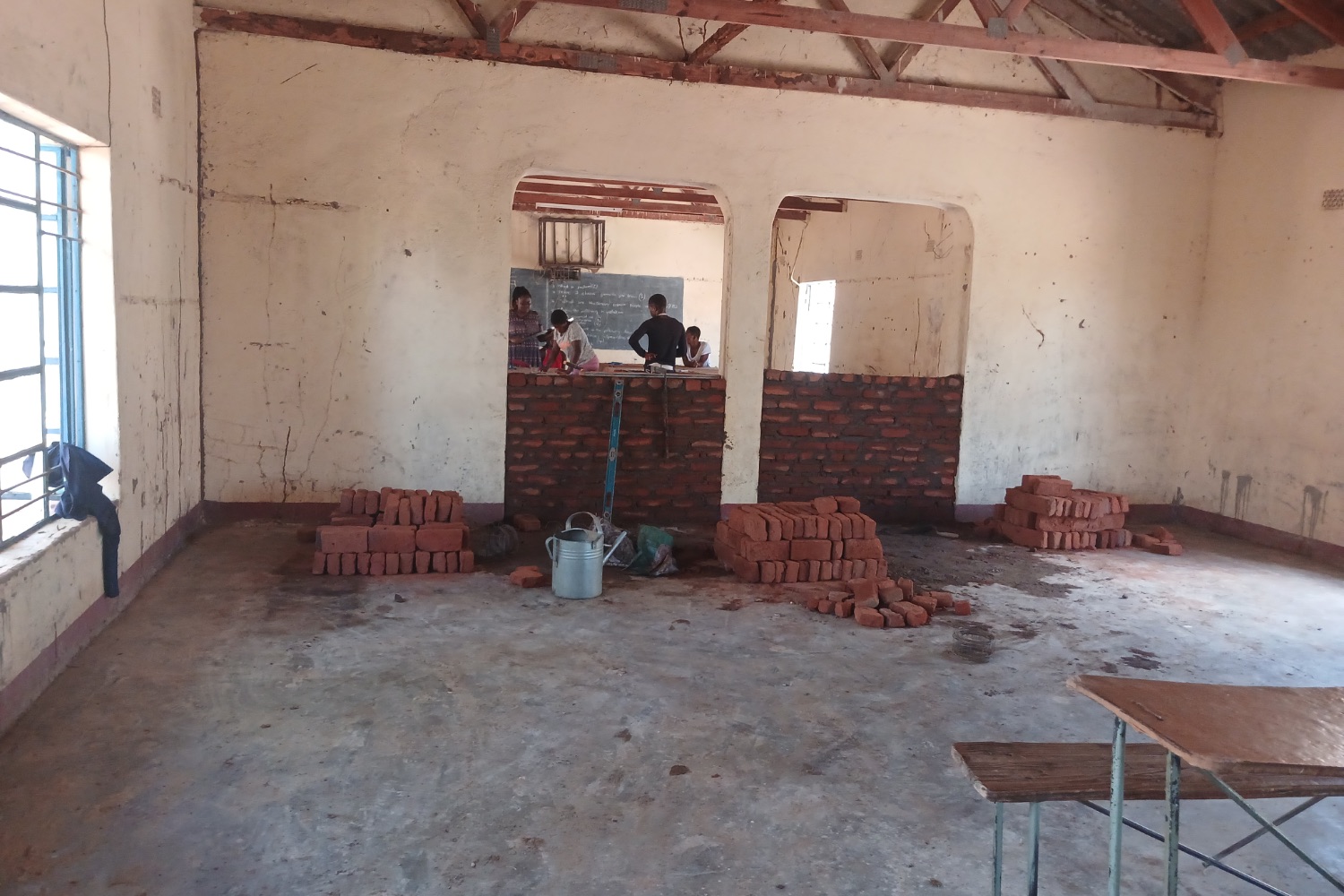
We continued training students in garment construction, welding, cosmetology, carpentry and joinery, and plumbing and drain laying using equipment purchased earlier this year. Enrolment has now reached 130 students, and as training intensified, consumable materials began to run low: zips and elastics for tailoring, welding electrodes and discs, hair and nail products, timber and fixings, and PVC pipes for plumbing practice.
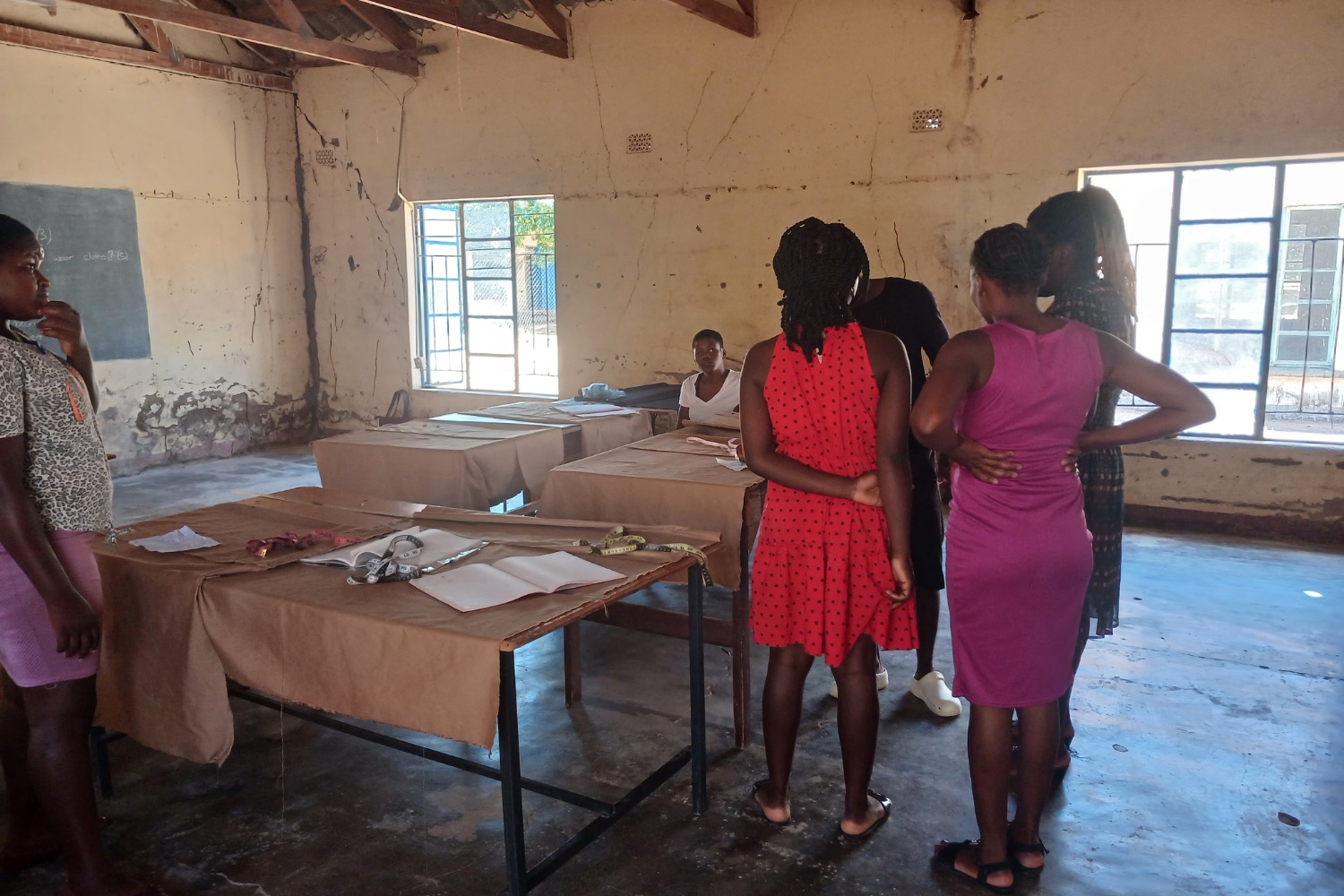
We also introduced a new auto electrics course, expanding training options beyond the original five departments. Of the $2,580 received, we spent $1,305 on equipment, $954 on consumable materials, $301 on transport and logistics, and $20 on staff meeting refreshments. These purchases weren't enough to meet training needs across all departments.
With enrolment continuing to grow, we're preparing a funding request to restock consumables across all six departments. We aim to finalise this request by the end of February and begin restocking materials in March to maintain training quality.
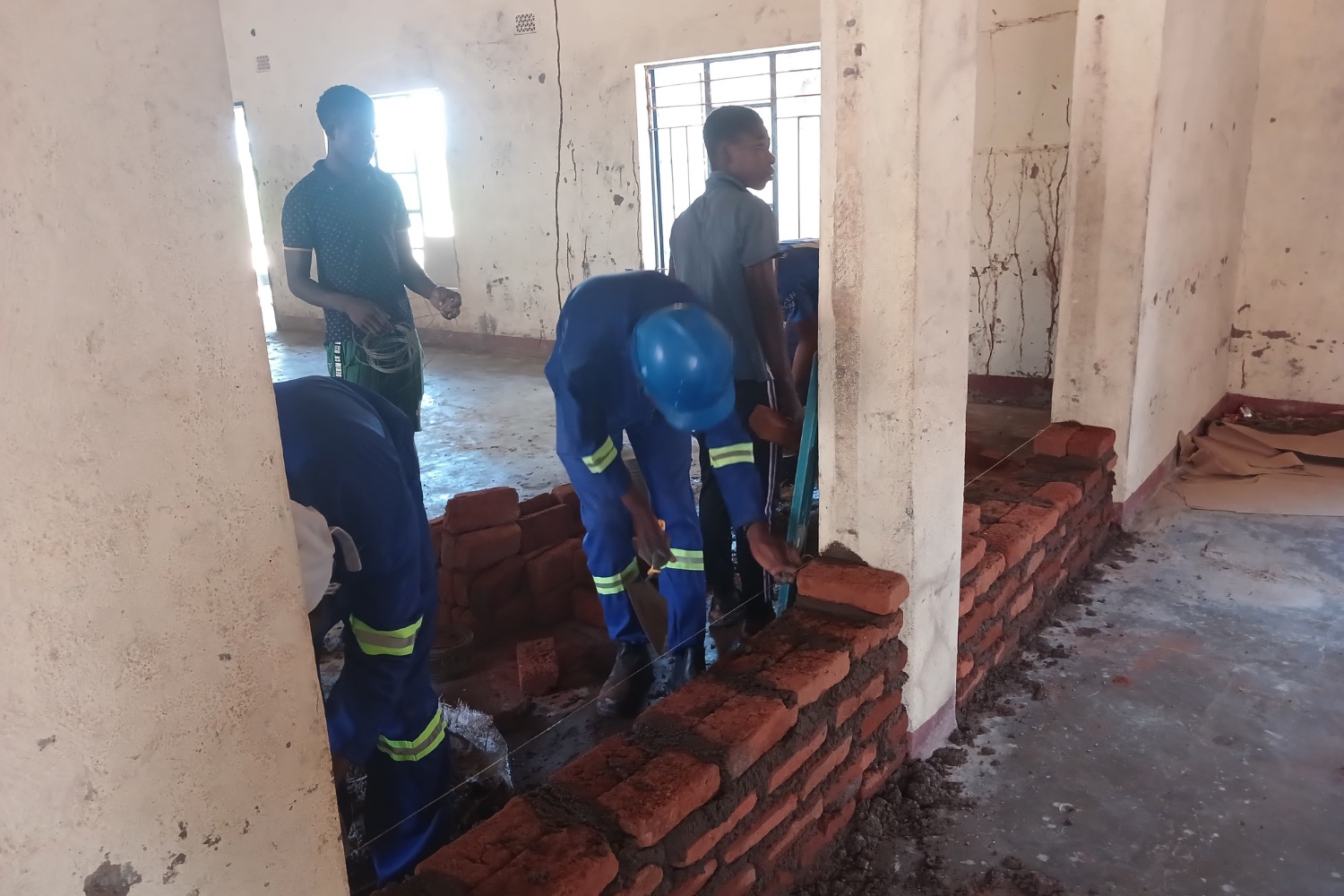
Activities:
Trained 130 students across five vocational departments
Introduced a new auto electrics course
Purchased some additional materials using student fees
Identified funding needs for consumables and equipment
20 former child soldiers in eastern Congo receive tools and begin vocational training
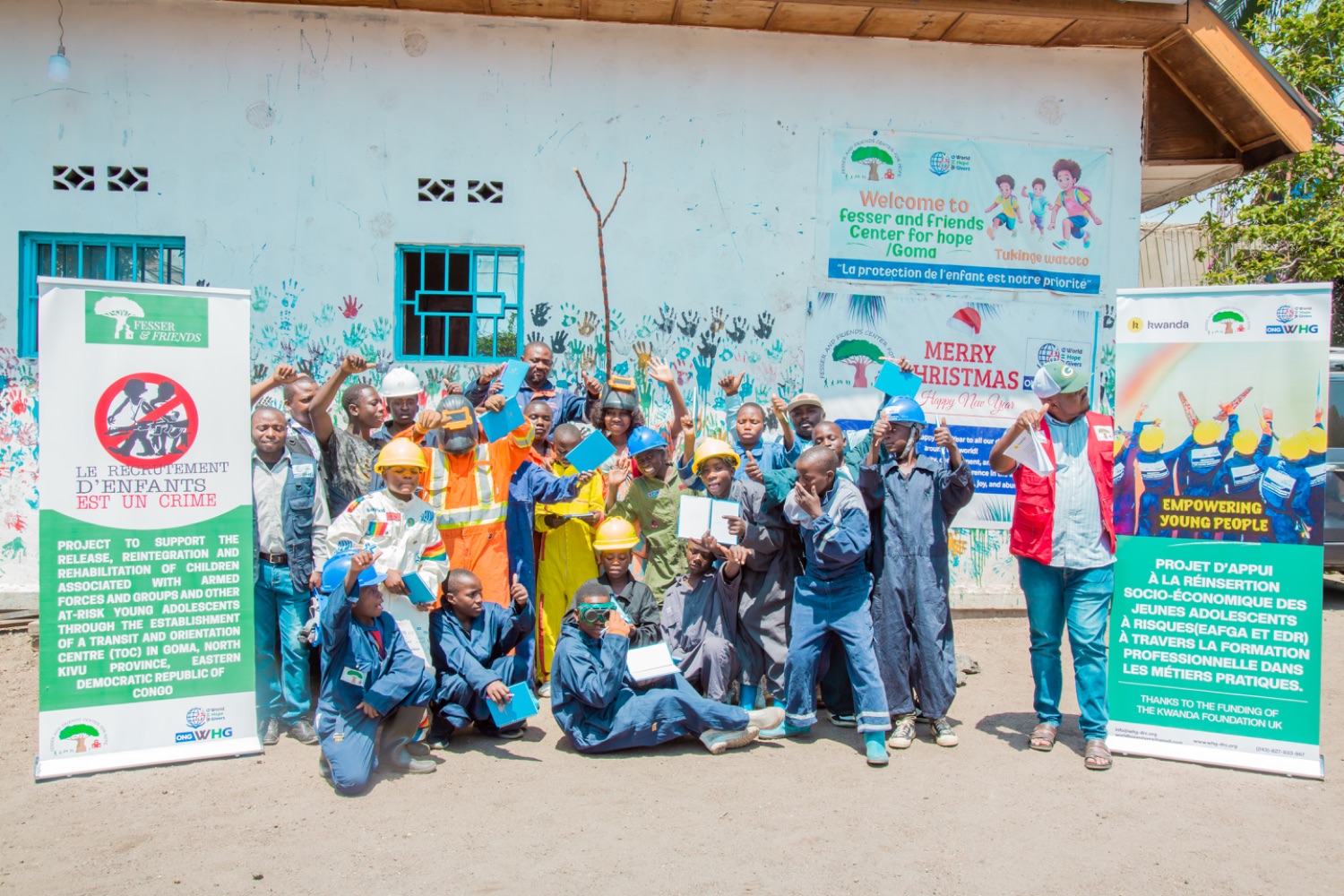
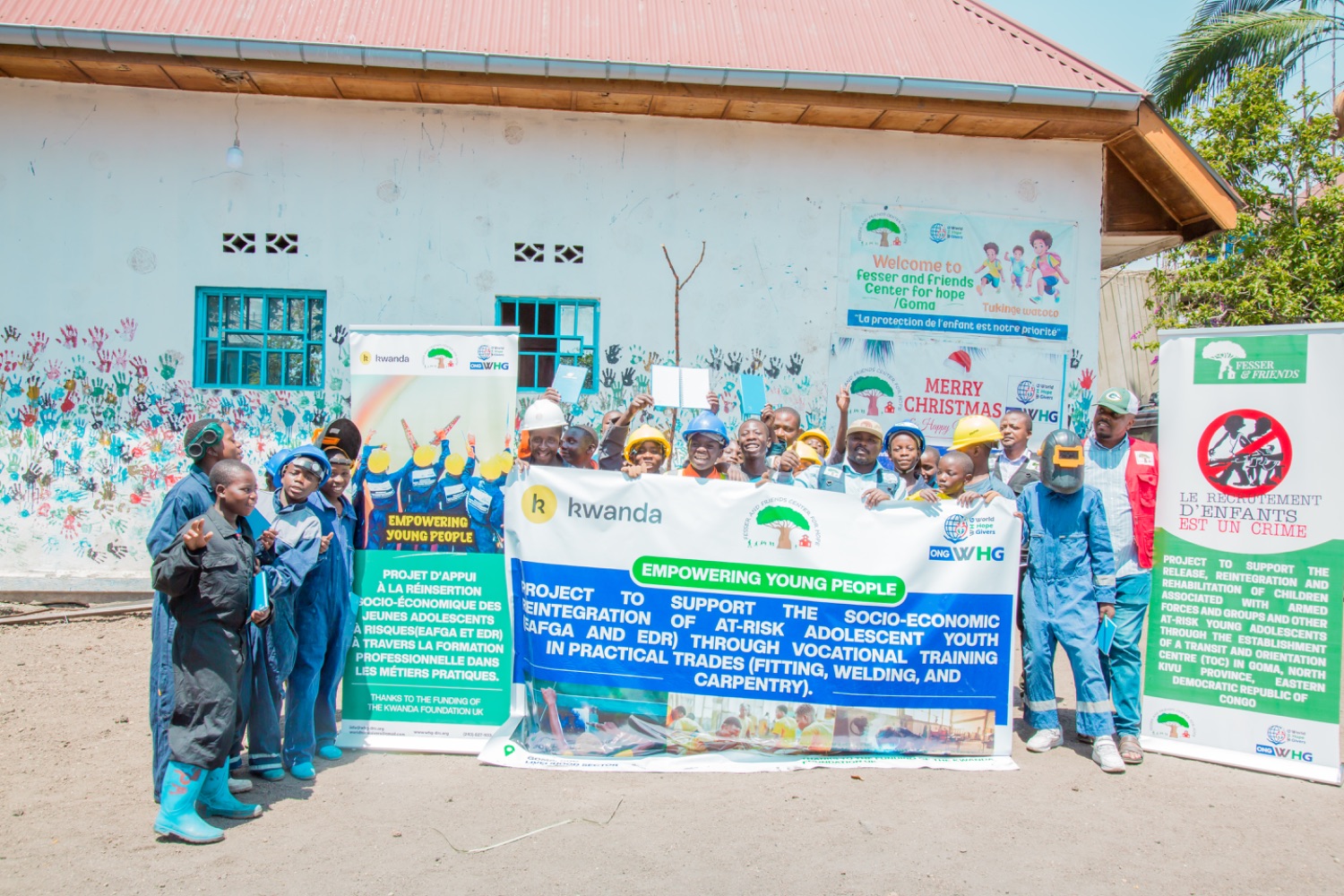
On 6 January, we brought trainers and teachers together to confirm working agreements and revise training schedules. We bought welding torches, hammers, saws, chisels, measuring tools, and protective gear. On 15 January, we distributed these tools to 20 participants so they could begin their vocational training.
The materials and tools cost $2,688, funded by Kwanda. This covered welding and metalwork materials ($1,409) and carpentry materials ($,279). Teachers' payments for three months (U$480) and transportation of materials ($120) were covered by local partners Fesser and Friends and World Hope Givers. We have $642 remaining from the Kwanda grant for ongoing training needs.
With training underway, we will continue teaching vocational skills and mentoring. We plan to connect graduates with local apprenticeships and business opportunities over the coming months. We will also continue to provide counselling and mentorship for participants who need extra emotional support.
Activities:
Restarted project activities after the holidays on 6 January
Held a meeting with trainers and teachers and confirmed working agreements
Purchased vocational training materials
Distributed tools and materials to 20 participants on 15 January
Reminded everyone of project goals on skills development and earning income during the event
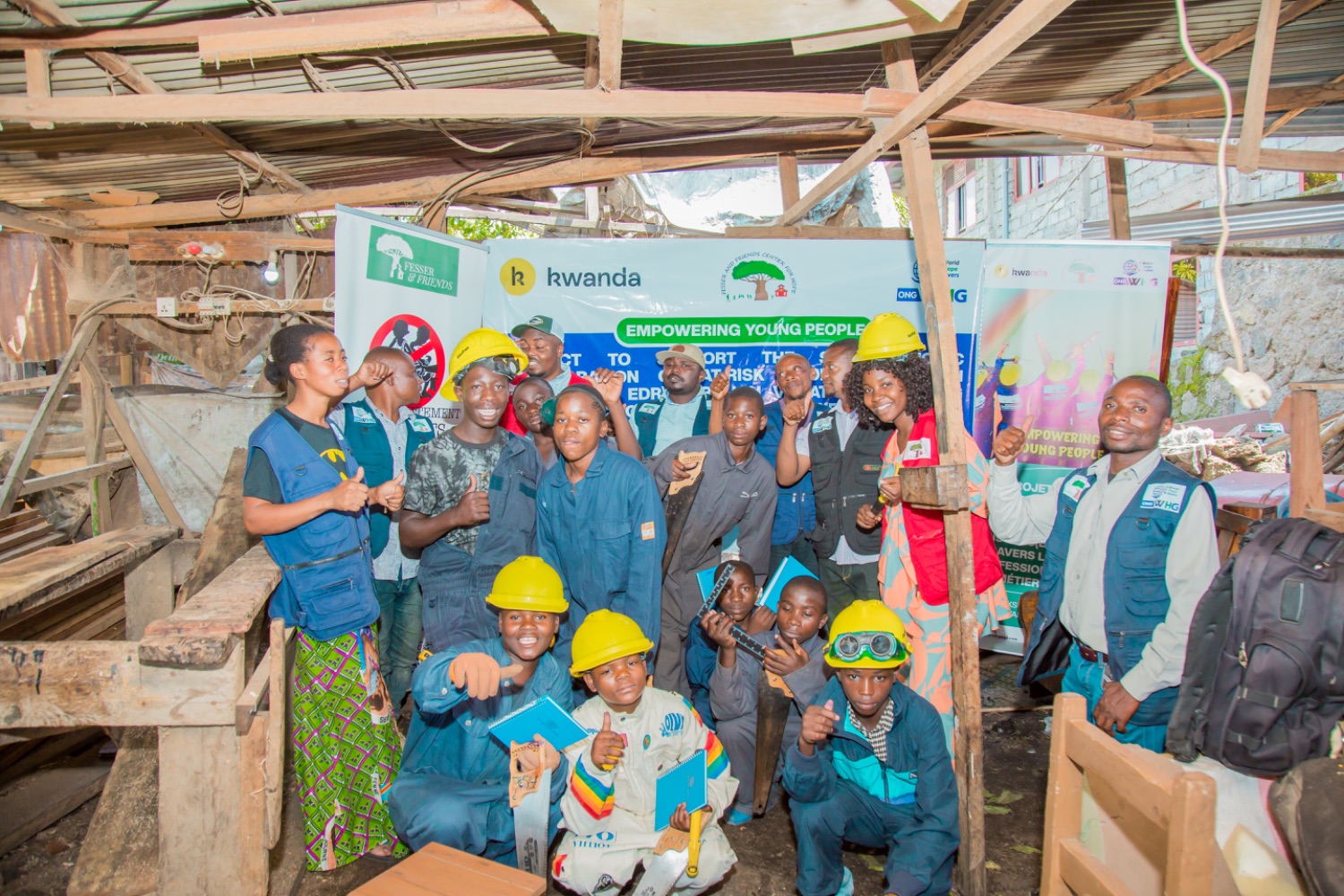
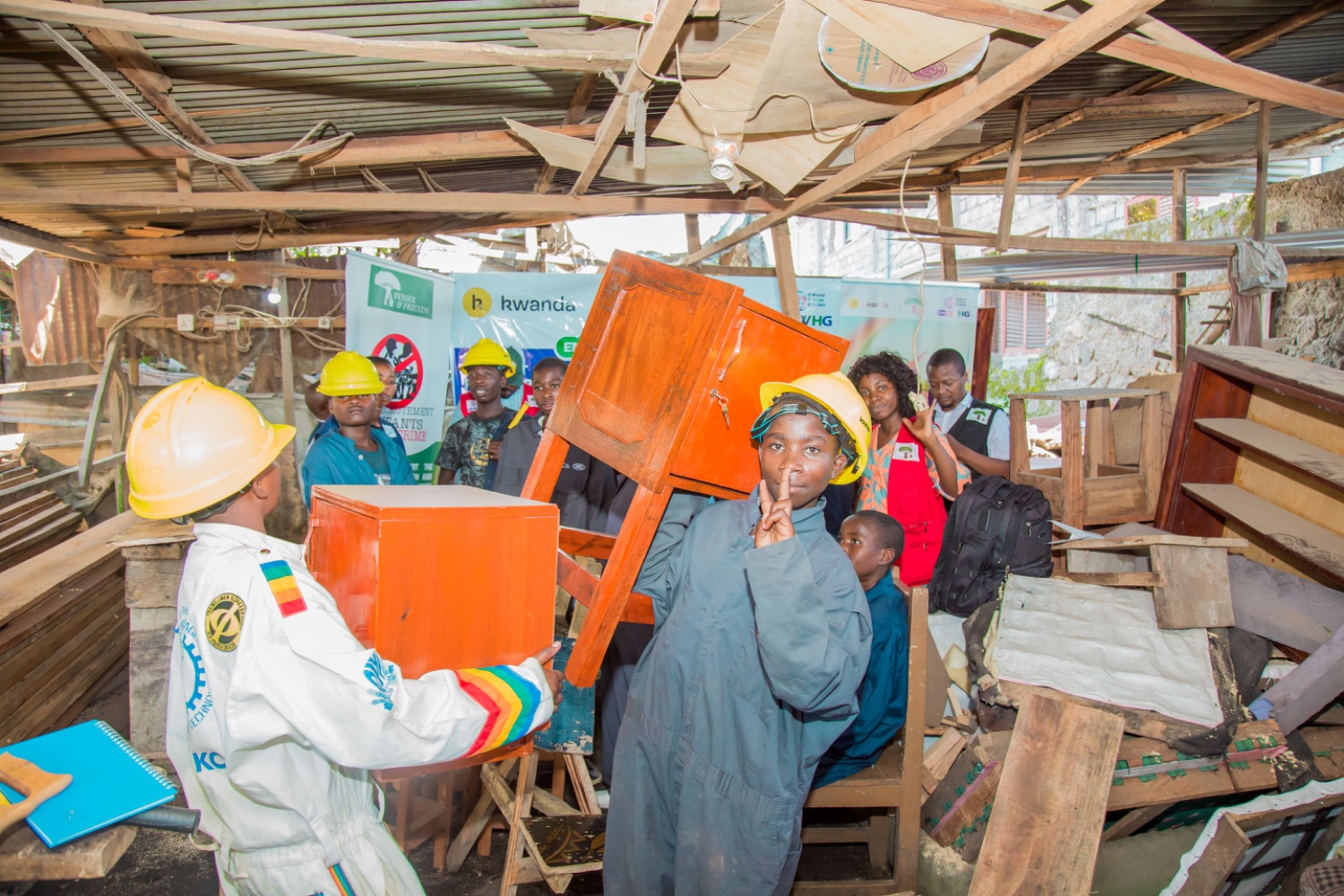
Shamuyiri J., a project participant, shared:
I am very happy to receive this support because it will help me become responsible for my life and not return to the armed group where I once believed I could find a future. Every day, I prayed to God to help me find meaningful work not as a child soldier, but as a man doing skilled manual work. Now I am hopeful. When I finish my training, I plan to return to my village in Masisi to find my mother and support her with food. I will also encourage other child soldiers to leave the bush and seek opportunities like this where they can learn a trade or return to school because staying in armed groups is a waste of time. I thank WHG and its partners, Kwanda and Fesser and Friends, for giving us new hope through this programme.

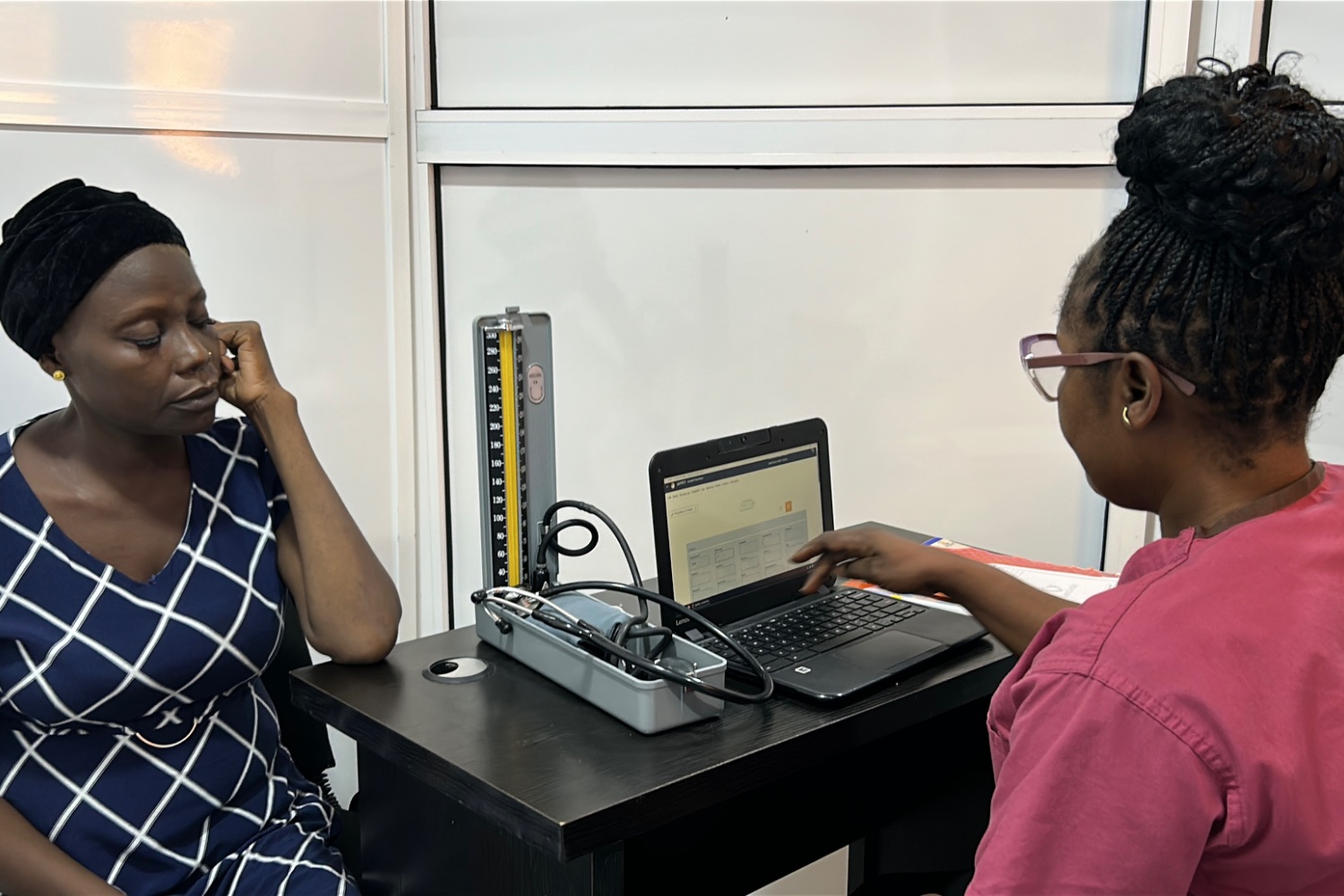
412 patients receive free healthcare at Care Circle in Surulere, Lagos
During this two-month period, we provided free healthcare services to 412 patients, bringing the total number of patients served since launch to 843. Most patients had very low household incomes, averaging N10,819 (around $8) per month for a family of four, and nearly all were uninsured.
Malaria remained the most common condition treated, followed by hypertension and other common illnesses such as respiratory infections, diarrhoea, skin rashes, and body pain. Over half of patients seen during this period were first-time visitors, while 42% were returning patients.
Patient feedback suggests that Care Circle is becoming a trusted source of care within the community. In post-visit surveys, 98% of patients rated the care they received as excellent, with the remaining patients rating it as good. Patients also travelled from surrounding neighbourhoods, sometimes for up to two hours, to access affordable healthcare.
In the last 2 months, we spent $866 ($407 in November, and $459 in December) to provide care to 421 people at Care Circle, including on medications, staff salaries (2 months) and Christmas bonuses!
As Care Circle continues to grow, the team will focus on maintaining quality care while reaching more underserved households in Surulere and nearby communities.
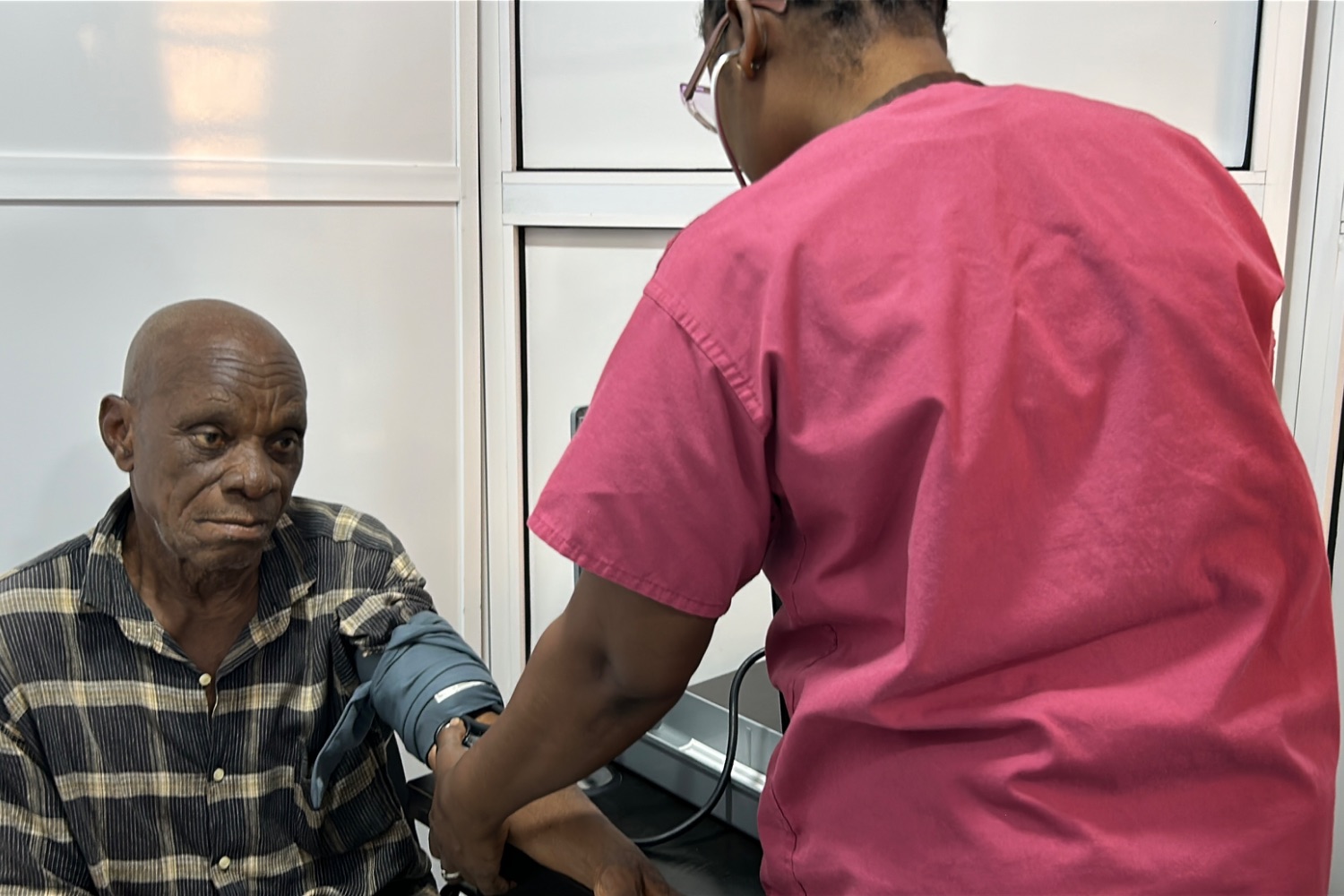
Activities:
Provided free primary healthcare services to 412 patients in November and December
Diagnosed and treated malaria, hypertension, and other common illnesses
Served predominantly uninsured patients from low-income households
Collected post-visit patient feedback to assess quality of care
Delivered care to patients travelling up to 20 km from surrounding communities

20 scholars in Cameroon begin digital entrepreneurship training alongside dry season farm preparation
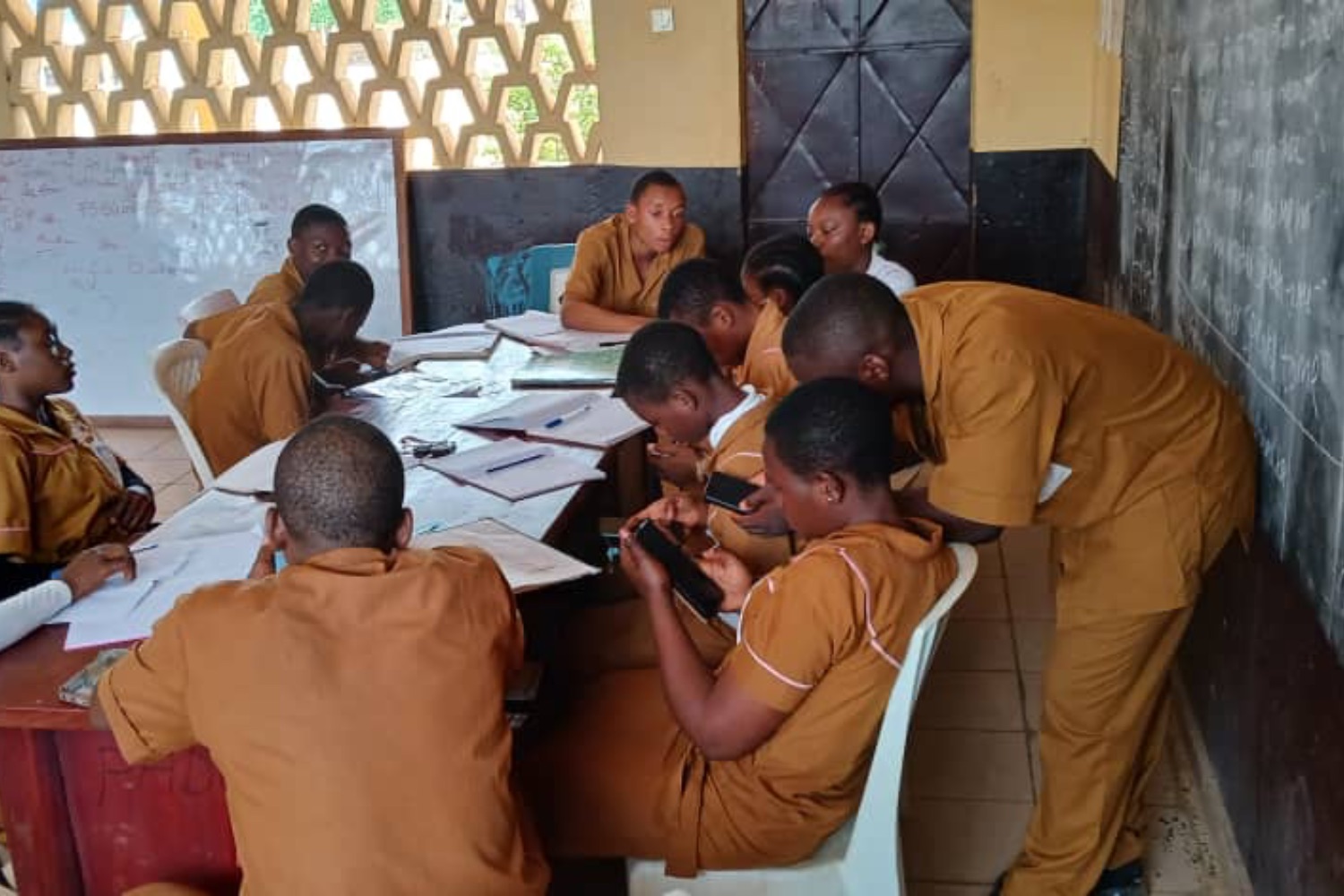
We successfully registered all 20 scholars on the Enterprise Adventure app, starting the final three months of the programme where they'll each design a business plan. Alongside this, we continued intensive fieldwork to stay ahead of the dry season, with an early-morning watering schedule for 100 ridges and preparing the nursery for spinach, huckleberry, and other vegetable seeds. Despite limited access to smartphones and slow internet connectivity, scholars progressed by sharing devices and supporting one another through peer mentoring.
This phase has strengthened the scholars’ confidence as they begin to see themselves not only as farmers, but as entrepreneurs connected to a wider global community. Early work with digital tools is helping them shape business ideas that link food production, soil restoration, and local food security. With graduation three months away, we'll continue digital training and one-on-one mentorship to ensure every scholar completes a practical, launch-ready business plan.
We spent 68,000 XAF this period: 35,000 XAF on daily meals for the scholars during fieldwork and training, 15,000 XAF on seeds for the nursery, 10,000 XAF on internet data for the Enterprise Adventure app, and 8,000 XAF on transport for manure and tools.
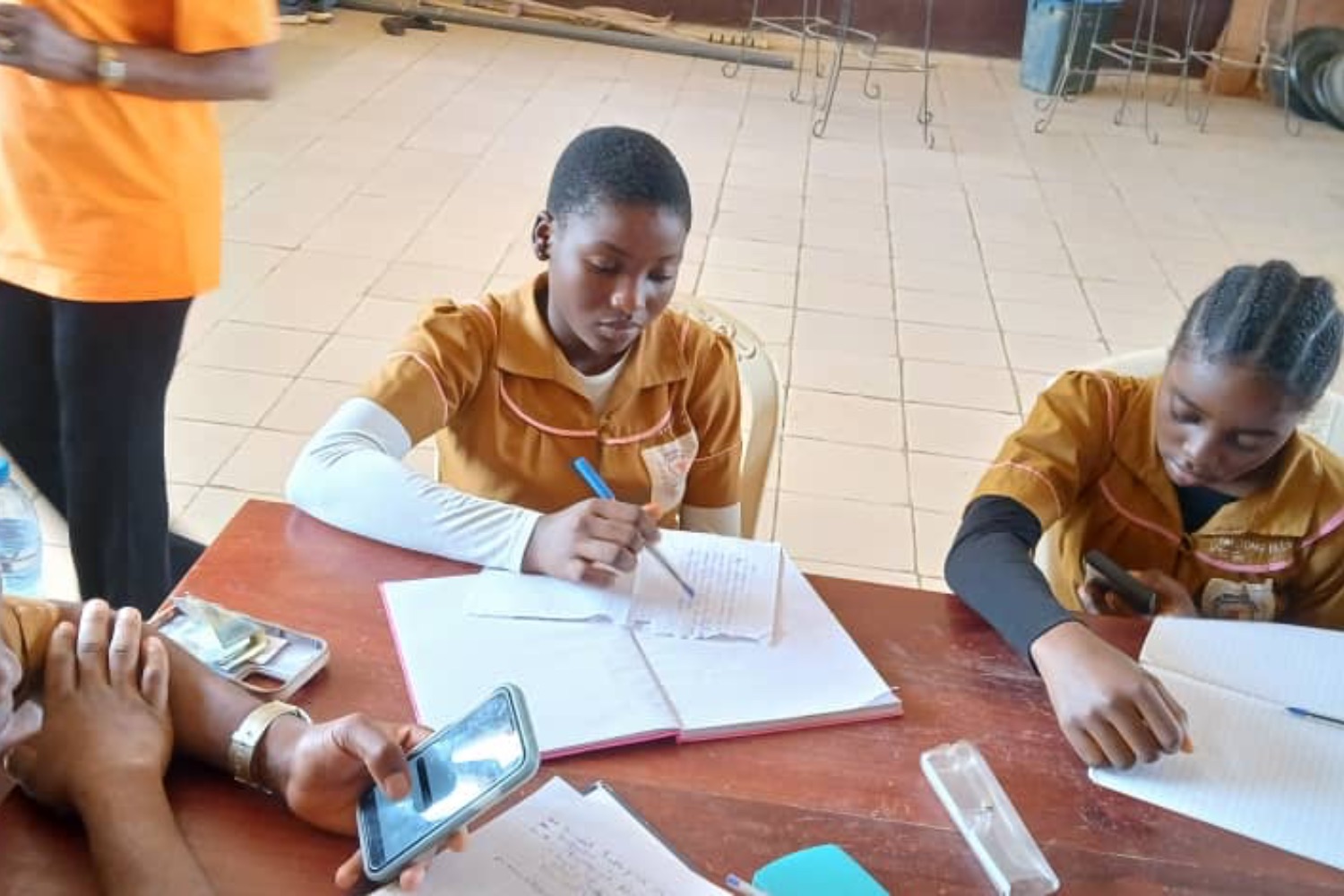
Registered 20 scholars on the Enterprise Adventure app to begin digital entrepreneurship training
Maintained a daily early-morning watering schedule for 100 ridges during the dry season
Prepared nursery beds and organic inputs for spinach, huckleberry, and vegetable seeds
Conducted one-on-one business mentorship sessions
Used mulching and adjusted work hours to protect soil health and scholars' wellbeing
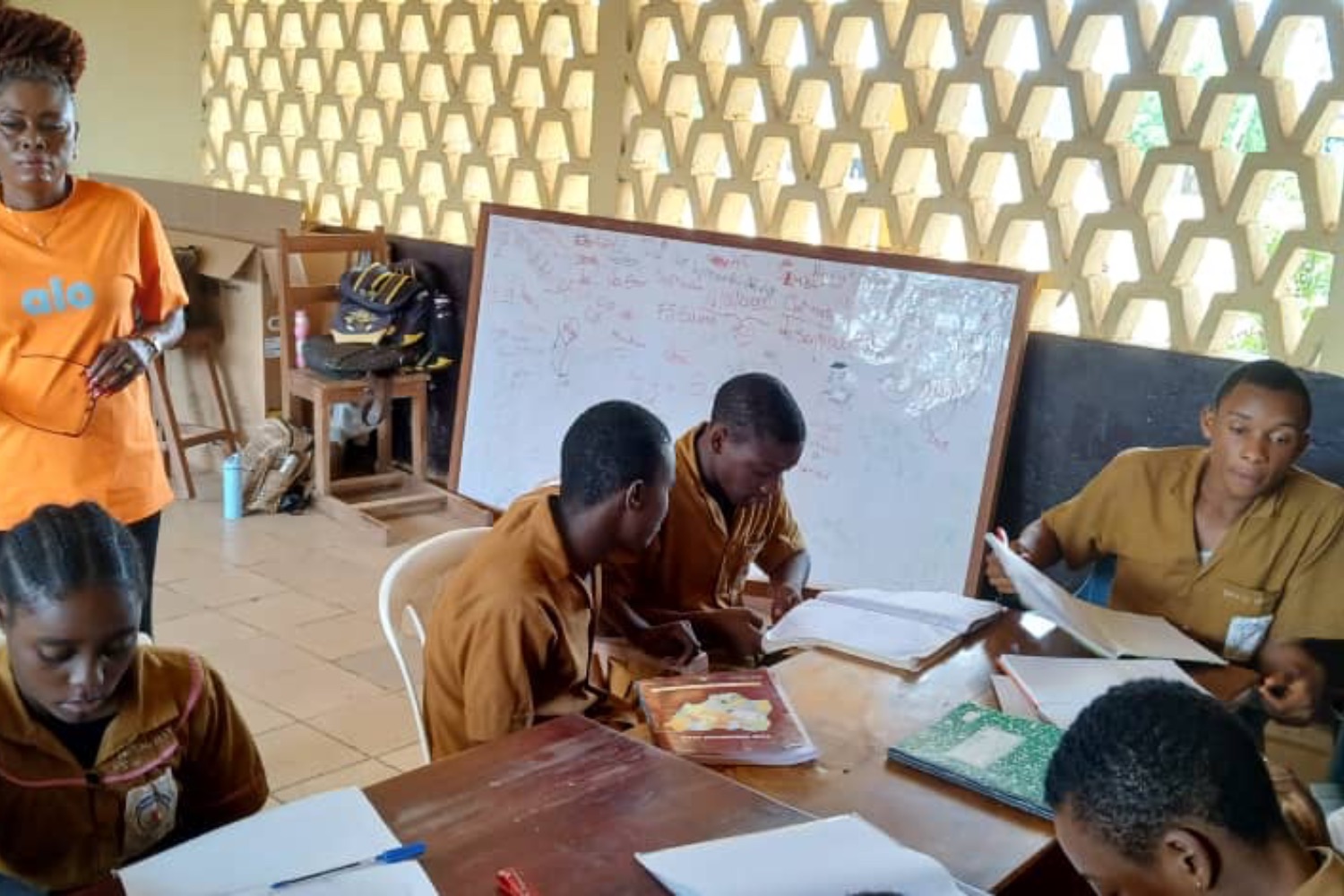
Maliki, a project scholar, shared:
I used to think my world had become very small because of the things I lost, but since signing up for the Enterprise Adventure, I feel like I am standing on a big stage. Seeing students from other schools across the world doing the same missions as me makes me feel powerful. I’m not just growing spinach; I am designing a business that the whole world can see, and for the first time, I can imagine myself as a boss, not just a survivor.
Safe City clinic supports 300 patients during quieter December in Oworoshoki
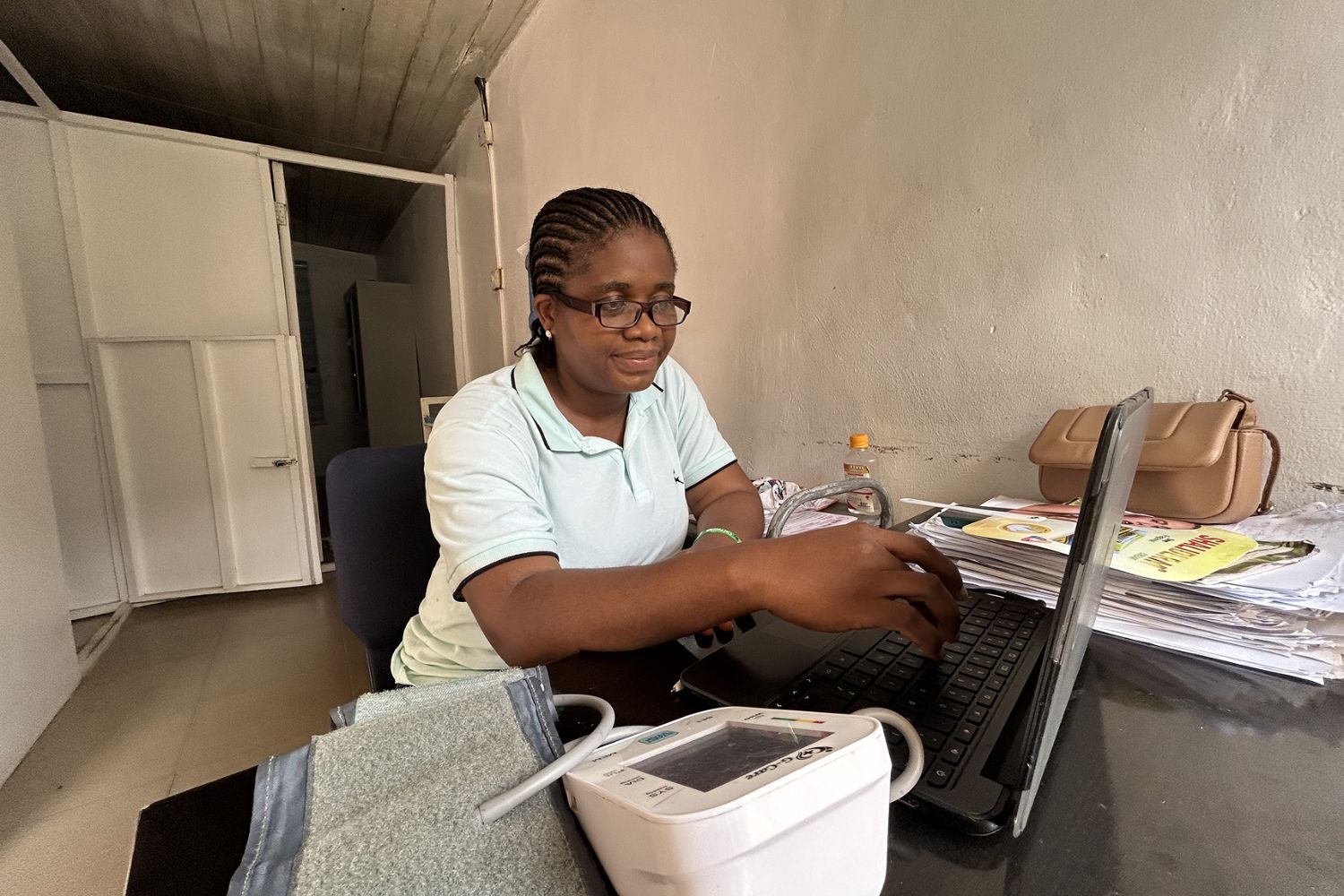
In December, as is common during the Christmas season, many Oworoshoki residents travelled from Lagos to their hometowns, leaving the area quieter than usual. Even in the calm, Safe City remained open for those who needed care, and over 300 sick community members came in for support. This brings Safe City’s total impact to 6,575 people since launch.
This month, 31% of patients were new and 69% were returning, showing how deeply Safe City is loved and how firmly it has become part of daily life in Oworoshoki. The average monthly income of patients in December was just N11,067 ($8), highlighting the continued importance of accessible, life-saving care for our community.
Activities:
Provided primary health care services to over 300 community members throughout December
Treated conditions including malaria, respiratory infections, and minor injuries
Recorded patient data showing 31% new and 69% returning patients, with average monthly income of ₦11,067
Recruited and onboarded Nurse Jennifer through a competitive selection process with over 40 candidates
Completed AHA approach training and induction at other clinics for the new nurse
In the coming months, we will continue delivering consistent, affordable care while supporting Nurse Jennifer to fully settle into her role and further strengthen service delivery at the clinic.
School Enterprise launched with 20 scholars cultivating 1 hectare in Bamenda
In the last two weeks, Wandusoa hit a major milestone by enrolling five new scholars, bringing us to a full cohort of 20 internally displaced young women. We officially launched our School Enterprise, moving from theory into active cultivation of organic spinach, huckleberry, and garden eggs. Despite the peak dry season, the team cleared and prepared one hectare of degraded land, constructing specialised ridges designed to retain moisture. We also integrated our new Accountant to manage finances, including bulk food purchases and startup kits, ensuring professional transparency as we transition from enrolment into full-scale production and soil restoration.
Activities:
Enrolled five additional scholars to reach a full cohort of 20
Conducted a re-orientation assembly to rebuild momentum after the holiday break
Cleared and tilled one hectare of degraded land near the campus
Constructed over 100 specialised ridges to retain moisture during the dry season
Launched cultivation of spinach, huckleberry, and garden eggs using off-season techniques
Shifted fieldwork to early mornings to mitigate heat exhaustion
Implemented mulching and water-rationing to protect soil and crops
Integrated a new Accountant to manage purchases and startup kit expenses
In the coming weeks, we’ll begin tracking crop growth and preparing for our first market harvest.
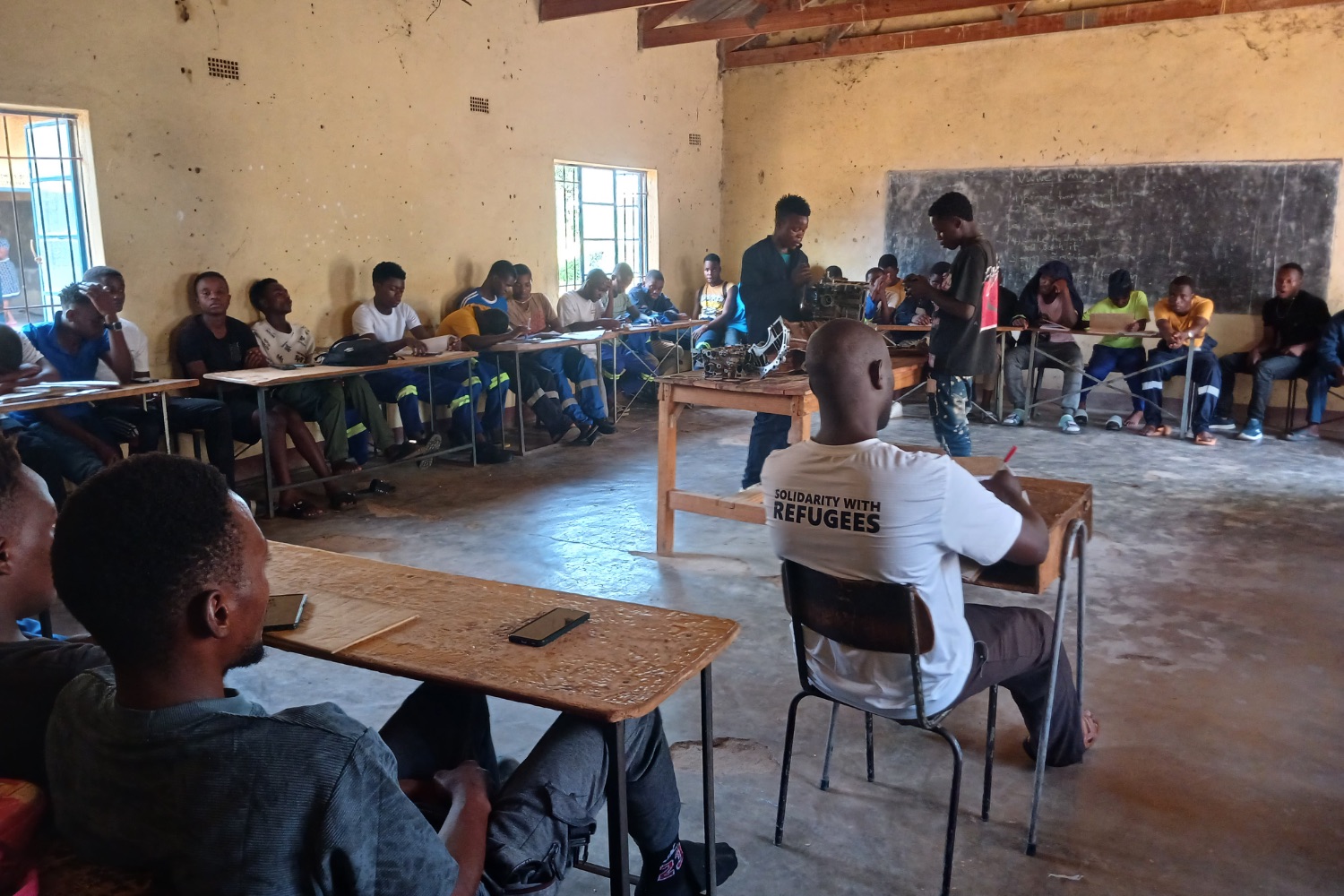
Departmental workshops begin at Chipinge College with new machinery for students
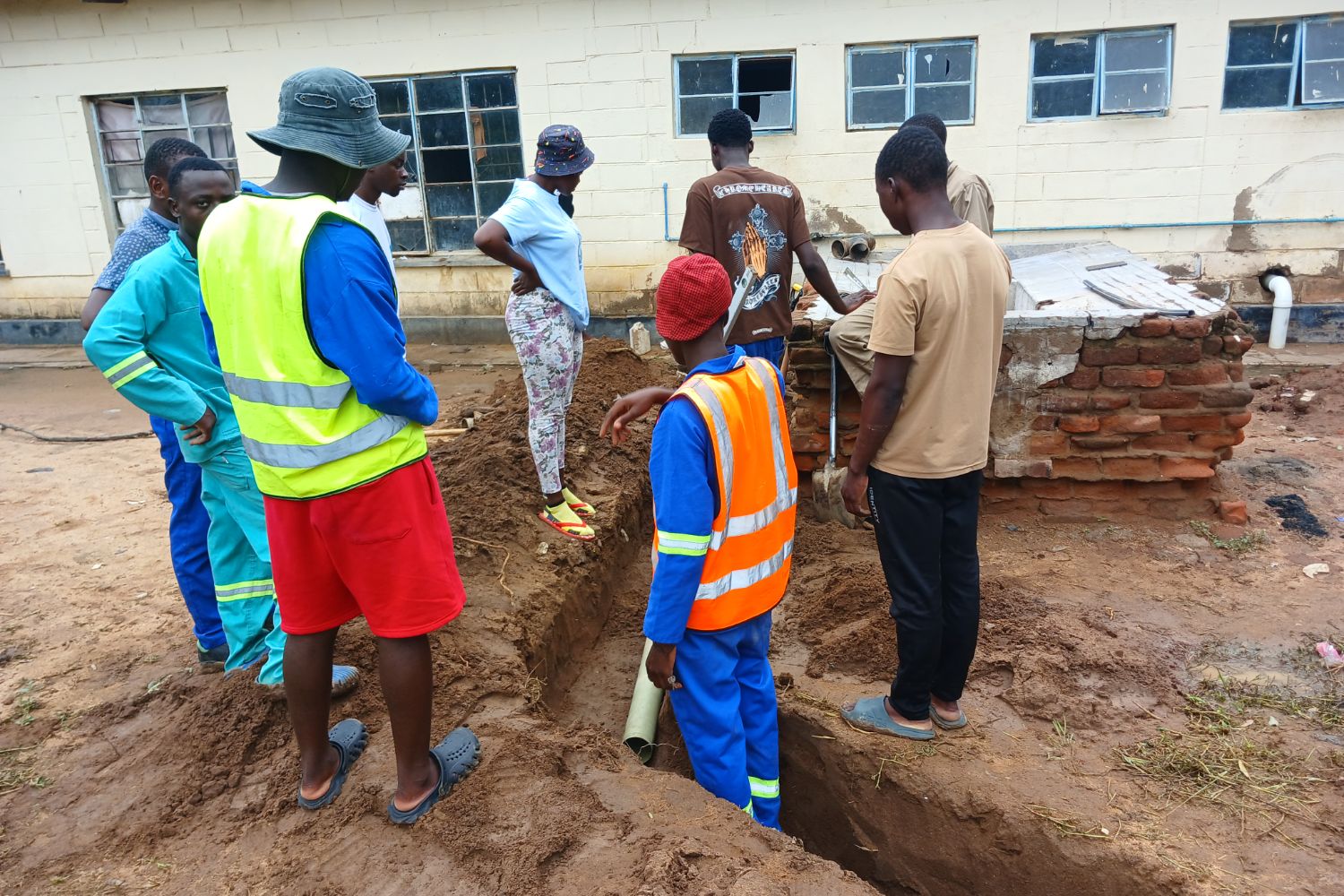
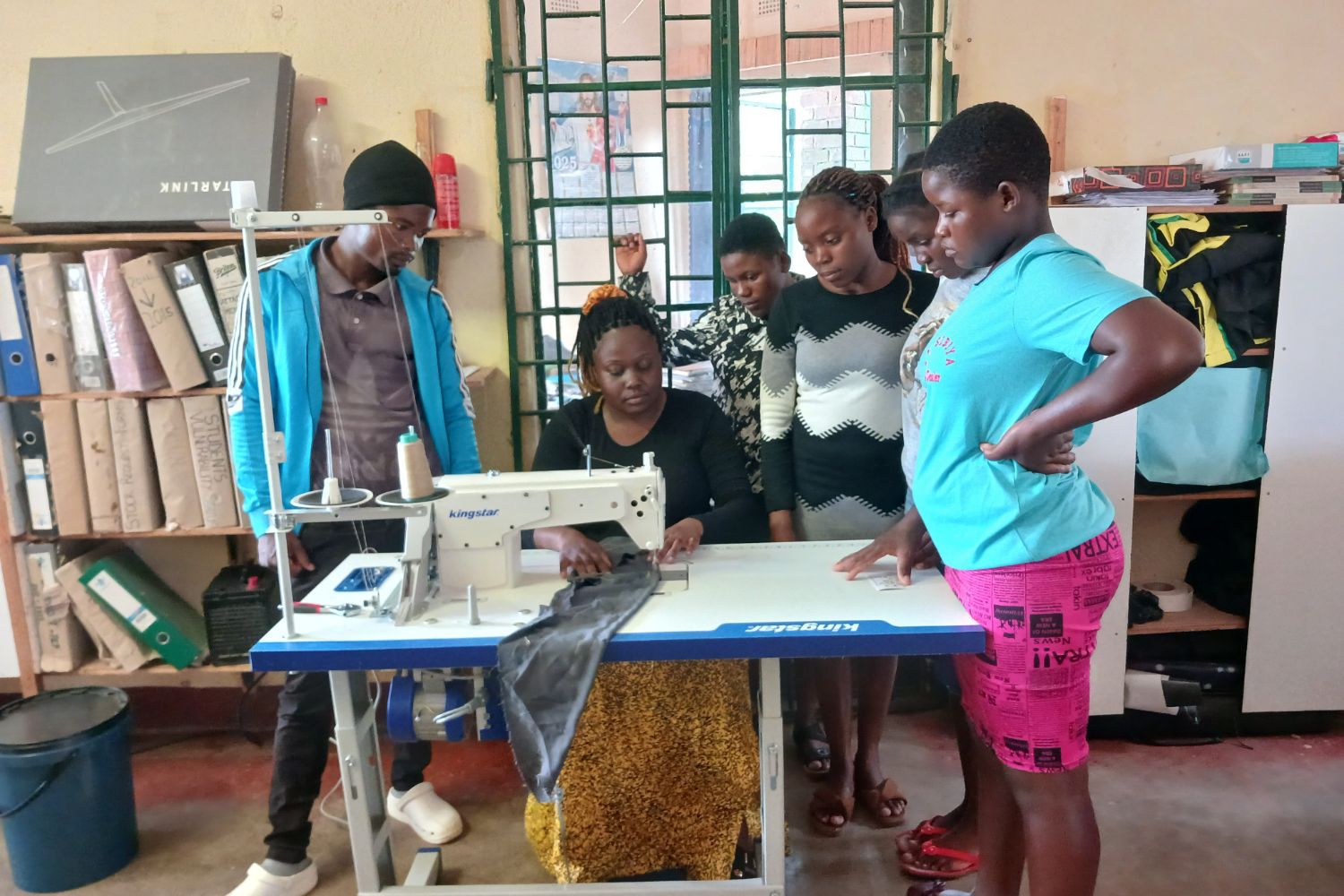
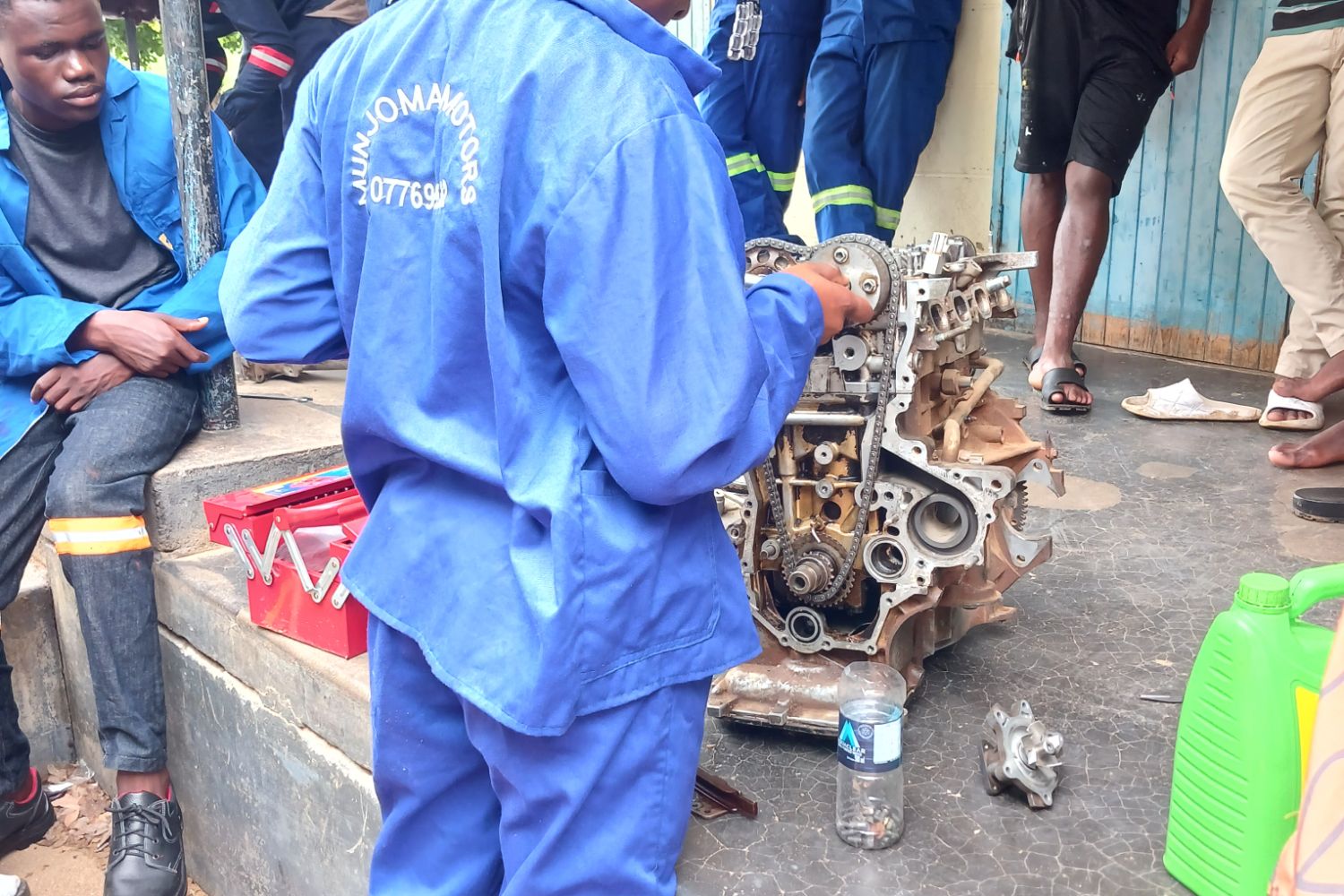
We resumed lessons on 7 January 2026, with departments fully engaged in hands-on classes. The new tools and materials provided by Kwanda are already in use across various workshops. Several departments have shared videos showcasing this progress.
Resumed first semester lessons on 7 January 2026
Conducted one-day departmental workshops
Delivered departmental trainings on machinery and tool usage
Provided detailed tutor-led instruction on equipment handling
Shared training progress videos across departmental platforms
We are now focused on sourcing additional tools and materials to expand training access and improve outcomes for more students.
I greatly appreciate the donation from your organisation. It has motivated us students and improved the standard of our training.