What we’re  building together
Q3 2026 report
Begin report

Raised by villagers this quarter
Where project money went
On finances
Villagers contributed $64,776 this quarter, before payment fees and refunds. We spent $15,604 on projects, mostly a new healthcare clinic in Lagos and industrial sewing stations in Luanda. Smaller payments covered local teams' administrative and reporting work.
On the running costs side, we spent $31,910. Staff and contractors accounted for $16,506, with the rest going towards advertising, software, payment fees and other running costs.
As has been the case so far, our running costs are still higher than our project spending, but we're working to change that. Our operational costs are holding steady, so with more coming in regularly, we can put a greater share of the village's money into projects.
We also decided to build an emergency reserve for projects. Our accounts show a surplus of $17,573 after project spending and running costs. We're checking outstanding commitments before confirming how much of that can be set aside.
Our official Q3 financial statements
PDFPeople supported this quarter
Live project activity
On impact
The village invested $15,604 across projects in five countries this quarter. Most went into health: $8,495 in Nigeria, mainly towards the third free clinic in Lagos.
Livelihoods came next, with $6,617 for eight industrial sewing stations and shared equipment in Angola. The remaining $492 went to administrative and reporting support for our education projects in Kenya, Haiti and Ghana.
Meanwhile, projects funded earlier kept going. The two existing clinics recorded 1,881 visits in July and August, 477 girls received reusable period kits during the quarter, and 47 students attended the robotics camp in August. In Ghana, the latest field report confirms that all ten classroom libraries we funded this year are installed and stocked.
Those clinic visits, kit recipients and robotics students add up to the 2,405 shown above. Some clinic visits are repeat visits, so that isn't a count of different people.
In Nigeria
)
)
Safe City Clinic
- 1,034
- 9,594
Safe City is a village-funded healthcare clinic in Oworoshoki, Lagos. The clinic provides free consultations, treatment and medication.
The clinic recorded 502 visits in July, then 532 in August, bringing the total since opening to 9,594 through August. Nearly half of August's visits, 246, were from people coming for the first time.
Most patients were women and girls. Malaria was the illness treated most often, followed by respiratory infections and high blood pressure.
)
)
Care Circle Clinic
- 847
- 3,482
Our second clinic project in Lagos is Care Circle, in Itire-Surulere, where care is also free. Malaria and high blood pressure were among the conditions the nurses treated most often.
July was its busiest month since opening, with 418 visits. Then August passed that with 429, including 162 visits from first-time patients. That brings the clinic's total to 3,482 visits through August.
)
TOP Community Health Centre
In Onosa, our local partner is turning a donated space into the third free clinic funded by the village, with rooms for consultations, observation and a pharmacy. The community chose its name: TOP Community Health Centre.
The old plumbing is out and new walls are going up. The first quotes for blockwork were three to five times the budget, so the team looked further and chose the builders who worked on Safe City, our first clinic project. There's still work to do before it can open.
In Kenya
)
)
Local production of reusable period kits
- 477
- 2,765
In Kenya, we've been funding a local production line for reusable period kits since 2021. Twelve mothers are paid to cut, sew and assemble the kits for schoolgirls.
This quarter, 477 girls received kits, bringing the total since 2021 to 2,765. The kits can be washed and used again, and each distribution includes practical lessons on menstrual health and tracking periods.
The hold-up now is a delayed shipment of waterproof fabric for the next batch. The mothers have finished liners and drawstring bags and cut the other fabric, but can't finish the shields and purses until it arrives.
In Haiti
)
)
A robotics camp for hands-on learning
- 47
- 61
In Port-au-Prince, Haiti, we fund an annual robotics camp where local instructors teach students to build and program their own robots.
In August, 47 students took part across three sessions. An earlier group of 14 finished in early July, after starting in June, bringing the year's total to 61. That first group worked in seven teams to build robots for a competition.
It hasn't been an easy summer, though. Gang activity disrupted the school calendar and shortened the holiday, making it harder to fill the workshops and fit in the planned sessions. The team is considering weekend sessions around school.
In Ghana
)
Ten small classroom libraries
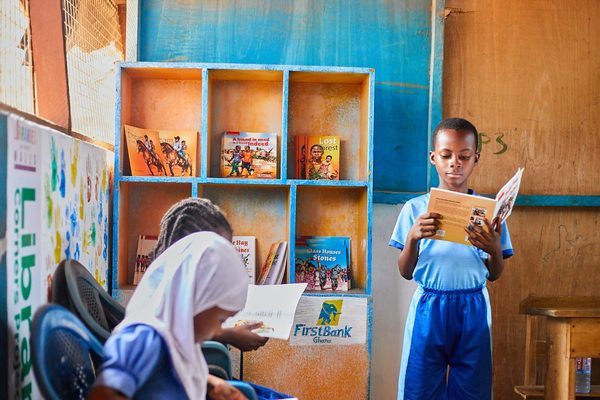
In Ghana, the village has funded ten small classroom libraries where children can choose books and teachers can use them in lessons. The local team set them up with help from teachers, parents and community members.
All ten are now installed and stocked across Agomeda, Manya and Asebi schools. The final four went into Asebi school, where an author also joined the children for a reading session and donated some of her own books.
In Angola
)
)
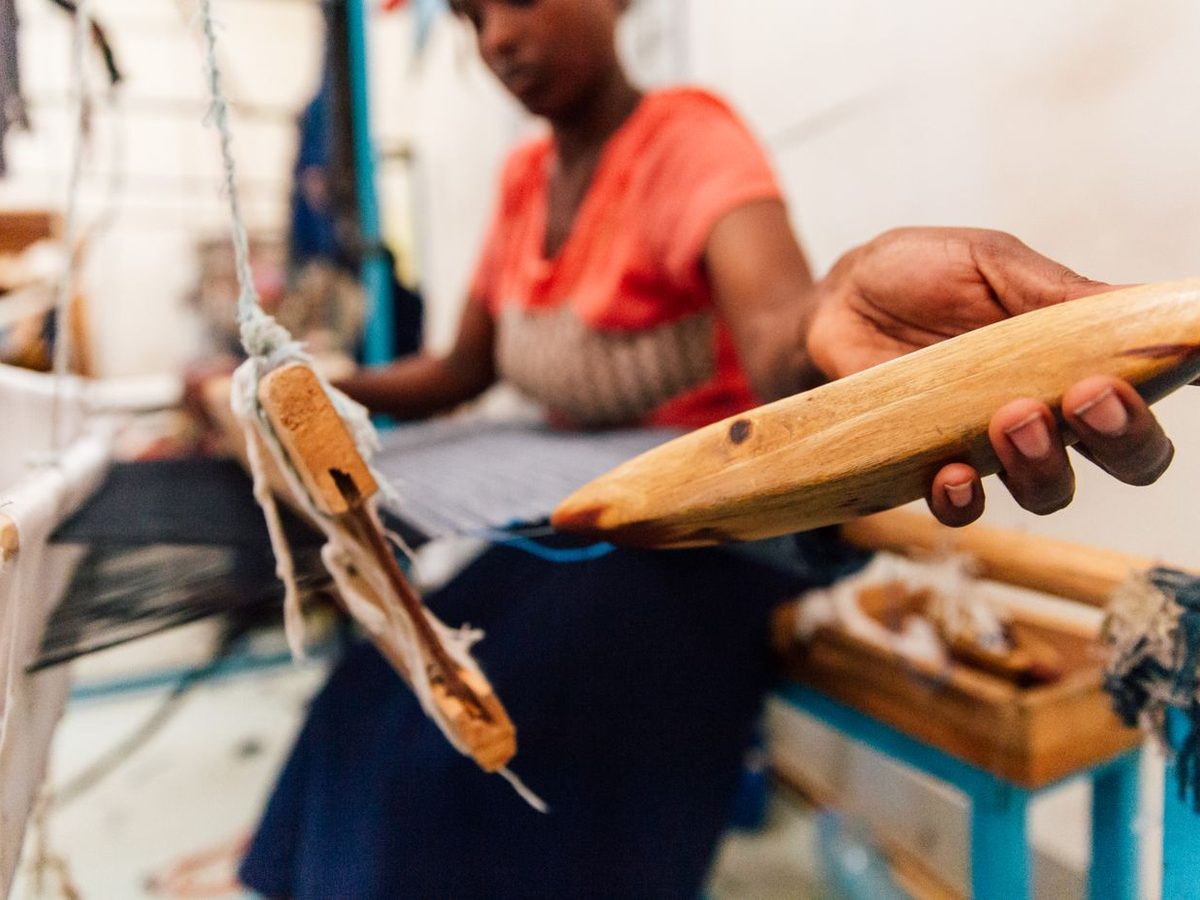
Eight industrial sewing stations
In Luanda, the village voted to put $6,617 towards eight industrial sewing stations and shared equipment. Women learning to sew will be able to practise and produce their work on professional equipment that stays for the next group.
The local team has received the money, found suppliers and reviewed the budget. The machines haven't been bought yet; purchasing and installing them come next.
What's ahead
I'm really looking forward to our third clinic opening in Onosa, Lagos. Once it's open, we'll pause expansion in Nigeria and work closely with our local partners to help all three clinics become self-sustaining, so they can keep providing care for years to come.
That thought of what will still be there years from now is what excites me about the projects we're moving towards. More of the village's money will go into physical assets, like libraries and production equipment, that local communities and entrepreneurs can keep using and building on.
To fund more of these, we'll need to keep growing the village. Our next key target is $26,468 in monthly income. If we keep running costs steady, we expect that to let us put more into projects than we spend running Kwanda.
And with things getting smoother behind the scenes, there's more room to focus on that growth. Over the rest of this year and through 2027, we're aiming to get more help with the day-to-day work so I can spend most of my time growing our community. Bringing volunteers in with clear roles and proper support will be part of that, as will getting Kwanda in front of more people.
Over time, we'd love that to mean someone in the African diaspora thinks of Kwanda first when they want to contribute to a community they care about. Or a friend says, 'Have you heard of Kwanda?' I'm excited to see how far we can take this together.
Thank you for the money, time and ideas you put into Kwanda, and for being part of the village.
Jermaine
How you can help
However you want to give, it goes to the same place.
Join the village
Give monthly alongside the rest of the village. Vote on every project and follow the money on a public ledger.
Join the village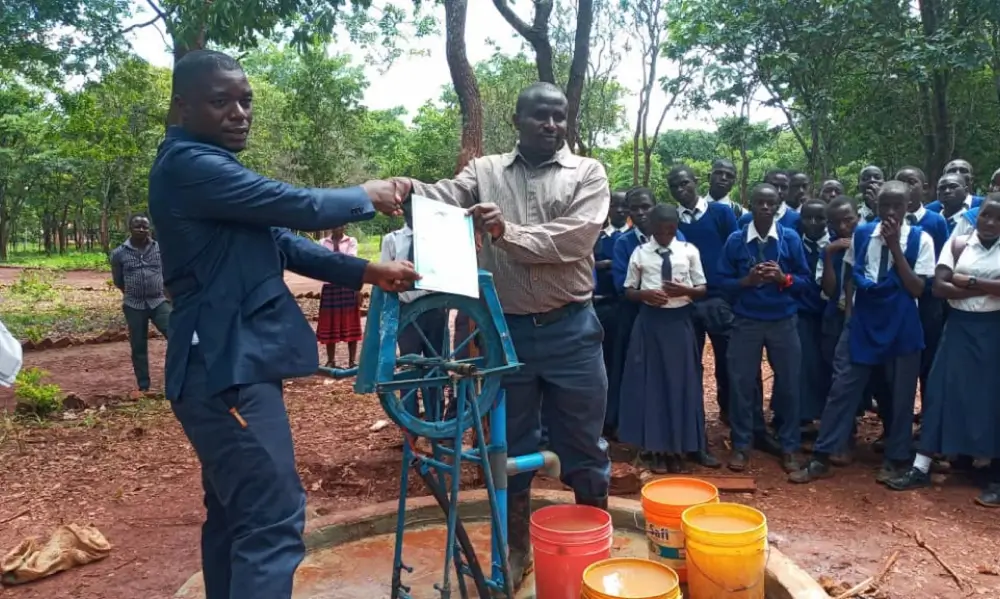
Give once
A one-off gift, no account needed. Tax-deductible in the US, made through Every.org.
Give once (opens in a new tab)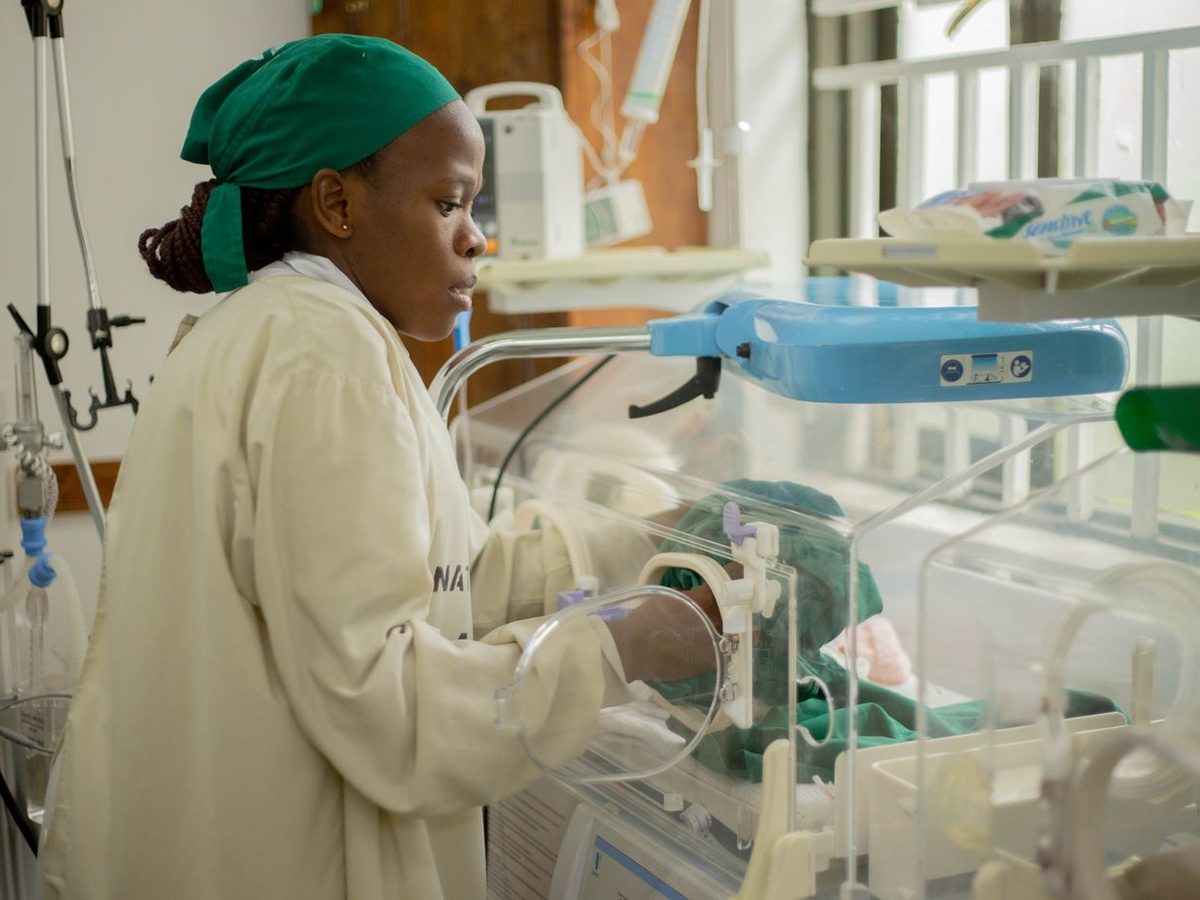
Give through work
Every.org in the US, Benevity in the UK, and a route to take to your employer if they run neither. Many employers match.
See your options
Give stocks
Give appreciated shares without selling them first. Every.org receives and liquidates them. Tax-deductible in the US.
Give stocks (opens in a new tab)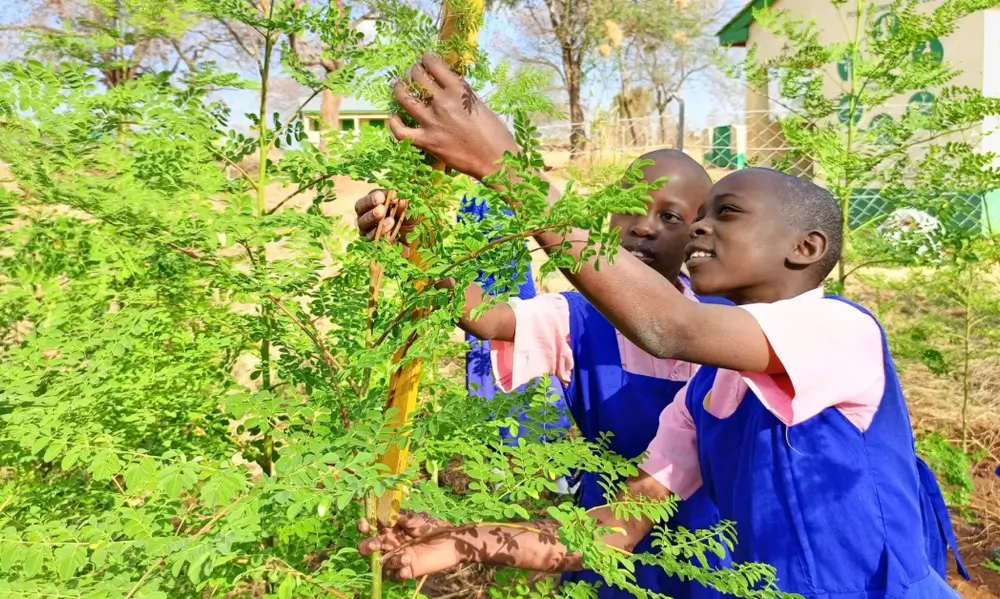
Give crypto
Over 90 tokens through Every.org, converted to cash on receipt. Tax-deductible in the US.
Give crypto (opens in a new tab)
Give from a DAF
Recommend a grant to Kwanda from a donor-advised fund you already hold.
Recommend a grant (opens in a new tab)
Jermaine
Founder, Kwanda
Hey there, and welcome to our Q3 impact report. I'm Jermaine, the founder of Kwanda.
If you're new here, Kwanda is a community of people who pool money each month and vote on which projects to fund across Africa and the Caribbean. We're increasingly investing in things local communities and entrepreneurs can keep using, like clinics, libraries and production equipment. We call our contributors villagers.
The report below covers July to September: where the village's money went, what happened in our projects and what's coming next.
The headline news is that we're building a third healthcare clinic in Lagos and eight industrial sewing stations in Luanda. We also welcomed 187 new villagers and invested $15,604 in projects over the quarter.