Updates

Safe City clinic supports 300 patients during quieter December in Oworoshoki
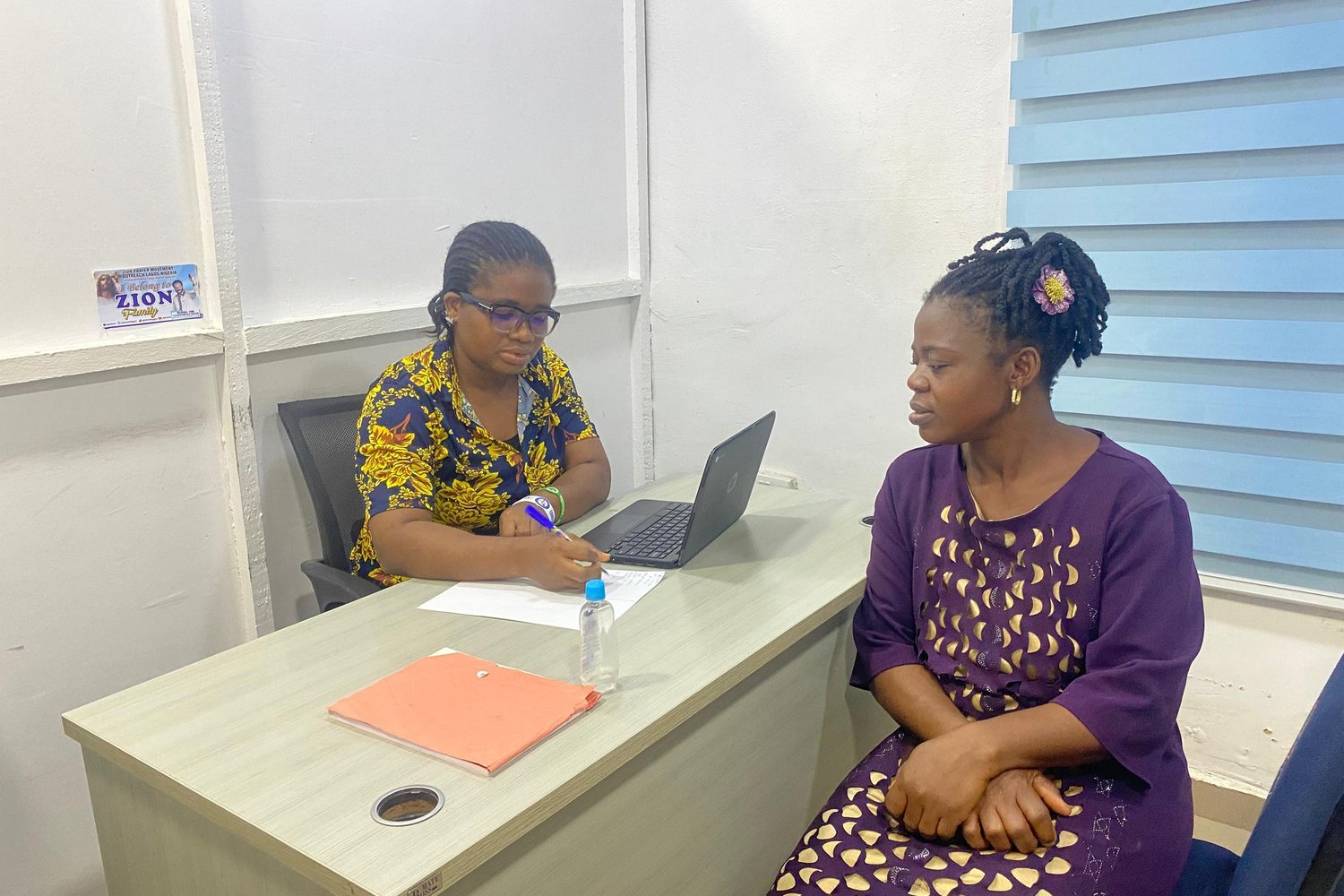
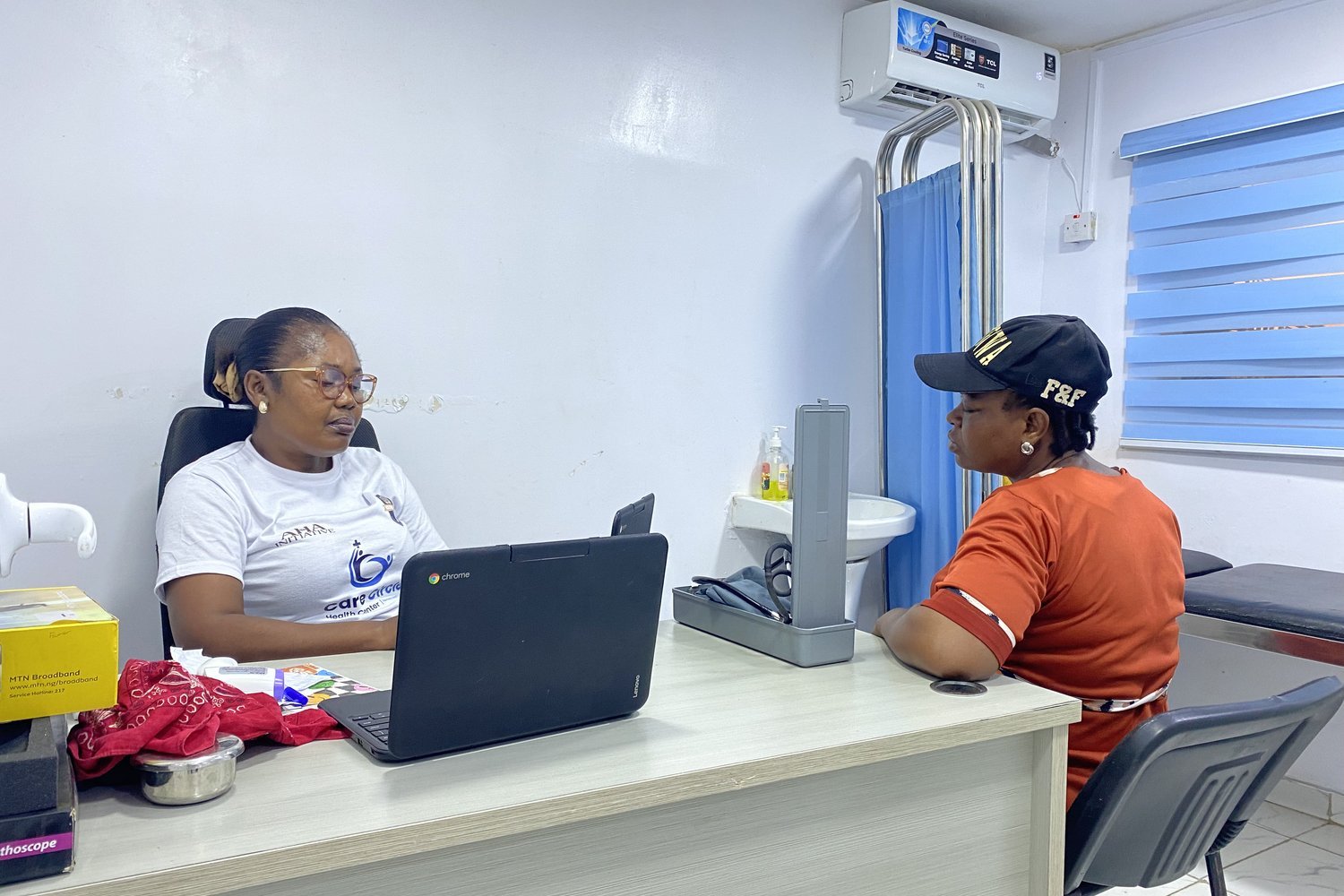
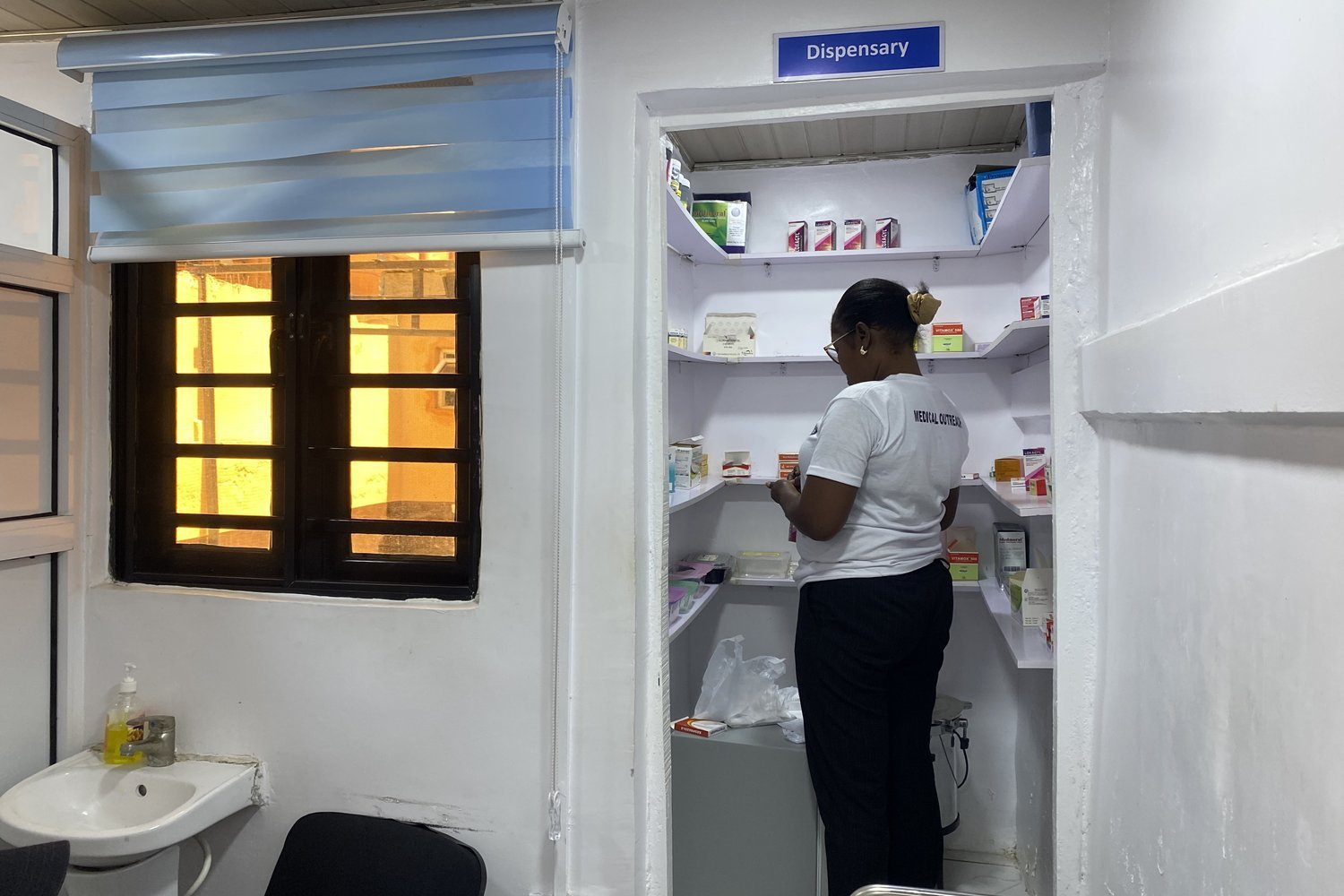
In December, as is common during the Christmas season, many Oworoshoki residents travelled from Lagos to their hometowns, leaving the area quieter than usual. Even in the calm, Safe City remained open for those who needed care, and over 300 sick community members came in for support. This brings Safe City’s total impact to 6,575 people since launch.
This month, 31% of patients were new and 69% were returning, showing how deeply Safe City is loved and how firmly it has become part of daily life in Oworoshoki. The average monthly income of patients in December was just N11,067 ($8), highlighting the continued importance of accessible, life-saving care for our community.
Activities:
Provided primary health care services to over 300 community members throughout December
Treated conditions including malaria, respiratory infections, and minor injuries
Recorded patient data showing 31% new and 69% returning patients, with average monthly income of ₦11,067
Recruited and onboarded Nurse Jennifer through a competitive selection process with over 40 candidates
Completed AHA approach training and induction at other clinics for the new nurse
In the coming months, we will continue delivering consistent, affordable care while supporting Nurse Jennifer to fully settle into her role and further strengthen service delivery at the clinic.

School Enterprise launched with 20 scholars cultivating 1 hectare in Bamenda
In the last two weeks, Wandusoa hit a major milestone by enrolling five new scholars, bringing us to a full cohort of 20 internally displaced young women. We officially launched our School Enterprise, moving from theory into active cultivation of organic spinach, huckleberry, and garden eggs. Despite the peak dry season, the team cleared and prepared one hectare of degraded land, constructing specialised ridges designed to retain moisture. We also integrated our new Accountant to manage finances, including bulk food purchases and startup kits, ensuring professional transparency as we transition from enrolment into full-scale production and soil restoration.
Activities:
Enrolled five additional scholars to reach a full cohort of 20
Conducted a re-orientation assembly to rebuild momentum after the holiday break
Cleared and tilled one hectare of degraded land near the campus
Constructed over 100 specialised ridges to retain moisture during the dry season
Launched cultivation of spinach, huckleberry, and garden eggs using off-season techniques
Shifted fieldwork to early mornings to mitigate heat exhaustion
Implemented mulching and water-rationing to protect soil and crops
Integrated a new Accountant to manage purchases and startup kit expenses
In the coming weeks, we’ll begin tracking crop growth and preparing for our first market harvest.

Departmental workshops begin at Chipinge College with new machinery for students
We resumed lessons on 7 January 2026, with departments fully engaged in hands-on classes. The new tools and materials provided by Kwanda are already in use across various workshops. Several departments have shared videos showcasing this progress.
Resumed first semester lessons on 7 January 2026
Conducted one-day departmental workshops
Delivered departmental trainings on machinery and tool usage
Provided detailed tutor-led instruction on equipment handling
Shared training progress videos across departmental platforms
We are now focused on sourcing additional tools and materials to expand training access and improve outcomes for more students.
I greatly appreciate the donation from your organisation. It has motivated us students and improved the standard of our training.

268 farmers complete community compost training in Sierra Leone
All six community compost training programmes supported through Reseed in Sierra Leone have been successfully completed. The final community, Makel, wrapped up their two-day workshop in November 2025 and received tools for their community cooperative.
The programme trained 268 farmers across six rural communities in Kigoma District: Kalangba, Masokoh, Rochain, Mapoli, Mafera, and Makel.
The training reached 268 farmers in total (116 male, 152 female), exceeding initial expectations. The team anticipated 35-40 participants per workshop on average, but actual attendance was significantly higher.
Comparing the 220 direct farmers from Phase 1 of the programme (seed distribution) against the final workshop attendance shows that an additional 48 farmers were included in the community compost training.
Community | Male | Female | Total |
Kalangba | 17 | 26 | 43 |
Masokoh | 23 | 24 | 47 |
Rochain | 18 | 35 | 53 |
Mapoli | 20 | 21 | 41 |
Mafera | 14 | 23 | 37 |
Makel | 24 | 23 | 47 |
Total | 116 | 152 | 268 |
Training curriculum
Each community participated in intensive two-day workshops covering:
Composting techniques and best practices
Hands-on practical sessions
Community cooperative management
Tool distribution for ongoing agricultural work
Farmers learned how to create high-quality compost from local materials, reducing their dependence on expensive chemical fertilizers while improving soil health and crop yields for their families.
With the completion of these trainings, all planned activities funded through this partnership have been successfully delivered. Reseed will continue monitoring the six communities using unrestricted funds from other sources to ensure composting practices are properly maintained and deliver long-term agricultural and economic benefits to participating families.

Students in Mfou submit business plan and prepare 0.5-acre pilot farm
This update covers student achievements at GBHS Mfou during a busy exam period as part of our Regenerative Agriculture School project.
Our student team finalised and submitted their 2025 School Enterprise Challenge business plan, incorporating revised sections on market research, financials, and impact metrics. They also secured the school canteen as the first buyer for their upcoming harvest. A 0.5-acre plot has been cleared and prepared for growing spinach and huckleberry.
Activities:
Finalised and submitted business plan for School Enterprise Challenge 2025
Updated business plan with market research, financial projections, and impact metrics
Secured school canteen as buyer for spinach and huckleberry harvest
Cleared and prepared 0.5-acre pilot plot for planting
Received first draft of Ecological Learning Centre design and revised for compliance
Designed WhatsApp campaign for January 2026
Guided students through peer reviews and expert consultations
Practised ICT and financial literacy by developing business plan summaries

Transport stipends boost attendance in Ella Africa literacy and internship programmes
Over the past two weeks, we have continued to run literacy sessions consistently, with strong attendance from the 29 women enrolled. Since we introduced transport stipends, attendance has increased to 85%, and women have been arriving more regularly and on time. Sessions during this period have been particularly engaging, with participants showing increased participation.
Activities:
Continued running literacy sessions three days a week
Maintained strong attendance from 29 women, reaching 85% attendance
Supported daily transport for five women in internship placements
Updated attendance registers and records
Prepared for final stipend distribution on 19 December

Safe City clinic in Oworoshoki reaches 6,268 people in first year
In just one year, Safe City has helped 6,268 people, around 2,000 more than our original target.
On 30 November 2024, Safe City opened its doors to the Oworoshoki community, offering free healthcare to people who were suffering and earning so little, they couldn’t afford care. Since then, we’ve welcomed patients of all ages, from one-year-olds to 89-year-olds. We’ve supported mothers and fathers with multiple children earning just $20/month or less, and thousands of children who made up over 30% of patients each month.
In November alone, we treated 595 people. Of these, 30% were new patients, 95% had no insurance, and visitors came from eight different communities. One patient travelled over 23km, almost an hour in Lagos traffic, to reach us. Even after a full year, Safe City continues to reach new neighbours, near and far, showing just how urgent the need for care remains.

New tools delivered to 8 training departments at Chipinge Vocational College in Zimbabwe
This update shares progress on strengthening practical training at our vocational centre, thanks to generous support from Kwanda.
We were able to purchase and deliver new tools and materials to eight departments: Cosmetology, Garment Making, Welding, Motor Vehicle Mechanics, Carpentry and Joinery, Brick and Block Laying, Plumbing and Drain Laying, and Computers. Everything has been registered and safely stored in our main storeroom, ready for use.
Activities:
Registered new equipment in each department’s control log
Added all items to the central assets register
Stored tools and materials securely in the main storeroom
Introduced students to the new equipment through tutor-led training
Held hands-on practice sessions in class
Shared updates with staff and students on current stock and remaining needs
We’re now exploring options for further support so that every student can train with the tools they need.

692 people receive free health care in Itire and Oworoshoki
After opening in the last week of September, Care Circle had its first full month of operations in October and helped 226 patients, with patients earning just an average of $9/month. This means that in the month of October alone, Kwanda helped to deliver free health care to almost 700 people (692 total) across Care Circle in Itire Surulere and Safe City in Oworoshoki, Nigeria.
Patients of all ages flocked in - with 4 one year olds being our youngest and an 88-year old Grandma the oldest. Out of the 226 patients helped in Care Circle, 14 patients were repeat patients from September!! It is so exciting as patients are now beginning to recognise that Care Circle is here to stay as their new health home in their community and coming back as repeat patients for follow-ups and spreading word to their neighbours.
Patients like Mrs Oge are also enjoying the new care! In Care Circle’s post-visit survey, 96% of patients rated the services received as “excellent”, and the remaining 4% as good!
Patients are spreading so rapidly to other communities near and far! Of particular note, a mom came in with her 3 kids to Care Circle (ages 4-6) from Ikotun, a community 20km away (this is about a 2 hr commute!!) to receive care from Care Circle. She stated “we hope this comes to our community soon.” Mrs Oge travelled 2 hours to visit Care Circles because no other means for affordable care was close to her and her kids in their home area.
Patients like Mrs Oge are also enjoying the new care! In Care Circle’s post-visit survey, 96% of patients rated the services received as “excellent”, and the remaining 4% as good!

Eight Chipinge College departments equipped with vocational training tools
We held a three-hour planning meeting with tutors and management to identify what each department needed. Each department submitted a priority list, and the college collected three quotations for every item before purchasing.
Convened a three-hour planning meeting with tutors and management
Reviewed equipment and material needs across eight departments
Agreed minimum practical training requirements and departmental budgets
Requested and reviewed three quotations for each item
Procured tools and consumable materials for eight vocational areas
Distributed equipment to departments for immediate use in lessons
Zvobgo Doreen a student in the cosmetology department said:
I am happy with the new equipment and materials we received as a department which will improve our training in practical work.
We will assess how the equipment is being used after the current semester ends in March 2026, gathering feedback from tutors and students to inform any additional procurement needs.